Your favorite foods' origins might surprise you! Learn how centuries of trade, conquest, and creativity have shaped what we eat today.
#Foodculture #foodhistory #foodcullturebites #food #FoodOriginshttps://foodculturebites.com/seven-food-origins-youll-never-guess/

(The earliest known version of ketchup originated in #China in the seventeenth century. The first ketchup was prepared from fermented anchovies, unlike the tomato ketchup that is made nowadays.)

#Ketchup comes from the #Hokkien #Chinese word, kê-tsiap (name of a sauce derived from fermented fish).

https://www.slurrp.com/article/mushroom-ketchup-the-secret-ingredient-you-never-knew-existed-1674567250527

#AsianMastodon #FoodOrigins #FoodHistory #FoodFacts #ChineseOrigins #DidYouKnow #FoodTrivia #ChineseCreation #condiment #HistoryOfSauces

Mushroom Ketchup: The Secret Ingredient You Never Knew Existed

The popularity of contemporary tomato ketchup is linked to the history of mushroom ketchup, which spans several centuries. The earliest known version of ketchup originated in China in the seventeenth century. The first ketchup was prepared from fermented anchovies, unlike the tomato ketchup that is made nowadays.

Slurrp

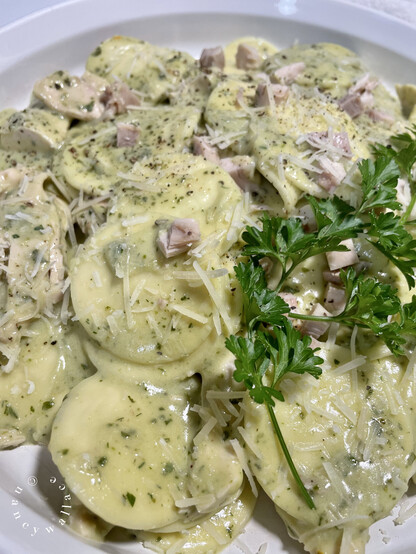
Croxetti (aka Corzetti) is a coin-medallion pasta from Liguria imprinted with a family coat of arms, a tradition dating back to the Renaissance. Cooks would customize the pasta with a wooden stamp at the request of aristocrats who felt the need to distinguish themselves from the poor.
Here it is served with a walnut-pesto cream sauce with chicken.

#cooking #Croxetti #Corzetti #pasta #ItalianCooking #FoodHistory #Foodiverse #CulinaryOrigins #FoodOrigins #PlayWithFood #CookLore #Homemade #Food

'Several foods have fallen victim to fakelore. Take one of our most beloved snacks—the potato chip.' https://daily.jstor.org/the-fakelore-of-food-origins/ #foodhistory #foodorigins #fakelore
The Fakelore of Food Origins - JSTOR Daily

Where did potato chips come from? How about clams casino? Are the origin stories for these foods true, or do they fall into the category of “fakelore”?

JSTOR Daily