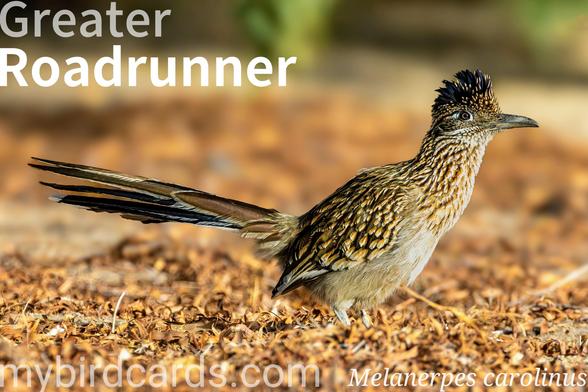
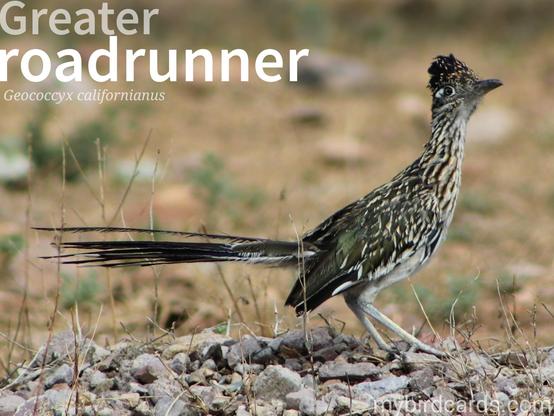
The genus #Geococcyx comprises two species of fast-running ground #cuckoos within the family #Cuculidae and the order #Cuculiformes. Native to the arid and semi-arid scrublands of the Southwestern United States, Mexico, and Central America
#Metazoa #birds #sflorg
https://www.sflorg.com/2026/02/met02012601.html
Roadrunner (Geococcyx): The Metazoa Explorer

The genus Geococcyx comprises two species of fast-running ground cuckoos within the family Cuculidae and the order Cuculiformes.

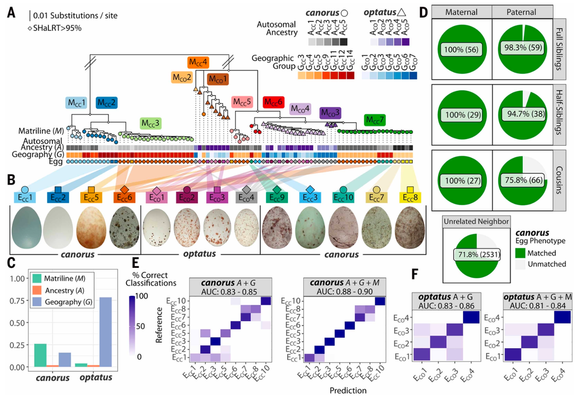
@grrlscientist great article about recent #research on the #eggmimicry in #cuckoos with fascination information about the number of distinct #eggvariations a cuckoo female can produce to be able to mimic as #broodparasite a greater diversity of #hostspecies. Fascinating are especially the findings about the genetic basics for all that in the European cuckoo.

Cuckoo eggs match the eggs of their adoptive hosts thanks to (mostly) loci inherited from their mothers, who put them there — impressive multifaceted genomic study https://buff.ly/r8xpxaR

#science #genomics #birds #cuckoos

Here's a neat observation on #iNaturalistNZ. iNat user "catchwords" took an excellent set of photos of a shining cuckoo, pīpīwharauroa, in the Coromandel, NZ, eating caterpillars of magpie moths, mōkarakara.

No other bird in NZ eats these caterpillars, as the caterpillars sequester the poisons from the groundsel plants they eat, similar to what monarchs do with milkweeds. The stiff hairs on the caterpillars are also known to pierce the lining of bird gizzards.

Shining cuckoos typically squeeze out the innards of the caterpillars and eat those and then discard the skin.

The birds can also eat cinnabar moth caterpillars in NZ, which were introduced as a biocontrol agent for ragwort. Like magpie moths, cinnabar moths sequester the toxic alkaloids in the ragwort they feed on. Shining cuckoos don't care.

Many birds in the family Cuculidae, the true cuckoos and koels, are known to eat hairy and toxic caterpillars that other birds avoid.

https://inaturalist.nz/observations/253969377

#birds #iNaturalist #Lepidoptera #caterpillars #EcologicalInteractions #nz #ecology #nature #cuckoos

Magpie moths (Genus Nyctemera)

Magpie Tiger Moths from Te Mata 3575, New Zealand on January 29, 2014 at 10:08 AM by catchwords. The caterpillars were next to ragwort, some hiding under the bark of the fallen pine trees. The ...

iNaturalist NZ
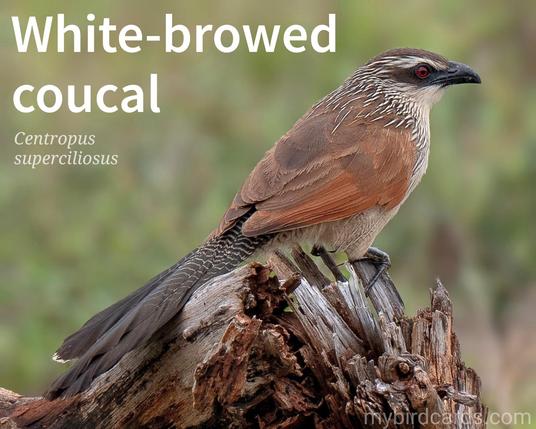
New addition! 🌍 White-browed coucal (Centropus superciliosus) #AfricanBirds | #WhiteBrowedCoucal #LarkHeeledCuckoo | #Coucals #Cuckoos 📷: Photo by hbieser 🦜 #BirdsOfTheWorld #BOTW #birds

Bid to save early #rewilding site that hosts rare #nightingales and #TurtleDoves

#Conservationists have launched a £1.5 million appeal to buy #farmland that was left to #nature 37 years ago

by Emily Beament
Tuesday 18 June 2024

"A farm left to nature years before 'rewilding' rose to prominence has become a unique and important site for wildlife, say conservationists launching a bid to save it.

"The owner of Strawberry Hill, near Bedford, stopped farming his land 37 years ago, with once-arable fields reverting to #scrubland that is now a haven for a host of #wildlife including threatened nightingales, #cuckoos and turtle doves.

"But the 150-hectare (377-acre) site has no official designations or protections, and following the owner’s death, there were fears the land could be sold and returned to agriculture.

"After gaining a temporary stay of execution for the site, the #WildlifeTrust for Beds, Cambs and Northants (#BCN) has raised enough money to buy half the land.

"Now the conservation charity is launching a £1.5 million appeal to secure the whole site, saving the habitat and its rich wildlife and providing a 'unique' opportunity to have a decades-long head start on rewilding the land for nature."

https://www.independent.co.uk/news/uk/home-news/strawberry-hill-wildlife-trust-bedford-west-sussex-bedfordshire-b2563664.html

#StrawberryHillsForever #Rewilding #RewildingUK #BedfordEngland

Bid to save early rewilding site that hosts rare nightingales and turtle doves

Conservationists have launched a £1.5 million appeal to buy farmland that was left to nature 37 years ago

The Independent

#Cuckoos evolve to look like their hosts—and form #NewSpecies in the process https://phys.org/news/2024-05-cuckoos-evolve-hosts-species.html

#Coevolution with hosts underpins #speciation in brood-parasitic cuckoos https://www.science.org/doi/10.1126/science.adj3210

"Each species of bronze-cuckoo closely matches the appearance of their host's chicks, fooling the host parents into accepting the #cuckoo. The study shows how these interactions can cause new species to arise when a cuckoo species exploits several different hosts."

Study shows cuckoos evolve to look like their hosts—and form new species in the process

The theory of coevolution says that when closely interacting species drive evolutionary changes in each other this can lead to speciation—the evolution of new species. But until now, real-world evidence for this has been scarce.

Phys.org

Sadly our last full day for our guests !

16 (of over 17) Little #Buntings! 3 Great Spotted #Cuckoos, both Bonelli´s and Spanish Imperial #Eagles among the many highlights of an action packed day!

Fabulous, exciting and enthralling #FlywayBirding here in The #Straits !