 MikeDunnAuthor
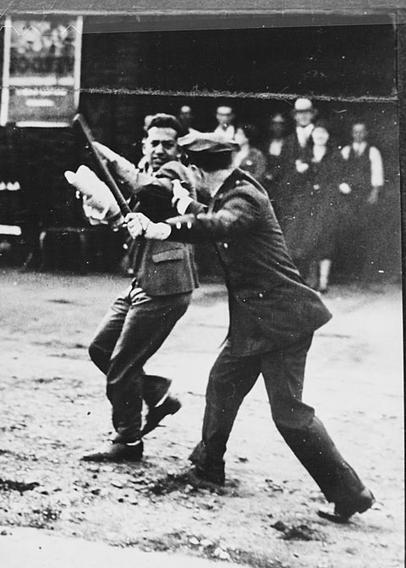
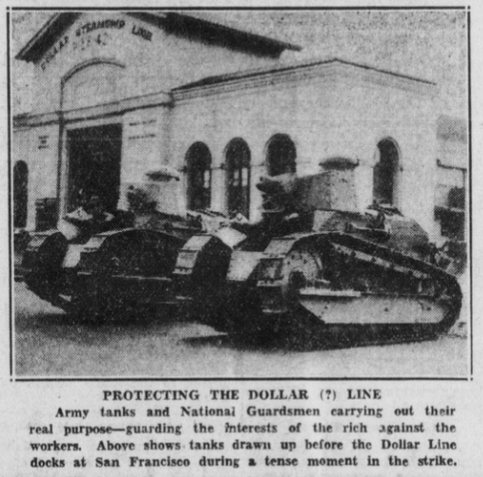
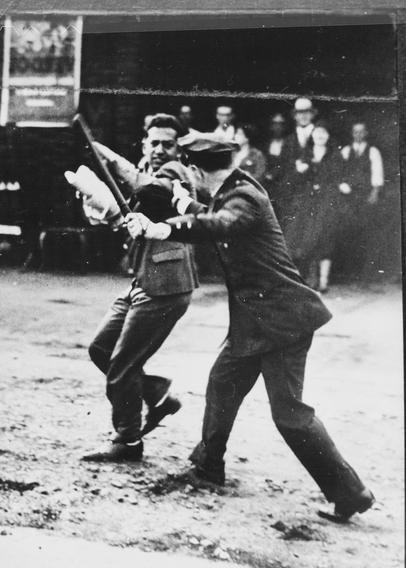
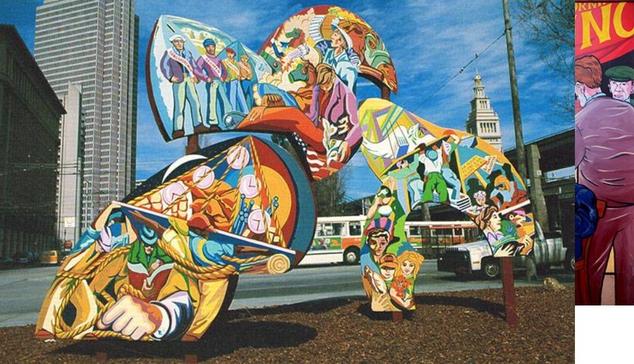
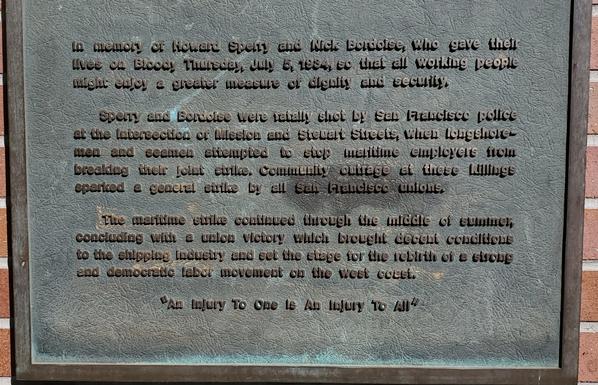
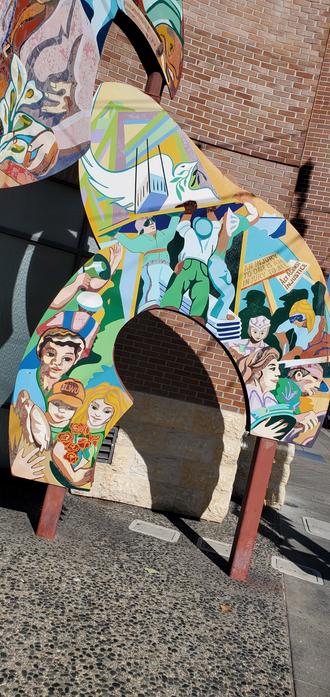
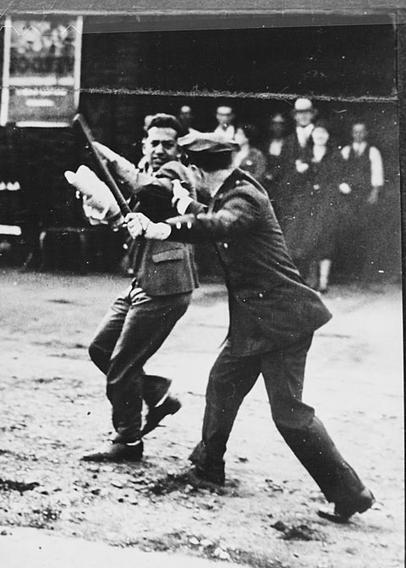
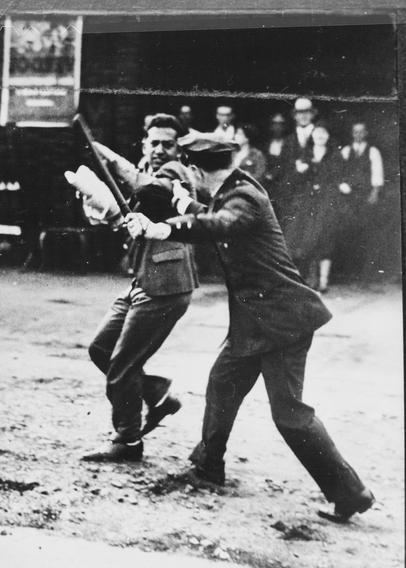
Today in Labor History May 9, 1934: Longshoremen up and down the West Coast of the U.S. began a strike for union recognition. After World War One, West Coast longshore workers were poorly organized or represented by company unions. The IWW had tried to organize them and had some successes, like in San Pedro, and in Portland in 1922, and in Seattle in 1919, but they were ultimately crushed by injunctions, imprisonment, deportation and vigilante violence. While longshoremen lacked a well-organized union, they retained a syndicalist sentiment and militancy. Many Wobblies were still working the docks. On May 9, 1934, longshoremen walked off the job at ports up and down the West Coast, soon to be followed by sailors. Goons shot at strikers in San Pedro. There was also violence in Oakland and San Francisco. Street battles between the cops and strikers continued in San Francisco, heating up on July 3. Things came to a head on Bloody Thursday, July 5, when police, who were helping the Waterfront Employers Association deliver cargo, attacked picketers. Scores were beaten or wounded by gunfire, including bystanders. And when police raided the union mess hall, at the corner of Steuart and Mission, in San Francisco’s Rincon Hill neighborhood, they shot and killed Howard Sperry, a striking sailor, and Nicholas Bordoise, a member of the cooks' union. This attack led to a four-day general strike of over 150,000 workers that effectively shut down commerce in San Francisco, despite police violence and attempts to weaken it by national unions. On July 17, the National Guard blocked Jackson Street with machine gun-mounted trucks and, along with SFPD, assisted vigilante attacks on the headquarters of the Marine Workers' Industrial Union and the ILA soup kitchen at 84 Embarcadero. They also attacked the Workers' School on Haight Street, and the Mission Workers' Neighborhood House at 741 Valencia Street, as well as destroying the Communist Party headquarters.
Overall, nine people were killed during the West Coast Waterfront Strike. Over 1,000 were injured and over 500 were arrested. But it did ultimately lead to the unionization of all the West Coast Ports, from Los Angeles to Seattle. And, along with the Minneapolis and Toledo General Strikes of 1934, helped pave the way for the growth of Industrial Unionism in the U.S.
One of the leaders of San Francisco’s ILWU local at the time of the strike was Harry Bridges, an Australian immigrant and former member of the IWW. The authorities tried to deport him in 1939, but failed because they couldn’t prove he was a member of an organization that advocated the overthrow the U.S. government. So, the government wrote (and passed) the Smith Act, in 1940, specifically to deport Bridges and, generally, to deport other foreign born opposition leaders. And again, they were unsuccessful, going all the way to the Supreme Court, which ruled that they had failed to prove membership in CPUSA.
#workingclass #LaborHistory #sanfrancisco #generalstrike #longshoremen #union #strike #policebrutality #police #massacre #IWW #harrybridges #bloodythursday #solidarity #prison #communism #scotus #immigration

 John Autry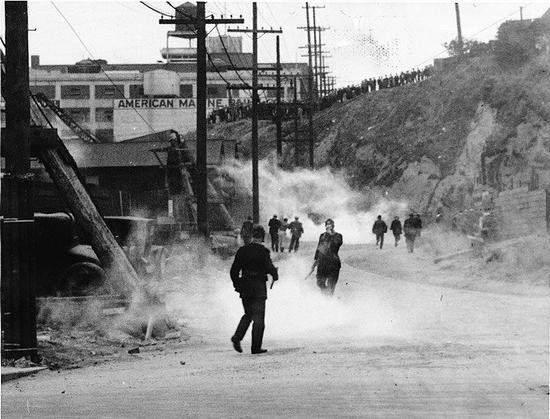
 Cadmus