 pixelarabcom
أرباح KRAFTON القياسية في 2026 تشعل المنافسة: PUBG تقود النمو وSubnautica 2 وinZOI ترسمان المستقبل
https://pixelarab.com/%d8%a3%d8%b1%d8%a8%d8%a7%d8%ad-krafton-%d8%a7%d9%84%d9%82%d9%8a%d8%a7%d8%b3%d9%8a%d8%a9-%d9%81%d9%8a-2026-%d8%aa%d8%b4%d8%b9%d9%84-%d8%a7%d9%84%d9%85%d9%86%d8%a7%d9%81%d8%b3%d8%a9-pubg-%d8%aa%d9%82/
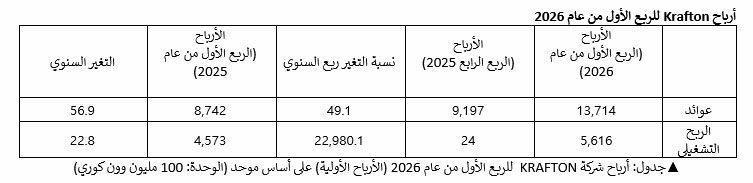
أعلنت KRAFTON عن نتائج مالية استثنائية للربع الأول من عام 2026، حيث سجّلت أرقامًا قياسية تعكس قوة استراتيجيتها طويلة الأمد، بقيادة امتياز PUBG: BATTLEGROUNDS وتوسعاتها المستقبلية عبر مشاريع مثل inZOI وSubnautica 2، إلى
#AIinGames #GameDev #GameIndustry #GamingNews #inZOI #Krafton #PixelArab #PUBG #Subnautica2 #أخبار_الألعاب #ألعاب #بيكسل_عرب
https://pixelarab.com/%d8%a3%d8%b1%d8%a8%d8%a7%d8%ad-krafton-%d8%a7%d9%84%d9%82%d9%8a%d8%a7%d8%b3%d9%8a%d8%a9-%d9%81%d9%8a-2026-%d8%aa%d8%b4%d8%b9%d9%84-%d8%a7%d9%84%d9%85%d9%86%d8%a7%d9%81%d8%b3%d8%a9-pubg-%d8%aa%d9%82/
أعلنت KRAFTON عن نتائج مالية استثنائية للربع الأول من عام 2026، حيث سجّلت أرقامًا قياسية تعكس قوة استراتيجيتها طويلة الأمد، بقيادة امتياز PUBG: BATTLEGROUNDS وتوسعاتها المستقبلية عبر مشاريع مثل inZOI وSubnautica 2، إلى
#AIinGames #GameDev #GameIndustry #GamingNews #inZOI #Krafton #PixelArab #PUBG #Subnautica2 #أخبار_الألعاب #ألعاب #بيكسل_عرب
 Ricardo Antonio Piana
 Zajey
Zajey Mastahhh Gaming Network

 Game Rumors

