The Circle: The Scariest Part Isn't Big Tech. It's Us.
When The Circle hit theaters in 2017, many people saw it as another tech thriller. Today, it feels less like science fiction and more like tomorrow's news feed.
The movie is based on Dave Eggers' bestselling novel, often called the 1984 of the digital age. Ironically, the film improves on the book in one important way. Instead of explaining every idea through endless dialogue, it lets us see them. The result is faster, smoother and much easier to watch. But it still feels more like an essay than a real story.
Mae Holland lands her dream job at The Circle, a giant tech company that looks like a mix of Google, Apple, Meta and TikTok. The campus is bright, colorful and full of smiling people. Everyone talks about changing the world. That is the first warning sign.
Modern tech companies rarely say they just want to build products or make money. They promise to make humanity better. The Circle sells exactly that dream. Soon Mae believes privacy is outdated. If you have nothing to hide, why keep secrets? She starts wearing a tiny camera that livestreams her entire life. Every second. Every conversation. Every emotion. Imagine if your entire life became one endless Twitch stream.
This world feels like a strange combination of George Orwell's 1984 and Aldous Huxley's Brave New World. Control no longer comes through fear alone. It comes through convenience, entertainment and the promise of a better future. Looking at today's AI boom, smart homes and endless social media feeds, the movie suddenly feels much less fictional than it did a few years ago.
One scene stands out. The Circle suggests that voting should happen through its own platform. If everyone already has an account, why not connect democracy directly to the app? It sounds efficient. Maybe even practical. The movie briefly asks whether democracy itself could become a product owned by a private company. That is one of its most interesting ideas.
Sadly, it never explores that question.
Instead, the ending takes the easy Hollywood route. Rather than challenging the system, it blames a few powerful executives. Once their private emails are exposed, the audience is expected to believe justice has been served. As if replacing a CEO could solve everything.
But that misses the real problem.
Systems survive because people are replaceable. Remove one tech billionaire and another one will take the job. The real issue is a business model built on collecting more data, measuring human behavior and turning attention into profit. It doesn't matter whether the CEO is friendly or arrogant. If the machine stays the same, the result stays the same.
That idea feels even more relevant today. We often argue about individual tech leaders. But should we? The real question is why any company should have that much power in the first place. Whether it is Meta, Google, Apple or the next AI giant, the structure remains the same.
The movie also lets us off the hook too easily. It is comforting to blame powerful corporations. Harder to admit that we help build this world ourselves. We accept the cookies. We install the apps. We trade privacy for convenience. We buy smart speakers, connect everything to the cloud and tell ourselves it is worth it because life becomes easier.
That may be The Circle's biggest weakness. It criticizes Silicon Valley's worldview but forgets to criticize ours. Most people are not driven by ideology. They simply choose what is new, useful and comfortable. That is how surveillance becomes normal—not because anyone forces us, but because we quietly invite it into our homes.
The movie offers only one alternative: rejecting technology completely and escaping into nature. But that feels just as unrealistic as total digital transparency. It presents two extremes while ignoring everything in between.
Despite its flaws, The Circle remains a fascinating warning. Not because it predicts the future perfectly, but because so much of its future has already become our present.
Why am I writing about such an old movie? Shouldn't we have much smarter, deeper movies about AI, surveillance and Big Tech by now? Or have we simply become so used to these technologies that we no longer notice what is happening? Has Silicon Valley slowly won us over with its own propaganda? If you know any newer movies or series that tackle these questions in a more thoughtful way, let me know in the comments. I'm always looking for the next great warning before it becomes reality.
#TheCircle #movie #film #entertainment #cinema #Hollywood #criticism #filmcritic #siliconvalley #bigtech #bigdata #bigbrother #orwell #surveillance #privacy #warning #danger #today #future #ai #technology #software #algorithm #freedom #democracy #economy #power #billionaires #finance #money #company #humanity #ethics #world #life #control
 NWS Tsunami Alerts (bot)
 Script Kiddie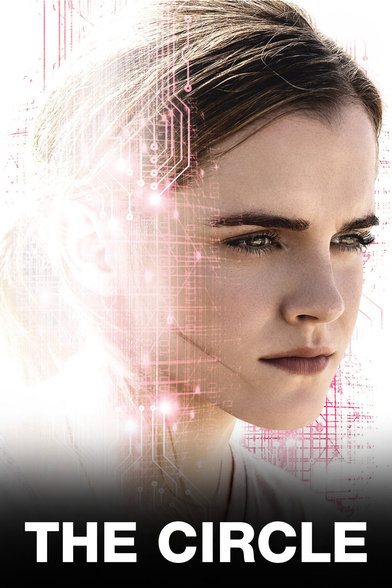
 Drink of Jesus
 Cyberiad
 Jason Stiff