🧬 VGLL1: The molecular maestro orchestrating embryonic cell fate! Unraveling stem cell secrets one signaling pathway at a time. 🚀 #Genomics #StemCellResearch #CellBiology https://emmecola.github.io/genomics-daily
Genomics Daily

My GitHub page

Moreno Colaiacovo

"T Ini mô hình 3D từ tế bào gốc mô phỏng sự phát triển Alpha胚胎 (CS12-CS16), tạo tim mạch, gan, tế bào máu. Các clspc (DLL4, SCF) dẫn tân và FGF23 hạn chế sự lượng hóa HSC. Cực tiết GREENFIG, có tiềm năng therapeutic. #Hematoids #StemCellResearch #HSC #NghiênCứuThầnSức #S erfolgen"

https://www.reddit.com/r/singularity/comments/1o5o1hj/a_postimplantation_model_of_human_embryo/

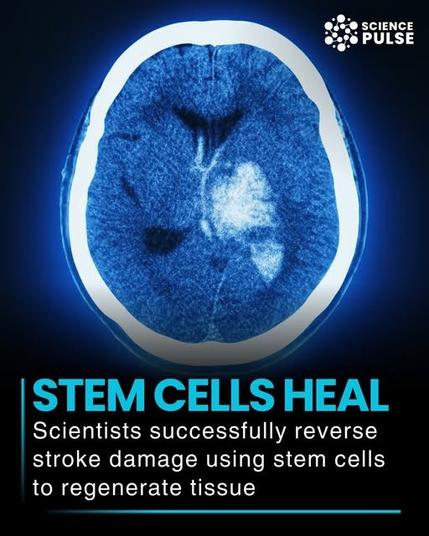
A groundbreaking medical breakthrough is giving hope to millions affected by strokes. Scientists have successfully used stem cells to regenerate brain tissue and reverse the damage caused by a stroke. This discovery is rewriting the possibilities for recovery, offering a new chance at healing for patients who were once told the damage was permanent.

In this new treatment, stem cells are carefully introduced into damaged areas of the brain. These cells have the remarkable ability to transform into the type of tissue needed, repairing blood vessels, neurons, and connections critical for movement, speech, and memory. Early clinical studies have shown significant improvement in patients’ motor skills and cognitive function, even months after their stroke.

Traditional therapies can help manage symptoms, but they rarely restore lost brain tissue. Stem cell regeneration changes everything by addressing the root of the problem and actually rebuilding what was damaged. Experts believe this breakthrough could soon revolutionize stroke recovery, dramatically reducing disability rates and improving quality of life for millions of people worldwide.

This advancement highlights the incredible potential of regenerative medicine. With continued research and development, stem cell therapy may soon become a standard treatment, offering hope where there once was none. The future of stroke recovery is brighter than ever.

Core discovery & science
#MedicalBreakthrough #RegenerativeMedicine #StemCellResearch #LifeSciences #FutureOfMedicine

Disease focus
#StrokeRecovery #BrainHealth #Neuroscience #NeuroRegeneration #CognitiveHealing

Impact & hope
#InnovativeMedicine #HopeForPatients #NextGenHealthcare #CuttingEdgeScience #HealingTheBrain

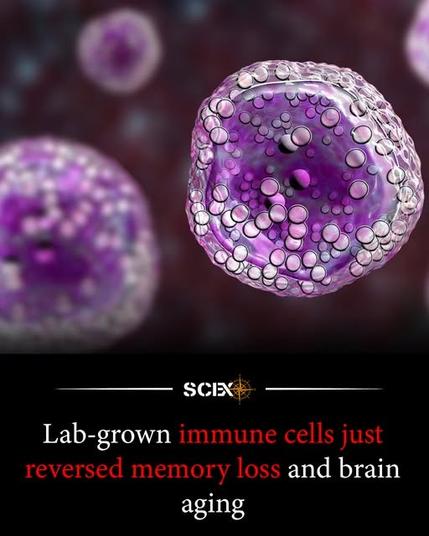
🧠 Scientists reversed memory loss using lab-grown “young” immune cells
In a breakthrough study, researchers at Cedars-Sinai have shown it may be possible to reverse age-related memory decline and Alzheimer’s symptoms—at least in mice—by using lab-grown “young” immune cells.

These specialized cells, called mononuclear phagocytes, were generated from adult stem cells and infused into aged and Alzheimer’s-model mice. The results were striking:
• Mice treated with the cells performed better in memory tests.

• Their brains retained more mossy cells, which are crucial for learning and memory in the hippocampus.

• Their microglia—the brain’s immune sentinels—remained healthier and more active than in untreated animals.

Interestingly, the infused cells never entered the brain directly. Instead, researchers believe they worked indirectly—possibly by releasing protective proteins, shedding vesicles that reach the brain, or clearing harmful molecules from the bloodstream.

This discovery opens the door to a new class of stem cell-based therapies that could one day slow or even reverse cognitive decline in aging and neurodegenerative diseases like Alzheimer’s. The next step is understanding the exact mechanism—so this approach can move from mice to humans.

🔬 Source: Moser, V.A., Dimas-Harms, L.J., Lipman, R.M., et al. (2025). Human iPSC-Derived Mononuclear Phagocytes Improve Cognition and Neural Health across Multiple Mouse Models of Aging and Alzheimer’s Disease. Advanced Science.

Core discovery & science
#MedicalBreakthrough #Neuroscience #StemCellResearch #LifeSciences #FutureOfMedicine

Therapy & innovation
#MemoryRestoration #YoungImmuneCells #CognitiveHealth #Neurodegeneration #AlzheimersResearch

Impact & hope
#BrainHealth #InnovativeMedicine #AgeReversal #CuttingEdgeScience #HopeForPatients

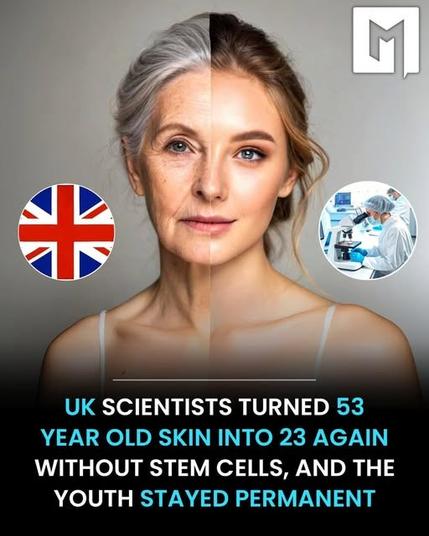
UK Scientists Achieve Breakthrough in Reversing Skin Cell Aging by 30 Years
Researchers at the Babraham Institute in the UK have made a ground-breaking discovery, rejuvenating 53-year-old human skin cells to function as if they were 23 years old, while preserving their original identity.

Using a technique called partial cellular reprogramming, they applied a brief, controlled dose of Yamanaka factors—proteins that reset the genetic markers of aging—over just 13 days.

Unlike full reprogramming, which turns cells into stem cells and erases their specialized roles, this method kept the cells’ skin-specific functions intact.

The revitalized cells exhibited remarkable changes: faster wound healing, increased collagen production, and activation of youthful gene patterns.

Visually, they appeared younger under a microscope, with improved structure, stronger connections, and enhanced resilience.

Notably, these rejuvenated traits persisted weeks after the treatment, indicating a deep, lasting reset of the cells’ biological age.

This advancement holds transformative potential for regenerative medicine, with applications for aging skin, arthritis, and possibly neurodegenerative diseases like Alzheimer’s.

The discovery paves the way for therapies that don’t just mask aging but fundamentally reverse it at the cellular level.

Core Topic – Skin & Aging
#SkinAging #AgeReversal #CellRejuvenation #HealthyAging #Longevity #YouthfulSkin #SkinScience #AgeDefying #RegenerativeSkin

Research & Discovery
#ScienceNews #MedicalBreakthrough #CuttingEdgeScience #FutureOfMedicine #ResearchMatters #ScientificDiscovery #LifeSciences #BiomedicalResearch

Techniques & Biology
#CellularReprogramming #PartialReprogramming #YamanakaFactors #Epigenetics #StemCellResearch #CellTherapy #MolecularBiology #GeneticReprogramming

Regenerative & Anti-Aging Medicine
#RegenerativeMedicine #AntiAging #LongevityScience #NextGenMedicine #AgeReversalTherapy #HealthyLongevity #MedicalInnovation

🧬 Microglia magic! 6 transcription factors unlock stem cell transformation in just 4 days - game-changing breakthrough for brain research 🧠 #Genomics #Neuroscience #StemCellResearch https://emmecola.github.io/genomics-daily
Genomics Daily

My GitHub page

Moreno Colaiacovo

🔬 iPSC Breakthroughs! 🧬

Explore stem cells with SOX2, OCT4, Nanog, KLF4, SCF antibodies. Perfect for Western Blot, IHC, ICC/IF in human, mouse, rat models. 🚀

Explore more: https://www.antibodies.com/products/primary-antibodies/ipscs-markers

#StemCellResearch #iPSCs #Biotech

🔬 🧫 Organoids are a promising breakthrough that scientists have been exploring over the past 15 years. These three-dimensional tissue cultures grown from human stem cells stand to revolutionize some aspects of biomedical research, but they won’t do away entirely with the need for animal testing.

#Organoids #BiomedicalResearch #StemCellResearch

Read more: https://go.epfl.ch/61U-en

The promise and limitations of organoids for scientific research

Organoids are a promising breakthrough that scientists have been exploring over the past 15 years. These three-dimensional tissue cultures grown from human stem cells stand to revolutionize some aspects of biomedical research, but they won’t do away entirely with the need for animal testing.

Advanced amniotic sacs created from stem cells

Researchers stimulated stem cells to form 2 cm amniotic sacs, useful for studying early pregnancy.

Omni Letters