 Coach Spore Diesel
 Я⊛ḶḶ model ‽‽‽
after completing my first week driving in revenue service, i gotta tell ya:
i freaking love driving the bus!
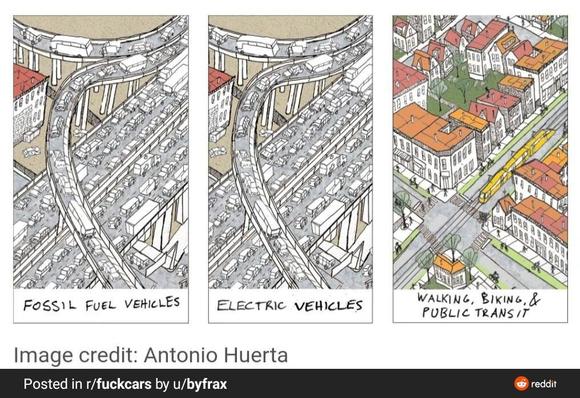
c'mon, folks. gas is expensive and is all sorts of pollutey. give your local transit a try some time, i bet you'll like it.
Okay, one more.
I love love love New Orleans RTA, BTW.
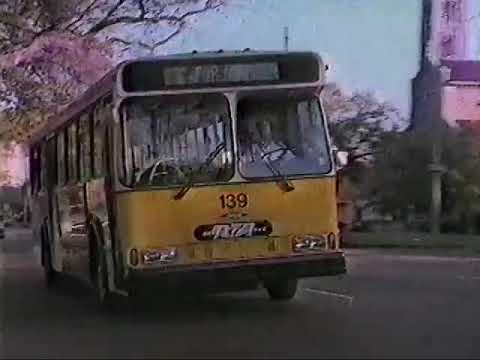
https://youtu.be/aVQUCnITguA?si=wTyIv_27fYAq7ECe
I
Just
Wow
Like
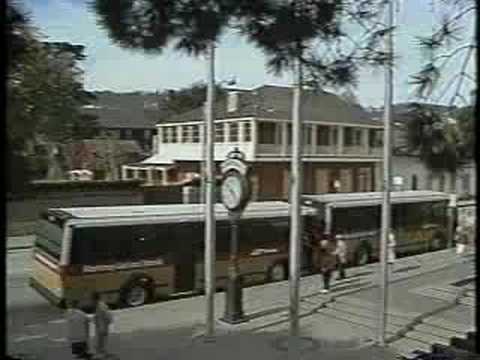
The idea of children running loose all over San Antonio...
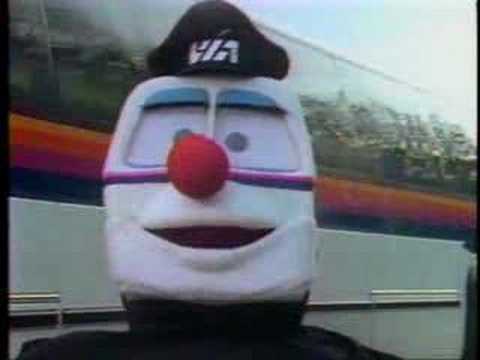
The baby applauded the happy ending of this Greyhound commercial.
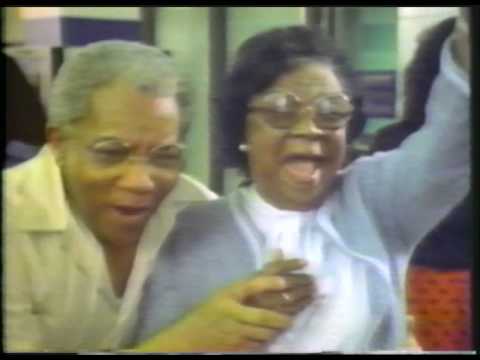
Every time I think of riding the bus, this song comes to mind. I couldn't remember where I heard it so I just now looked it up.
after completing my first week driving in revenue service, i gotta tell ya:
i freaking love driving the bus!
c'mon, folks. gas is expensive and is all sorts of pollutey. give your local transit a try some time, i bet you'll like it.
after completing my first week driving in revenue service, i gotta tell ya:
i freaking love driving the bus!
c'mon, folks. gas is expensive and is all sorts of pollutey. give your local transit a try some time, i bet you'll like it.
i'm scheduled to take my CDL road test this week, one of the final steps in bus driver training. i'm ready. but, is the public ready for me?

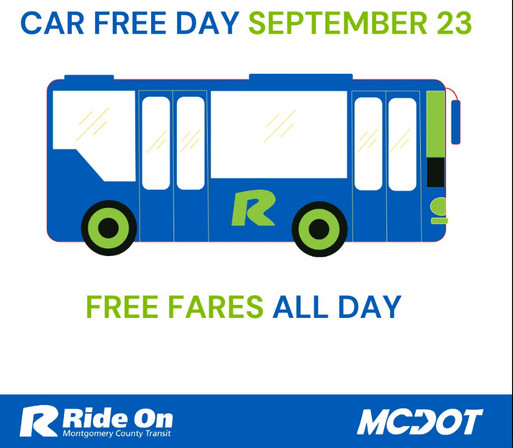
❗ #CarFreeDay is Monday, Sept. 23❗
It’s a worldwide event that encourages greener ways to travel other than driving your car🚗. Help reduce harmful greenhouse gas emissions and traffic congestion by riding for #free all day on #RideOn buses🚌❗
Take the pledge and win some great prizes🎁 for going #carfree ▶️ https://www.carfreemetrodc.org/pledge-page/ #montgomerycountymd #maryland #carfreedc #ridethebus #transitTooter #transitTooter
 Я☯ḶḶ model ☭
 Ratt's camera roll.
 MCDOT
MCDOT