 mock
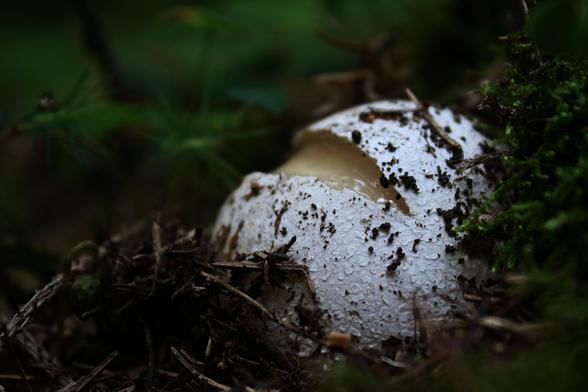
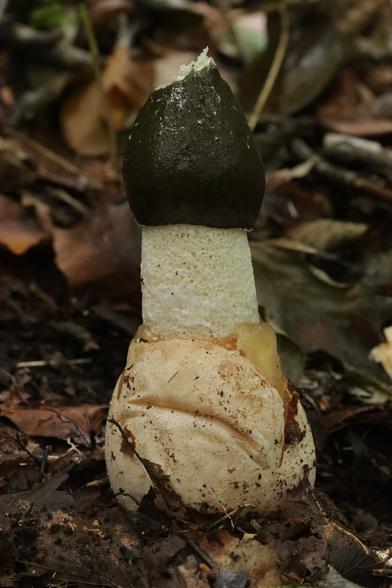
mockein hexenei tief im wald. es wächst bald zu einer stinkig-schönen stinkmorchel heran – und es ist essbar!
#mockfotos #photography #nature #forest #moos #mosstodon #fungi #pilz #herbst #autumn #phallusimpudicus
fliegen werden vom aasgeruch angezogen und tummeln sich auf dem glibberigen hut der stinkmorchel. so sichert sie sich die verbreitung ihrer sporen.
#mockfotos #photography #fungi #phallusimpudicus #herbst #fliegen

ein hexenei tief im wald. es wächst bald zu einer stinkig-schönen stinkmorchel heran – und es ist essbar!
#mockfotos #photography #nature #forest #moos #mosstodon #fungi #pilz #herbst #autumn #phallusimpudicus
Phallus impudicus
#Phallusimpudicus #Phallus #Stinkmorchel #Stinkhorn #Satyrepuant #falohediondo #mushroom #mushrooms #fungus #fungi #pilz #pilze #champignons #champignon #nature #natur #FungiFriends

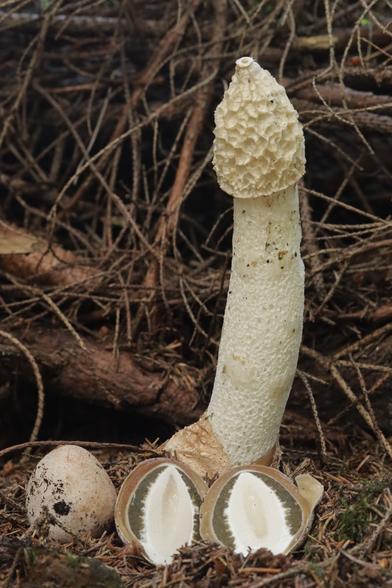
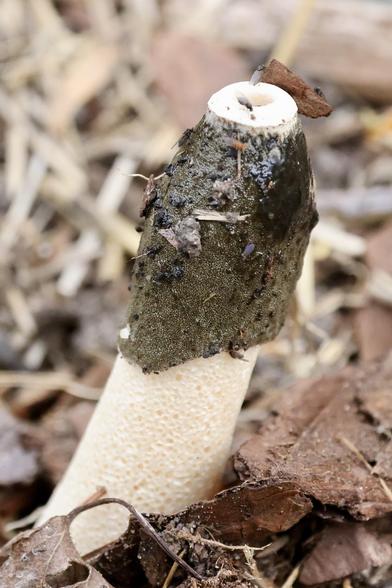


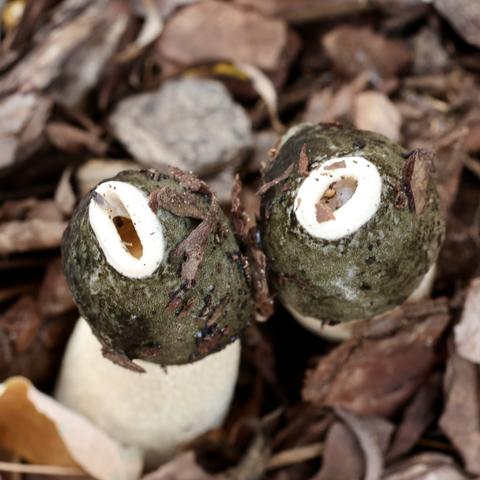

Phallus impudicus
#Phallusimpudicus #Phallus #Stinkmorchel #Stinkhorn #Satyrepuant #mushroom #mushrooms #fungus #fungi #pilz #pilze #champignons #champignon #nature #natur


 Ruhrpott-Pilze
 eabolden
 Jisca van Dijk
 Malte Rod
 vegan lemon tart
