Announcement of #BactoGre 27 May - #bacteriology in #Grenoble meeting of #microbiologists focusing on #bacterial and #archaeal organisms and communities.

Registration is free but mandatory
https://forms.gle/nDi25ogQbdBP3yvQ7

submissions close 25 April,
registration 16 May

Invited speakers:
#CatherineLarose, "Institut des Géosciences de l’Environnement", Grenoble
#SamMeyer, "Microbiologie, Adaptation et Pathogénie", Lyon

Organisers: Sylvie Elsen, Pierre Marcoux and Sophie Abby

BactoGre 2025 registration

Event Timing: May 27th, 2025 Event Address: IMAG building, auditorium, St Martin d'Hères

Google Docs

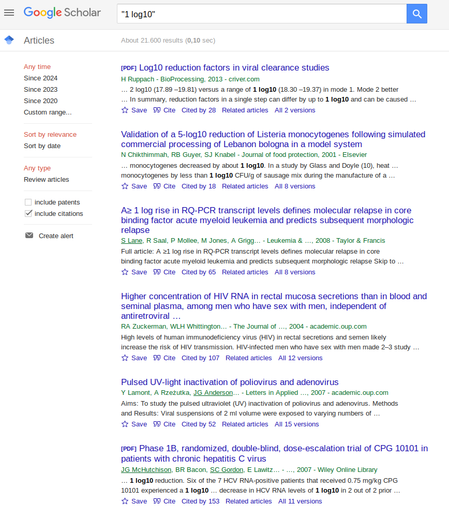
• go to → scholar.google.com
• search for → "◌ log10" with ◌ ∈ [1, 9]
• open each paper and skim over the tables
• huh.gif

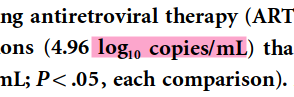
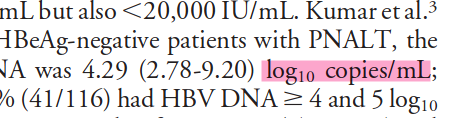
#microbiologists are using log10 as if it were a unit!

#AAAAAAAAARRRRGHHHH!

Call-out to fellow #microbiologists.

Retooting to skeet from Bluesky for greater reach.

“ what are y'all using for biofilm quantification on a surface? We've been doing crystal violet bc that's what I've always done, but I'm looking at safranin staining. I swear there were papers on staining the sugars and proteins in biofilms, but I'm not finding them. TIA! 🧫🧪🦠”

#Microbiology #Biofilm #Quantification #SciComm #Science

On April 16, APHIS #microbiologists identified a shift in an #H5N1 sample from a #cow in #Kansas that could indicate that the virus has an #adaptation to #mammals. Centers for Disease Control and Prevention (CDC) conducted further analysis of the specimen sequence, which did not change their overall risk assessment for the general public, because the substitution has been seen previously in other mammalian infections and does not impact viral transmission.

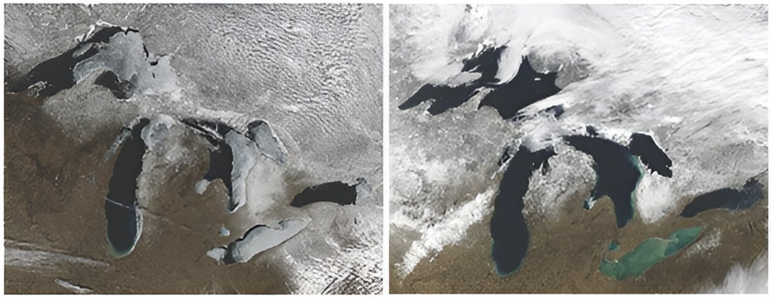
Researchers investigate how freshwater diatoms stay in the light https://phys.org/news/2024-03-freshwater-diatoms-stay.html

Declines in ice cover are accompanied by light limitation responses and community change in freshwater #diatoms: Brittany Zepernick et al. https://academic.oup.com/ismej/article/18/1/wrad015/7513090

"a curious discovery in #LakeErie circa 2012 led #microbiologists to study an unseasonal display of winter abundance. #Blooms of diatoms—microscopic, photosynthetic #algae—were alive and well beneath (and within) the lake's ice cover."

Researchers investigate how freshwater diatoms stay in the light

Spring weather brings welcome conditions for flowers and plant life to bloom across the land. The right mixture of temperature, moisture, and light helps keep the green world vibrant.

Phys.org
Review examines machine learning concepts for microbiologists

In a review in Nature Reviews Microbiology, Professor Levi Waldron and colleagues highlight the increasing importance of machine learning in microbiology, where it is used for tasks such as predicting antibiotic resistance and associating human microbiome features with complex host diseases.

Phys.org
Antibiotic resistance: microbiologists turn to new technologies in the hunt for solutions – podcast

From the frontline battle against antibiotic resistance in Nigeria, to the techniques being used to find new antibiotics. Listen to The Conversation Weekly podcast.

The Conversation

#Bacteria: The Tiny Giants

3-part #BBC #radio series narrated by #TimHayward and featuring a dozen or so #microbiologists, including (among others) #LauraHug, #PaulTurner, #ValeriaSouza and yours truly (discussing the #LTEE).

https://www.bbc.co.uk/programmes/m001qlzq

BBC Radio 4 - Bacteria: The Tiny Giants, Microbial Cities and New Worlds

Tim Hayward enters the bacterial jungle and discovers a whole new world of possibilities.

BBC
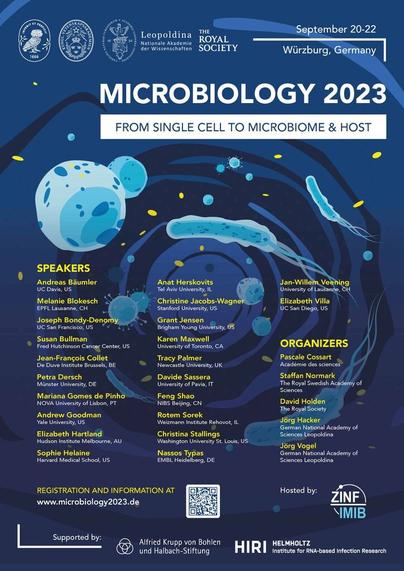
Calling all #microbiologists from across the globe! 👩‍🔬⚗️ This is your last chance to submit an abstract for the Interacademy Conference "Microbiology 2023"! The call ends on July 31: https://microbiology2023.de
Home – Microbiology 2023: from single cell to microbiome and host

I'm new to Mastodon and looking for #microbiologists to follow. #microbiology #science

I just migrated to this server, still figuring it all out!