Still, or: Shabbat tables call
A Sijo
snowlight whitens the village roofs
while burning windows glow askew;
through rising smoke a wagon tilts
while alleyways darken again;
still our Shabbat tables call
through centuries of ashes
d’Verse: Don’t box me in
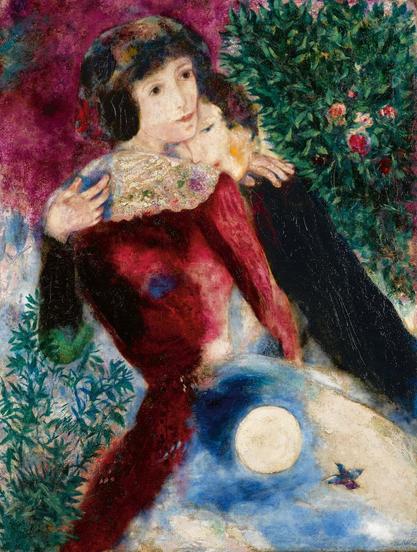
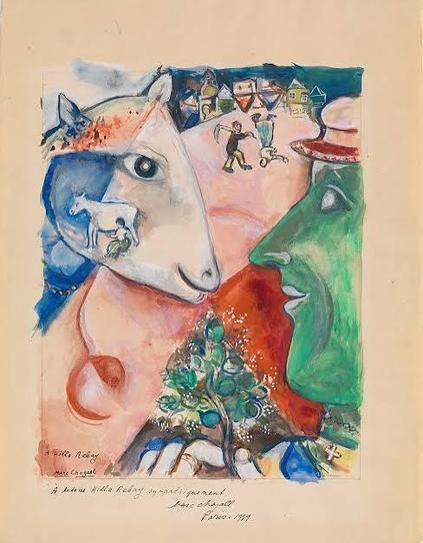
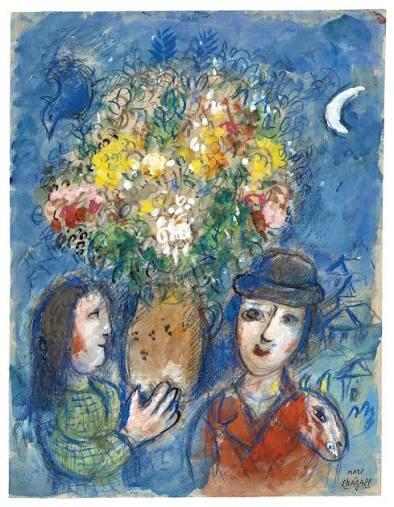
At d’Verse, we are encouraged to compose poems inspired by one of several paintings by the famous Jewish painter Marc Chagall (1887 – 1985). I selected ‘Burning House’ (1913).
Sijo?
A Korean verse form related to haiku and tanka and comprised of three lines of 14-16 syllables each, for a total of 44-46 syllables. Each line contains a pause near the middle, similar to a caesura, though the break need not be metrical. The first half of the line contains six to nine syllables; the second half should contain no fewer than five. Originally intended as songs, sijo can treat romantic, metaphysical, or spiritual themes. Whatever the subject, the first line introduces an idea or story, the second supplies a “turn,” and the third provides closure. Modern sijo are sometimes printed in six lines.
Let’s write poetry together!
When it comes to partnership, some humans can make their lives alone – it’s possible. But creatively, it’s more like painting: you can’t just use the same colours in every painting. It’s just not an option. You can’t take the same photograph every time and live with art forms with no differences.
–
Ben Harper (b. 1969)
Would you like to create poetry with me and have a completed poem of yours featured here at the Skeptic’s Kaddish? I am very excited to have launched the ‘Poetry Partners’ initiative and am looking forward to meeting and creating with you… Check it out!
#Art #Ekphrasis #History #Interpretation #Jewish #JewishHistory #MarcChagall #Painting #Poem #Poetry #Sijo Carlos Mata Induráin
 The Skeptic's Kaddish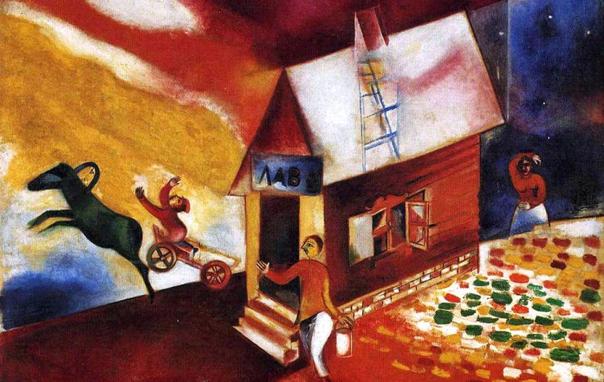
 The Tigress Awakens
 Minsk Walks
 Sim Barr
 ☘️JakobShamrock
 Fra
Fra
 PhillipeSudDuMonde
 AI Gallery