 Playing Games
【崩壊:スターレイル】壊滅ばんばん #shorts #崩壊スターレイル #スタレ #hsr #honkaistarrail #hsrcreators #ネタ #ライコス #mad #lygus https://www.playing-games.com/1038596/ #Honkai #Honkai:StarRail #StarRail #スターレイル #崩壊 #崩壊:スターレイル


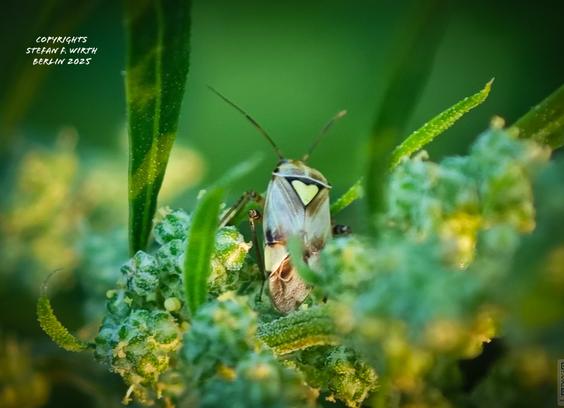
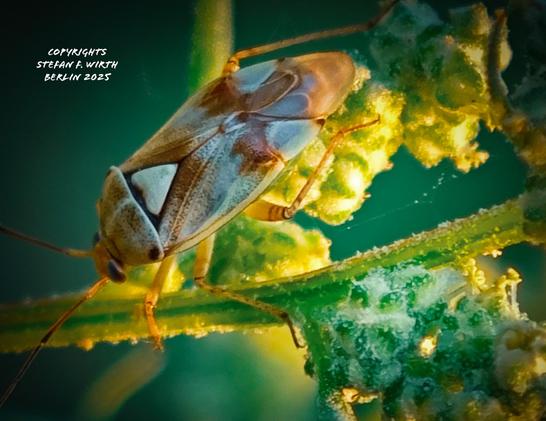
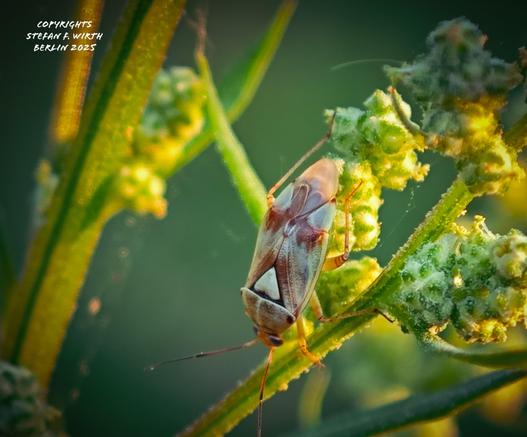
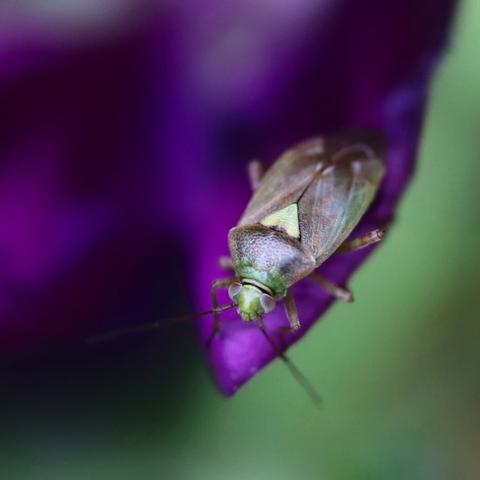
The #bug #Lygus #pratensis (#Miridae) is distributed throughout #Eurasia, Africa and North America. In Central Europe they have 1 annual #generation. #Adults and nymphs feed on nectar and various plants in the #herbaceouslayer and prefer warm #habitats. It can cover #longdistances by #flying. According to Y. Zheng et al. (2024), these #flights depend on #temperature and relative #humidity.
© #StefanFWirth, #Berlin 2025
Ref
Y. Zheng et al. (2024)
https://doi.org/10.3390/insects15100762
#Photos
© SF Wirth

Check out my latest co-authorship, "Revising economic injury levels for Lygus spp. in canola: The value of historical yield and insect data to improve decision making"
#Canola is one of the most important cash #crops in #Canada, but yields can be reduced by several #insect #pests including #Lygus spp. (Hemiptera: Miridae). Canola cultivars have been improved substantially since #economic thresholds were developed for Lygus in the 1990's...
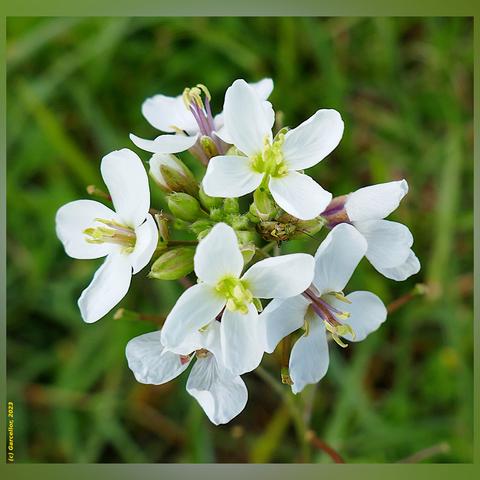
Jaramago habitado
Las especies de jaramagos más comunes en Madrid tienen flores de color amarillo. Pero esta regla tiene su excepción y también nos podemos encontrar con Diplotaxis erucoides, el jaramago blanco.
Al verla en el ordenador, descubrí que el ejemplar de la foto estaba habitado por una chinche del género Lygus. Está un poco escondida. ¿La veis?
Madrid, España. Octubre de 2023.
#garcellor #jaramagoblanco #diplotaxiserucoides #florademadrid #floresdeotoño #Lygus #floreshabitadas
 KUSOGAME
 Stefan F. Wirth
 Mauzegrafie
 Timothy Schwinghamer (he/him)
 Lorenzo García Celada
 Pestinfo