—¿Qué hay de nuevo, viejo?
—¿Viejo? ¡Pero si soy más joven que tú!
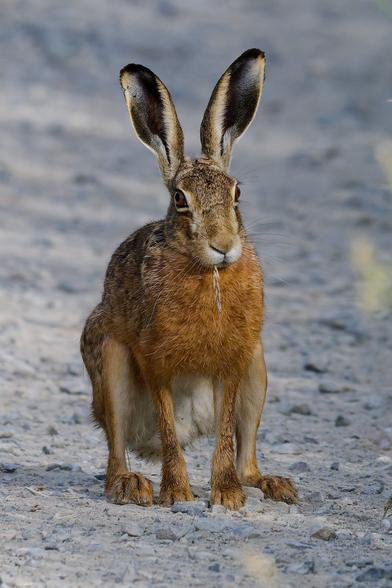
—Venga, no te enfades. Si solo quería presentarte a la #LiebreEuropea.
—Ya. ¿Y hoy no me das su nombre científico?
—Es que hay varias especies del género #Lepus representadas en la #FaunaIbérica. Si las quieres conocer, tendrás que pinchar el enlace.
—Allá voy. ¡Eso es todo, amigos!
https://www.faunaiberica.org/liebre?utm_medium=social&utm_source=mastodon&utm_campaign=fimastodon
R Leporis – Hind’s Karmijnrode Ster
R Leporis is een koolstofster op een afstand van ongeveer 1490 lichtjaar in de richting van het sterrenbeeld Lepus –
#haas #Hind'sCrimsonStar #JohnRussellHind #koolstofster #lepus #RLeporis #ster #sterrenbeeld
https://www.kuuke.nl/r-leporis-hinds-karmijnrode-ster/
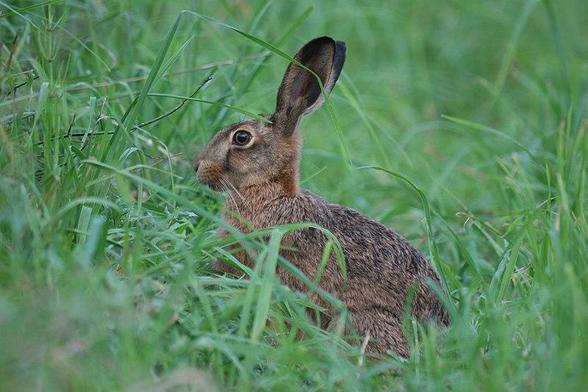
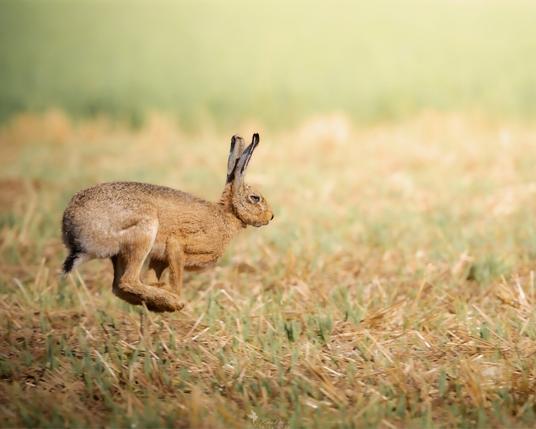
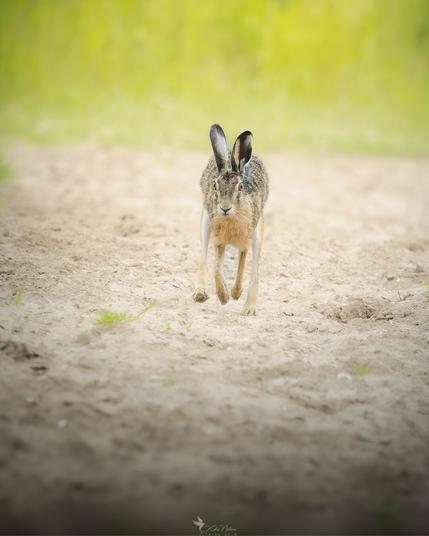
I was busy watching Butterflies when suddenly this Hare ran off on a field. This was my first ever Hare in Germany and even in my own city on a field I’ve been to, too often to count. I actually thought they don’t live there until this encounter.

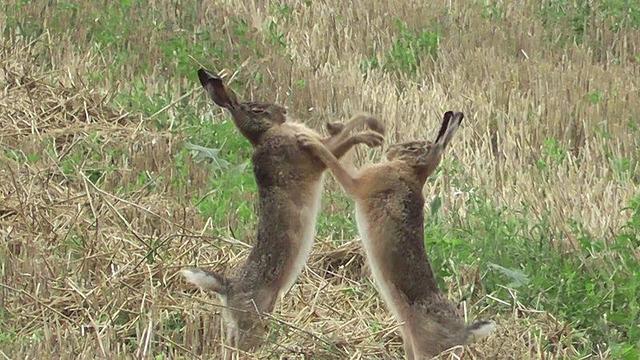
🇺🇸 The European hare (Lepus europaeus) is a fast and agile mammal native to open fields and meadows across much of Europe. It measures around 60 to 70 centimeters in length and weighs between 3 and 5 kilograms. Unlike rabbits, hares do not dig burrows but rely on speed and camouflage to evade predators. With powerful hind legs, they can reach speeds up to 70 km/h and leap great distances when startled. Most active during dawn and dusk, hares are shy creatures, feeding mainly on grasses, herbs, and crops. Spring is mating season, often marked by the famous “boxing” behavior seen between males and females. Despite their quiet nature, hares are an important part of Europe’s farmland wildlife.

🇩🇪 Der Feldhase (Lepus europaeus) ist ein flinker und scheuer Bewohner offener Landschaften, Wiesen und Felder in ganz Europa. Er wird etwa 60 bis 70 cm lang und wiegt zwischen 3 und 5 Kilogramm. Anders als Kaninchen gräbt der Hase keine Baue, sondern verlässt sich auf seine Tarnung und enorme Geschwindigkeit – bis zu 70 km/h! Besonders im Frühling ist das typische “Boxen” zu beobachten, wenn sich Männchen und Weibchen während der Paarung jagen. Feldhasen sind dämmerungsaktiv und ernähren sich hauptsächlich von Gräsern, Kräutern und Feldfrüchten. Sie sind ein faszinierender Teil unserer heimischen Tierwelt.

📍Bavaria

📷
ISO 320
Aperture: F/7.1
Shutter Speed: 1/1600

Comments and Story reshares are much appreciated

#nature #naturephotography #wildlifephotography #photography #wildlife #animalphotography #europeanwildlife #hare #lepus #feldhase #canon #canoneosr7 #geoleserfoto #animalsofinstagram #mammals #wildlife_perfection #wildwatchers #shotoncanon #wildlifelover #europeanhares
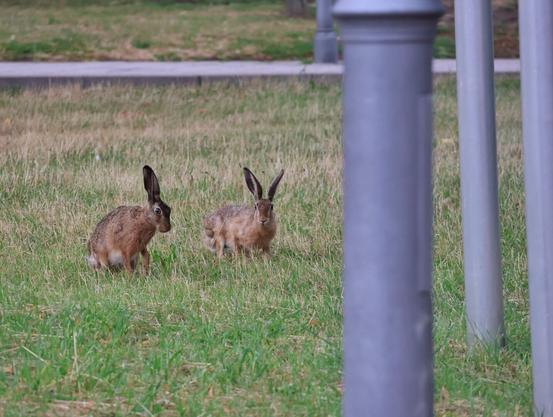
Hare today, gone tomorrow. One of a pair, as it turns out, of common hares that thought it could outdo our camera. Other footage we have shows them on the paving just in front of this camera, the first time we have seen a couple, as usually it has always been a single one that we spot, or that has photobombed our trail cam, or been surprised while we've been walking in the long summer grass in the garden. A surprise and a delight!
#Lepus
#hare
#auvergne
#massifcentral
#France
🇺🇸 The European hare (Lepus europaeus) is a fast and agile mammal native to open fields and meadows across much of Europe. It measures around 60 to 70 centimeters in length and weighs between 3 and 5 kilograms. Unlike rabbits, hares do not dig burrows but rely on speed and camouflage to evade predators. With powerful hind legs, they can reach speeds up to 70 km/h and leap great distances when startled. Most active during dawn and dusk, hares are shy creatures, feeding mainly on grasses, herbs, and crops. Spring is mating season, often marked by the famous “boxing” behavior seen between males and females. Despite their quiet nature, hares are an important part of Europe’s farmland wildlife.

🇩🇪 Der Feldhase (Lepus europaeus) ist ein flinker und scheuer Bewohner offener Landschaften, Wiesen und Felder in ganz Europa. Er wird etwa 60 bis 70 cm lang und wiegt zwischen 3 und 5 Kilogramm. Anders als Kaninchen gräbt der Hase keine Baue, sondern verlässt sich auf seine Tarnung und enorme Geschwindigkeit – bis zu 70 km/h! Besonders im Frühling ist das typische “Boxen” zu beobachten, wenn sich Männchen und Weibchen während der Paarung jagen. Feldhasen sind dämmerungsaktiv und ernähren sich hauptsächlich von Gräsern, Kräutern und Feldfrüchten. Sie sind ein faszinierender Teil unserer heimischen Tierwelt.

📍Netherlands

📷
ISO 2000
Aperture: F/7.1
Shutter Speed: 1/2000

Comments and Story reshares are much appreciated

#nature #naturephotography #wildlifephotography #photography #wildlife #animalphotography #europeanwildlife #hare #lepus #feldhase #canon #canoneosr7 #geoleserfoto #mammals #wildlife_perfection #wildwatchers #shotoncanon #wildlifelover #europeanhares
Urban Safari for #WildlifeWednesday and #WhiskersWednesday 🐰

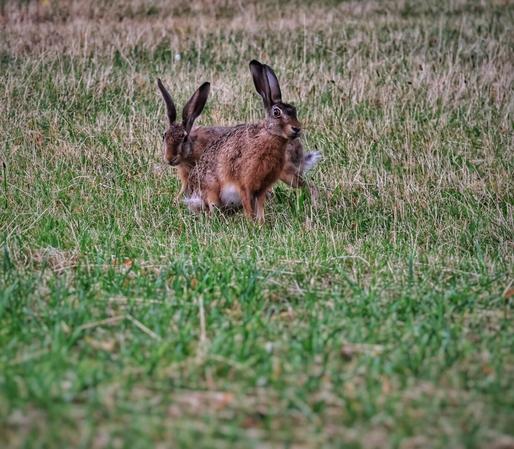
Behind #Magdeburg's biggest shopping centre and just outside #UnserLieberFrauen abbey turned art museum, I found these two #hares frolicking in the grass. There's quite a big #hare population in the city, but I've never had the chance to see them so close and take somewhat decent photos. And yes, they are hares, not rabbits!


#Hase #Hasen #Feldhase #Feldhasen #brownHare #EuropeanHare #Lepus #LepusEuropaeus #Tier #Tiere #Tierfotografie #animal #animals #Natur #nature #wildlife #animalPhotography #wildlifePhotography #urbanWildlife
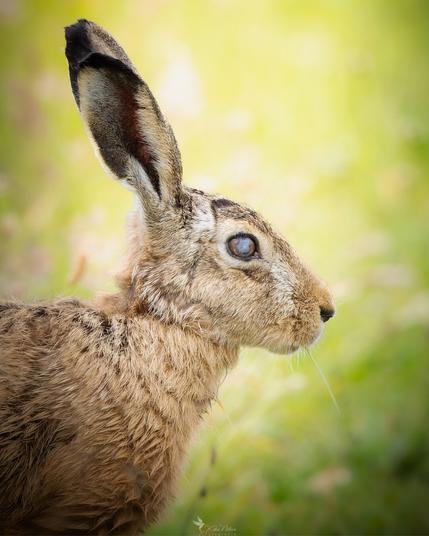
It was blind on one side so it was standing pretty close🥹💜

🇺🇸 The European hare (Lepus europaeus) is a fast and agile mammal native to open fields and meadows across much of Europe. It measures around 60 to 70 centimeters in length and weighs between 3 and 5 kilograms. Unlike rabbits, hares do not dig burrows but rely on speed and camouflage to evade predators. With powerful hind legs, they can reach speeds up to 70 km/h and leap great distances when startled. Most active during dawn and dusk, hares are shy creatures, feeding mainly on grasses, herbs, and crops. Spring is mating season, often marked by the famous “boxing” behavior seen between males and females. Despite their quiet nature, hares are an important part of Europe’s farmland wildlife.

🇩🇪 Der Feldhase (Lepus europaeus) ist ein flinker und scheuer Bewohner offener Landschaften, Wiesen und Felder in ganz Europa. Er wird etwa 60 bis 70 cm lang und wiegt zwischen 3 und 5 Kilogramm. Anders als Kaninchen gräbt der Hase keine Baue, sondern verlässt sich auf seine Tarnung und enorme Geschwindigkeit – bis zu 70 km/h! Besonders im Frühling ist das typische “Boxen” zu beobachten, wenn sich Männchen und Weibchen während der Paarung jagen. Feldhasen sind dämmerungsaktiv und ernähren sich hauptsächlich von Gräsern, Kräutern und Feldfrüchten. Sie sind ein faszinierender Teil unserer heimischen Tierwelt.

📍Netherlands

📷
ISO 800
Aperture: F/7.1
Shutter Speed: 1/800

Comments and Story reshares are much appreciated

#nature #naturephotography #wildlifephotography #photography #wildlife #animalphotography #europeanwildlife #hare #lepus #feldhase #canon #canoneosr7 #geoleserfoto #animalsofinstagram #mammals #wildlife_perfection #wildwatchers #shotoncanon #wildlifelover #europeanhares
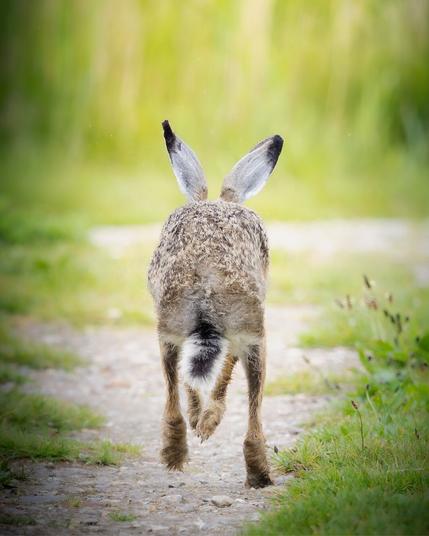
I always wanted to see a hare and holland made it possible :D they were there quite often!

🇺🇸 The European hare (Lepus europaeus) is a fast and agile mammal native to open fields and meadows across much of Europe. It measures around 60 to 70 centimeters in length and weighs between 3 and 5 kilograms. Unlike rabbits, hares do not dig burrows but rely on speed and camouflage to evade predators. With powerful hind legs, they can reach speeds up to 70 km/h and leap great distances when startled. Most active during dawn and dusk, hares are shy creatures, feeding mainly on grasses, herbs, and crops. Spring is mating season, often marked by the famous “boxing” behavior seen between males and females. Despite their quiet nature, hares are an important part of Europe’s farmland wildlife.

🇩🇪 Der Feldhase (Lepus europaeus) ist ein flinker und scheuer Bewohner offener Landschaften, Wiesen und Felder in ganz Europa. Er wird etwa 60 bis 70 cm lang und wiegt zwischen 3 und 5 Kilogramm. Anders als Kaninchen gräbt der Hase keine Baue, sondern verlässt sich auf seine Tarnung und enorme Geschwindigkeit – bis zu 70 km/h! Besonders im Frühling ist das typische “Boxen” zu beobachten, wenn sich Männchen und Weibchen während der Paarung jagen. Feldhasen sind dämmerungsaktiv und ernähren sich hauptsächlich von Gräsern, Kräutern und Feldfrüchten. Sie sind ein faszinierender Teil unserer heimischen Tierwelt.

📍Netherlands

📷
ISO 2500
Aperture: F/7.1
Shutter Speed: 1/2000

Comments and Story reshares are much appreciated

#nature #naturephotography #wildlifephotography #photography #wildlife #animalphotography #europeanwildlife #hare #lepus #feldhase #canon #canoneosr7 #geoleserfoto #animalsofinstagram #mammals #wildlife_perfection #wildwatchers #shotoncanon #wildlifelover #europeanhares