 Heliograph
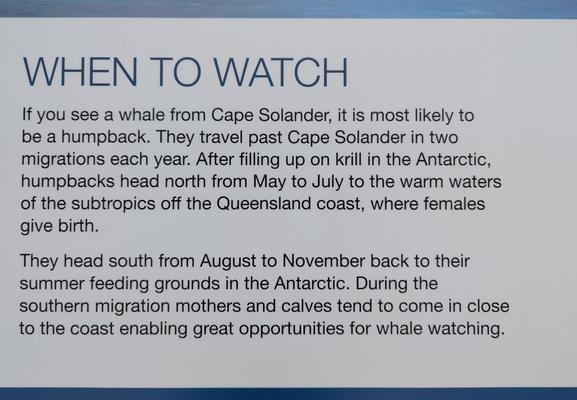

Entanglement and drowning of baby humpback in NSW
"‘Animal cruelty’: two-year-old humpback whale found dead in NSW shark net causes anger. Absolutely heartbreaking to see a baby humpback whale die like this, especially because its death was totally preventable. It is the first whale to have died out of 15 entangled in shark nets on Australia’s east coast so far this year."
>>
https://www.theguardian.com/environment/2025/oct/29/humpback-whale-calf-dies-off-nsw-coast-while-entangled-in-shark-net
#marine #wildlife #whales #humpbacks #traps #entanglement #drowning #mammals #OceanGoers #swimming #surfing #risks #sacrifice #NSW
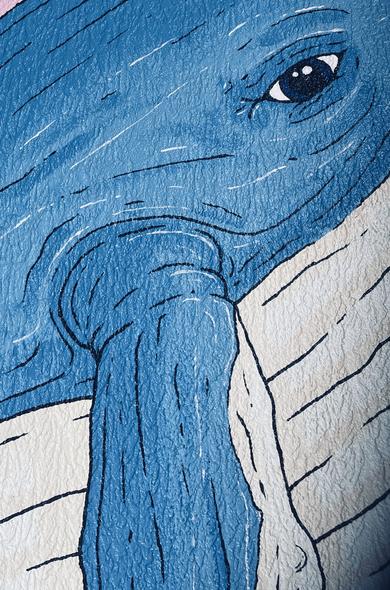
Once nearly wiped out by whaling, humpbacks are making a remarkable return to the Salish Sea. From “Big Mama” to new calves and songs that echo like human language, Salish Sea Sings Again celebrates resilience, recovery, and the whales’ vital role in our climate. https://watershedsentinel.ca/article/humpback-comeback

In a surprising discovery, a new study reveals that among seven species of baleen whales, only the humpback is capable of the high-performance turns required for its signature bubble-net feeding strategy. The research, led by recent University of Hawaiʻi at Mānoa graduate Cameron Nemeth, shows humpbacks use their unique pectoral flippers to achieve this maneuver, shedding new light on the biomechanics of this iconic feeding strategy.
We were warned! From September 2024. And now the #whales are falling silent!!! And #krill are dependent on whales as much as whales are dependent on krill!
#KrillHarvesting threatens #whale recovery
Soaring human demand for krill in the Southern Ocean poses a challenge to the recovery of whale species once hunted nearly to extinction. Stanford researchers identify the growing food conflict and offer solutions.
September 10th, 2024
"Human harvesting of krill in the Southern Ocean could threaten the recovery of whale species that were nearly wiped out by industrial whaling in the 20th century, according to a Sept. 10 study in Nature Communications.
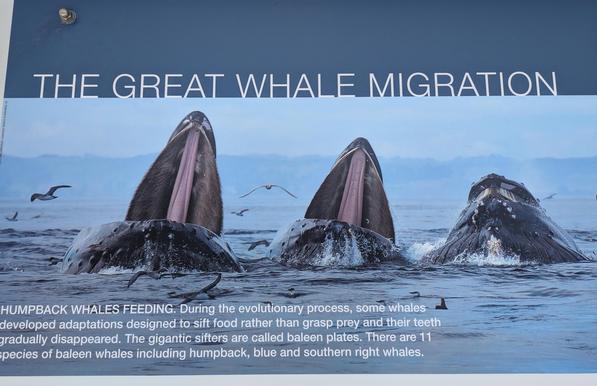
"The tiny, shrimp-like crustaceans known as krill are the essential food source for baleen whales such as blues and #humpbacks. To feed, these giant marine mammals take in great gulps of ocean water, filtering krill through bristly mouth structures. Booming demand for krill as #FishMeal and #omega3 fatty acid nutritional #supplements, however, could leave whales without enough victuals to sustain even their diminished numbers.
" 'Our calculations suggest an alarming possibility that we might harvest krill to the point where we do real damage to recovering whale populations,' said lead study author Matthew Savoca, a research scientist in the lab of Jeremy Goldbogen, associate professor of oceans in the Stanford Doerr School of Sustainability.
"The results highlight a need for scientists, regulators, and industry to carefully assess the impacts of krill harvesting in the Southern Ocean at current levels before expanding. 'With this study, we want to draw attention to how there likely isn’t enough krill to support fully recovered whale populations, and now on top of that, we’re harvesting krill and plan to harvest more krill in the near future,' said Goldbogen, the study’s senior author
.
Counting on krill
"The new research grew out of a prior Stanford study documenting how baleen whales gobble up significantly more krill than scientists had previously estimated. A paradoxical finding of that study was that, as whale populations plummeted by roughly 90% in the Southern Ocean during whaling’s grim heyday, so, too, did krill populations.
"The researchers worked out that #BaleenWhales effectively fertilize the ocean through their prodigious droppings, providing nutrients for the #phytoplankton that krill eat. The upshot: The krill population must have been much larger, perhaps five times greater, than it is currently to have sustained the pre-whaling whale populations in the early 20th century.
" 'Krill is the foundation of the entire Southern Ocean ecosystem. They’re really the only thing that large whales eat down there,' Savoca said.
"In the nearly 40 years since a global whaling moratorium went into place in 1986, some Southern Ocean species – particularly humpbacks – have made an impressive comeback. Yet this recovery has taken place against increasing competition with humans for the whales’ critical food source; over the past 30 years, the krill catch has quadrupled to around 400,000 tons annually and is set to expand further.
"Savoca and colleagues calculated how much krill is left in the Southern Ocean for baleen whales, seabirds, and other predators to eat after industrial krill harvesting at current rates, compared to the estimated amount of krill available before industrial whaling began. 'The basic math makes it pretty clear that the current krill biomass cannot support both an expanding krill fishery and the recovery of whale populations to pre-whaling size,' said Savoca."
Read more:
#SaveTheWhales #KrillSupplements #Overfishing #FoodChain #FoodIsLife #WaterIsLife #Whales #Extinction #BlueWhales
#Orcas attack and topple millionaire yachts. They are after obscene wealth & desire economic subversion & marine equality. #Humpbacks on the other hand take a more grassroots approach in their activism, standing for the small guys, irrespective of its identity or economic background. Technically it’s opposing methodologies, but theoretically they have similar outcomes — against coercive power and for collective action.
From: @paninid
https://mastodon.world/@paninid/114965444304822321

Attached: 1 image Humpback whales are crashing orca hunts – seemingly driven by an instinct to rescue other animals. It’s one of the ocean’s most unexpected mysteries: a seal is being hunted by a pod of killer whales… when out of nowhere, two humpback whales rush in, trumpeting, massive, and seemingly determined to stop the kill. (1/6)
Have a whale of a weekend, this evening in The Watershed:
https://www.lionsbaywatershed.ca/post/have-a-whale-of-a-weekend
#LionsBayWatershed #LocalNews #BritishColumbia #HoweSound #Nature #Humpbacks #LionsBay

Cetaceans and sun in the forecastHave a nature picture to share?Email [email protected] Like what you're reading?For as little as $5/month, you can support local independent journalismby subscribing to The Watershed HERE.
20-May-2025
Surprise baby #whale sightings reveal there’s still much to learn about #humpbacks
https://www.eurekalert.org/news-releases/1084310 #science #marineBiology #ecology #whales

Humpback whales are not always born in tropical waters, new research has shown – challenging long-held assumptions about their breeding and migration behaviours, while raising new questions for marine conservation.
 BellingenNSW
 Watershed Sentinel
 Benjamin Carr, Ph.D. 👨🏻💻🧬
 DoomsdaysCW
 Sarah Farooqui
 The Watershed
 michael
 Wildflowers4megan