And then there's #Russia...
30 years of #LGBTQ+ history in Russia: from #decriminalisation in 1993 to ‘#extremist’ status in 2023
Published: January 10, 2024
"In 2023, the “LGBTQ+ movement” in Russia was labelled as “extremist”. This marked the culmination of a troubling 30-year cycle from the decriminalisation of homosexuality in 1993, via the introduction of the “gay propaganda law” in 2013 through years of political and public discrimination against sexual minorities.
"The progression in the mistreatment of LGBTQ+ people in Russia has coincided with the progression of Putin’s regime, which has become more autocratic. The Russian supreme court’s recent judgment that the international LGBTQ+ community is an “extremist” movement represents a hybrid recriminalisation of homosexuality 30 years after the ban was removed.
"From now, on identifying as LGBTQ+ is hazardous in Russia as it can be interpreted as “participating in an extremist organisation”, which is a criminal offence. Essentially, we are back to the situation before 1993.
Before #Putin
Even back in 1993, the decriminalisation of homosexuality by Boris #Yeltsin’s government appears to have been something of a box-ticking exercise, required for joining the Council of Europe. The bill that decriminalised consensual sex between men was adopted without any public debate as part of a package of legislation.
"There was no official explanation of why it was being adopted, let alone why #homosexuality had been criminalised in the first place. Even Russia’s prison officers were not aware of the reform as there was no follow-up order to release inmates convicted of “sodomy”.
"While the change of law represented a step forward, there was no real attempt to bring the Russian public along with it. This meant that in most parts of Russia it failed to indicate any real social shift in attitudes. This lack of open dialogue allowed entrenched #homophobia to persist and social #stigma to endure.
"This absence of meaningful change resulted in rising prejudice that thrived in political discourse. The early 2000s saw an alarming surge in negative portrayals and hate speech against the LGBTQ+ community. And these emanated from the highest levels of government.
Homophobia under Putin
"In 2000s, different legal initiatives targeting LGBTQ+ people emerged, framed under the guise of “protecting morals”.
"In his 2017 study, Russian Homophobia from Stalin to Sochi, historian of Russia Dan Healey tracks the discourse surrounding this demonisation of sexual and gender minority movements with derogatory comments and baseless accusations against LGBTQ+ people. They have been variously branded as “seducers of children” and accused of “spreading HIV infection, moral vices, and the destruction of the nation”.
"Proposals to reinstate #Stalin’s 1934 ban on homosexuality were introduced in 2003, 2004 and 2006, reflecting a growing anti-LGBTQ+ sentiment at government level. While the bills were unsuccessful, they marked a disturbing shift as anti-gay rhetoric penetrated the government and set the stage for more restrictive measures in the years that followed.
"At first, some Russian regions (13 out of 83) adopted legislation that restricted LGBTQ+-related expressions in public between 2006 and 2013. This initiative was considered successful and in 2013 Putin’s government brought in the federal gay propaganda law. This turned out to be a watershed in the mistreatment of LGBTQ+ people.
"This law was ostensibly aimed at protecting minors from information that could “entice them into a homosexual lifestyle” (my translation of the language of the 2013 bill). In 2014 the constitutional court claimed that the ban was needed to protect the rights of minors and that it was proportionate, since it does not prohibit gay-related information completely.
"In reality the law worked as a blanket ban, restricting any neutral to positive expressions related to homosexuality. The cases when people were fined for “gay propaganda” varied greatly – from screening LGBTQ+-themed movies to wearing clothes with rainbow print, from providing psychological help to discussing homosexuality in public.
"The “protection of minors” was mere window dressing. The chairman of the constitutional court himself stated that “the legal meaning of this ban is not so much to solve the problem of promoting homosexuality among minors – but to outline an understanding of the deviating nature of this type of behavior”.
"In 2022 this false pretense was abandoned when the ban was extended to the “gay propaganda” among all citizens, not just minors. It also introduced bans on the “propaganda of pedophilia” and the “promotion of gender reassignment”, making it illegal for people to change their legal gender."
Read more:
https://theconversation.com/30-years-of-lgbtq-history-in-russia-from-decriminalisation-in-1993-to-extremist-status-in-2023-220569
#GayRights #LBTQI
 #NousToutes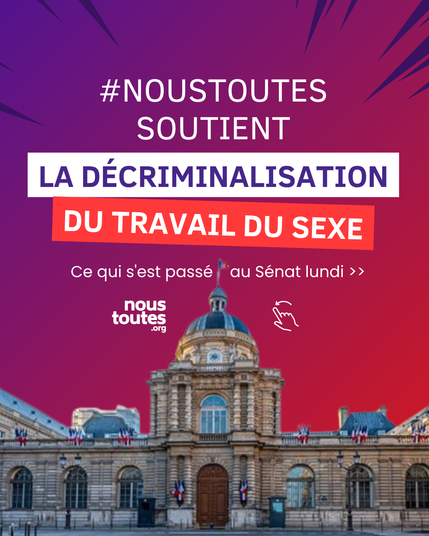
 Osna.FM
 Mathrubhumi English
 Strypey
 Xamanismo Coletivo
 Alex@rtnVFRmedia Suffolk UK
 Syndicat des immenses
 Susan Larson ♀️🏳️🌈🏳️⚧️🌈
 DoomsdaysCW