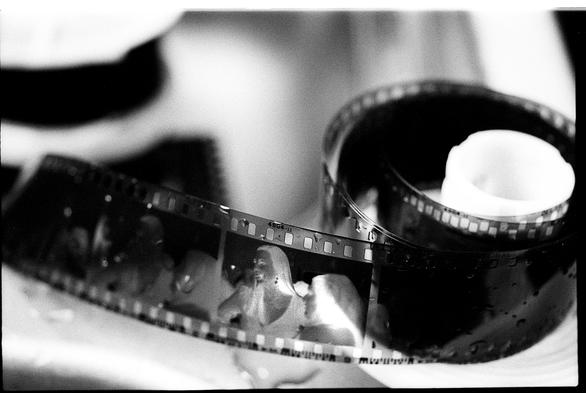
Film Prices are Skyrocketing – Shoot More Film!
Turn on any news station, any time of day, probably in any part of the world, and you'll hear about it. The prices on daily consumable goods are going up, up, up!
Photographic film is not immune to the global supply chain and inflation issues that are plaguing every industry. Kodak, Fuji, Lomography and others have announced steep price increases during the last two years, when film photography has been more popular than any other time in the last decade.
The knee-jerk reaction is to shoot less film. Sadly, some photographers are pledging to stop shooting it all together, as if that is going to help anything.
But I have a solution that may seem counterintuitive and reinstates, rather than reverses film photographers' commitment to the medium that we supposedly love.
Shoot MORE film.
No, I'm not saying "let them eat cake." And no, I'm not just here to reiterate the popular adage "shoot film stay broke."
I'm saying that now is a good time to make film photography a progressive and sustainable activity rather than a painful financial drain that hinders your creativity. Look, film is not going to get any cheaper to manufacture and distribute. In fact, during our lifetimes, film will likely only get more expensive and potentially more difficult to purchase. Not because of some grand stockholder conspiracy at Kodak and Fuji. But simply because the principles of mass production are working against this little niche industry of which photographers are a critical part.
The Snowball Effect
If film photographers shoot less film, manufacturers have no choice but to increase prices or discontinue products in order to offset their expenses and maintain a reasonable profit margin to continue business.
But worse, shooting less film, less often, will not help us to improve our film photography. Shooting and processing film is not like riding a bike in my experience. If you don't do it for a while, there is a lot to forget because so much relies on muscle memory and repetition. Additionally, there are changes in available products and aging that occurs to products and cameras that go unused for long periods. Even highly experienced shooters are bound to ruin a roll or two if they don't shoot and process regularly.
Film photography is a muscle - it must be exercised to stay fit!
Getting fewer enjoyable shots per roll is discouraging not only to individual photographers but fewer keepers also reduces the social and business presence of film photography as a whole. This inspires fewer people to take notice or participate in shooting film. So, with less people shooting less film, the outcome is an inevitable downward spiral.
However, if film photographers shoot more film, manufactures will be able to decrease prices or increase products because they can offset their expenses more easily and make a larger profit via volume sales.
What's great about this is that the more we shoot, the more we can improve our own film photography.
The more we work with a particular film, camera, lens, developer, and scanning or printing rig, the more we understand how everything works together and the more accurately we can hone our results and therefore, push envelops. This is precisely why there are so many amazing digital images in the world. Because digital shooters are not afraid to experiment and learn and keep growing, whereas so many modern film shooters are only burning a couple rolls a month and waiting even longer to process. How is that any way to keep improving?
As a result of more people shooting more film, more quality images will inevitably make it to social media and be used in business. This inspires more people to buy film products and services.
The Future Is Uncertain, But Here 's What We Can Do
I, nor film manufacturers themselves, can promise that shooting more film is going to result in lower costs, slow cost increases or increase product availability. But I can promise that over the long run, it's going to get harder to shoot film. Either because of a lack of quality, affordable film, affordable but working cameras, affordable processing or other hindrances brought on by a world that has largely moved away from photochemical. So why not do our best and most work now, when we still can?
Below, is a list of methods that I, and other successful film photographers use to pay for our film. (Yes, I consider myself reasonably successful) You don't have to agree with or practice all of them. Hell, you may find something inaccurate or incorrect about nearly everything I say. But these are just some recommendations, an attempt to offer practical solutions. I encourage you to come up with your own solutions and share them here and elsewhere. Let's control what we can control, instead of lamenting what we can't.
Sell Your Digital Equipment
You're a film photographer! What are you doing with digital cameras and related paraphernalia? Get rid of that stuff before someone sees you with it! In all seriousness, I'm not saying that if you shoot film, you can't shoot some digital too. But why not shoot less digital since everyone else does that anyway, and hock that old DSLR or p&s and any related cards, chargers or flash units etc that are going on used? Then use that money to buy some more film! Each time that I personally take a photo on my phone or digital camera, I ask myself, should or could I be taking this on film instead?
Sell Your Excess Film Equipment
Film photographers love to collect cameras and lenses. But are you a collector or a photographer first? If you can afford to be both, you probably don't have to worry about film prices. Anyone who's been shooting film for a long time has a camera or lens, or two, or twelve, that are sitting around unused. Maybe you really love them but they just aren't daily drivers. Consider sending them to someone who will put them back to use so you can offset some of your film expenses.
Stop Buying Cameras And Lenses
Recently I've seen alot of film photographers "upgrade" their vintage Nikkor lenses to new Voigtlander ones. One influencer in particular endorses doing so but also told me that he is shooting more digital than film now due to price increases on film. What about the hundreds of dollars difference in price to replace perfectly good lenses? Is it more important to make slightly sharper photos with new hobbyist lenses than to just keep using your old professional ones that you've been using? What if the result is a negative effect on film manufacturing as a whole? Nikkor vs. Voigtlander aside, do you really need a Leica? Or a 50/1.4 instead of a 50/2? Use what you have and like. Part of the cool thing about film is that $100 cameras and lenses are often just as capable of similar quality shots as $1000 cameras and lenses. Stop chasing the perfect lens or perfect camera. Start chasing the perfect shot. On film.
Write For An Established Photography Site
Have some opinions or insights you'd like to share? Maybe just the story of how you took some recent photos? Instead of just making lengthy social media posts that a few people might read, consider putting together some articles. Quality photography sites such as Kosmo Foto, Street Candy Film, and others reward photographers who provide original content for their sites with free film. Bigger sites sometimes pay guest bloggers also. Just ask around based on which pages you read. I like this ecosystem alot because writing about film and sharing your photos directly helps you take more, and helps everyone who is reading. Save film with film!
[ Sad news - shortly after I wrote this, Street Candy announced that it is pulling out of the film business, due to what? Increased film prices.]
Bulk Load Your Film
It costs a lot of money for film manufacturers to cut, package and distribute pre-loaded 35mm film canisters. It's better for the environment and your wallet to bulk load your own film. Manufacturers sell 100 foot rolls of their film that can be cut down and, using a bulk loading device, placed into reusable canisters at home. You can get about 18 rolls of 36 exposure 35mm per 100 foot reel and that works out for a few bucks less per roll than pre-loaded ones. Read all about bulk loading at 35mmc.
Process Your Own Film
Everything costs more when you pay someone else to do it for you. And while it's nice to go out to eat sometimes, if you're on a budget, nothing beats cooking your own meals at home. It's the same with film. It can cost $10 to $20 per roll of film for lab processing and scanning. This of course, is after the cost of the film and shipping. If you're doing paid work, absorbing lab costs may be fine. But for the average person, processing ones own film is many times more economical and educational. I don't want to call for a boycott on film labs because they are nice to have for work that we don't want to do at home for whatever reason. They also employ film photographers (hey, there's another way to earn film money!) But learning and getting good at home processing will drive your bottom line down significantly, while also teaching you a lot about how film works. And, if you find one set of products that you like and stick to them instead of constantly trying different ones, home processing is very straightforward and simple.
Shoot Cheaper Film Stocks
Rather than shoot digital, if you're going to change the look of your work in favor of price, why not try some cheaper stocks? Unless you're shooting a grey card at the head of each roll of Portra and having it scanned to exacting specifications by a professional colorist, you could just as easily get acceptable results from Kodak Gold or another cheaper, consumer grade film. Despite the atrophy of film manufacturing since the advent of digital photography, there are also quite a few lower budget films available from lesser know businesses like the aforementioned Kosmo Foto, Street Candy, Film Photography Project, Cinestill, Kentmere, Arista, Fomapan, Rollei, ADOX, AGFA, Silberra, KONO, Hitchcock, Yodica, Revolog/DubbleFilm, and probably others! What is your favorite budget film stock?
Price Shop For Film
It's important to buy film from reputable sources so you know that it is fresh and not mishandled prior to its arrival on your doorstep. But be sure to check out multiple websites for their current pricing. Don't just assume that one shop always has the best price on every film you shoot. Prices change on both film and shipping all the time. When I'm about to put in an order, I open four tabs in my web browser; B&H Photo, Film Photography Project, Adorama and Freestyle Photo. I load my cart up on each site with what I want to buy and get the totals with shipping for each store. I buy from whoever can get me what I need the cheapest. I'm on the East Coast so I often find that shipping is too expensive from Freestyle in California. But sometimes, they have great sales or my shops simply don't have enough film in stock to fill my order. Even with the free shipping that B&H offers on orders over $49, Film Photography Project is usually cheaper with ground or priority shipping. What are you favorite film shops?
Sell Your Film Waste
You might be surprised but some of the waste materials from shooting film can be sold and reused. Plastic 35mm film canisters and even the metal cans that hold the film, can be sold for craft projects and to bulk loading photographers on eBay. Same with 120 film spools. Incidentally, TheDarkroom.com donates these materials to Film Photography Project to package their new film in! If you're into chemistry, silver can be recovered from exhausted fixer and sold. I imagine that the plastic bottles that film chemicals come in can also be cleaned reused for non-consumable substances or home recycling. While all of these things are most profitable when collected and sold in bulk, they are items that most people have just been throwing away for years. Even if you can only make a few bucks off of some of them, that's one more roll of film and that much less waste in the landfill.
Get Your Cameras Professionally Serviced
If you want each of your photos to count, invest in your equipment to be sure it's working as best as it can. Service all your favorite and most used cameras and lenses. If you choose not to service something, consider why it's less of a priority and consider selling it. Don't buy more vintage cameras and lenses if you have no intention of servicing them. If all the equipment that you use is professionally serviced, that is that much less potentially wasted time and money on ruined shots and rolls. Sometimes you have to spend money to save money. Also, when reselling cameras, they usually sell for a higher price if you can show a recent service receipt.
Sell Your Film Photos Or Services
Not everyone wants to turn their passion into a business. And I completely get that. When someone begins to charge people money for things, the bar is raised. But you don't have to sell your soul in order to build a website and sell a print or two from time to time. Or set up a little booth at a local arts and crafts event. Or take some photos for some people who appreciate you. When I started doing paid photography, I charged next to nothing and had no business acumen (I'm still no expert!) My goal was simply to be reimbursed for the film I was shooting and to gain those experiences. Whatever you decide to do, it's always useful to have a website of work ready, in the event that someone approaches you about buying something. It's really gratifying to pay for ones photography habit with photography.
Wrapping Up
So what do you think? What are some of your personal tips on how to keep your film photography habit sustainable? Surely I haven't thought of everything, there's got to be more.
Are you going to resolve to shoot more film in the face of price increases? Don't forget that YOU are an important part of the ecosystem that all film photographers depend on. And yes, feel free to call me a wide-eyed idealist. I'm proud to be one.
*All photos in this blog were shot on fresh Kodak film and processed within a week or two, using fresh Kodak chemistry
Thanks for reading and happy shooting!
_Follow, Favorite, Like, Add, Insult, ContactJohnny Martyr _
#filmphotography #martyrmusings #tipstricksadvice #affordable #bulkload #buy #cameracollection #cameras #cheap #cheaper #collect #costoffilm #costofliving #covid #expense #film #filmphotographer #filmprices #hobby #howtopayforfilm #moreaffordable #priceoffilm #prices #profit #risingcosts #risingexpenses #sell #sellcameras #sellfilm #shootfilmstaybroke #shootmorefilm #shop #supplychain #sustainable #trade #war
 chris
chris
 Pussy Galore's Emporium
 Kristof Zerbe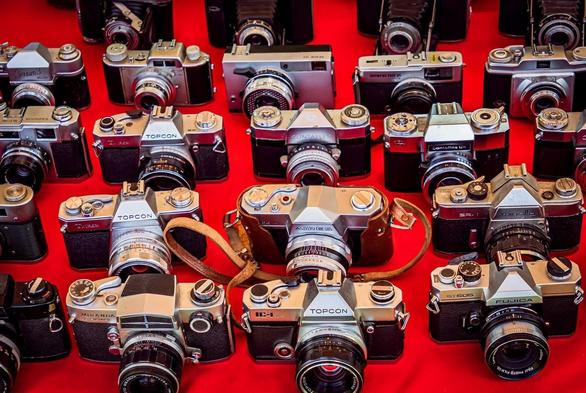

 Dave Roberts - Eryri Dave
 Teknikal_Domain
 random photo (unofficial)

 johnny martyr rss (unofficial)