 Thomas Cherryhomes
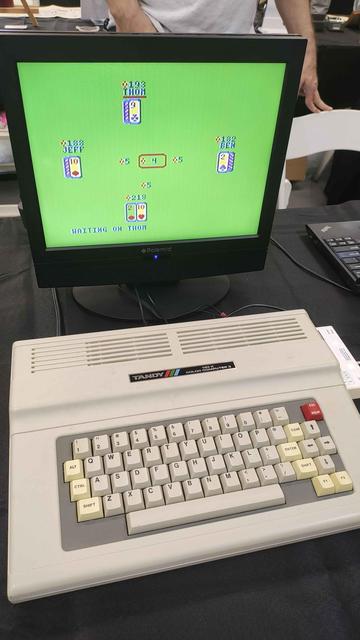
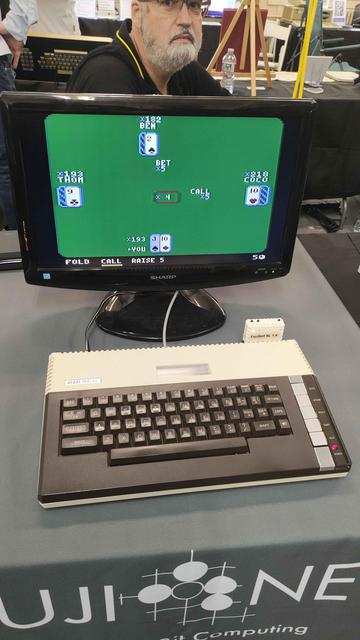
Fujitzee now available for #msdos #FujiNet users!
* Up to 6 players per room
* Available on:
- #Atari8bit
- #TRS80CoCo
- #Apple2
- #msdos
Now in the game lobby.
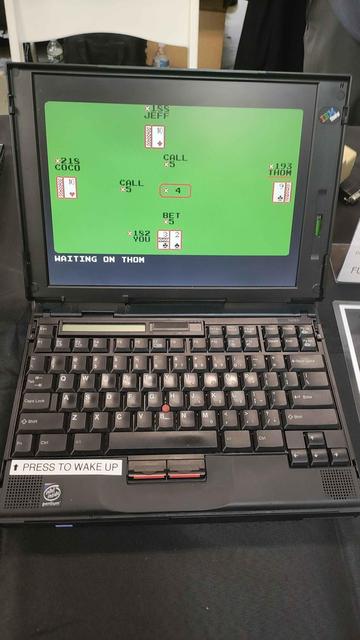
Fujitzee now available for #msdos #FujiNet users!
* Up to 6 players per room
* Available on:
- #Atari8bit
- #TRS80CoCo
- #Apple2
- #msdos
Now in the game lobby.
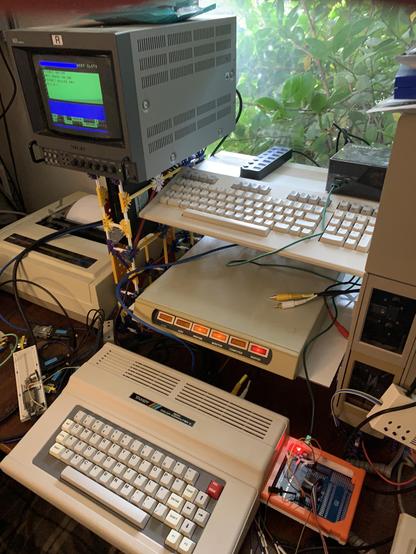
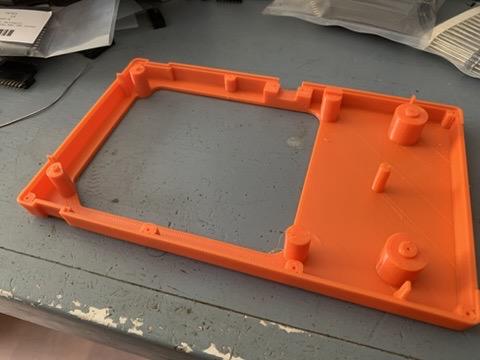
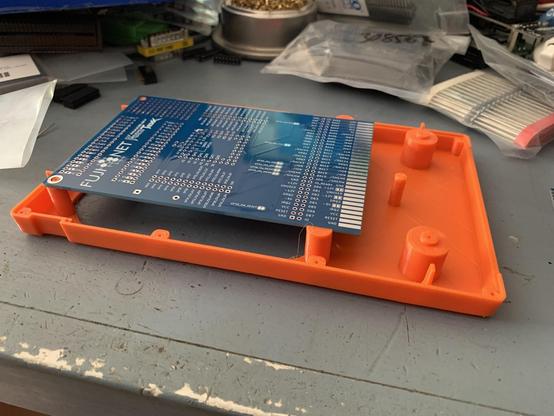
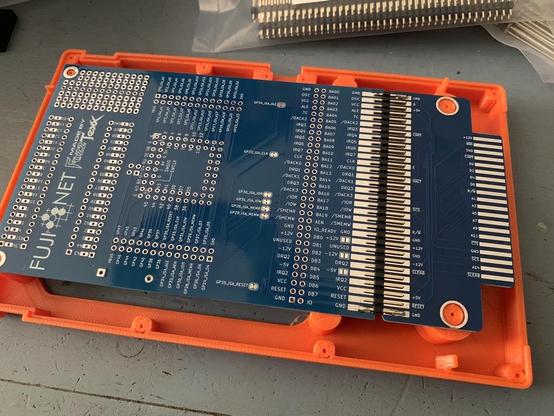
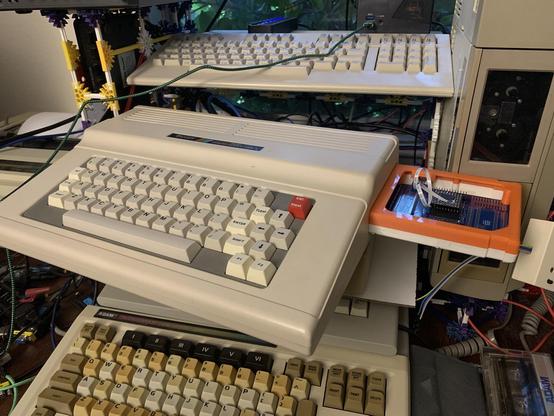
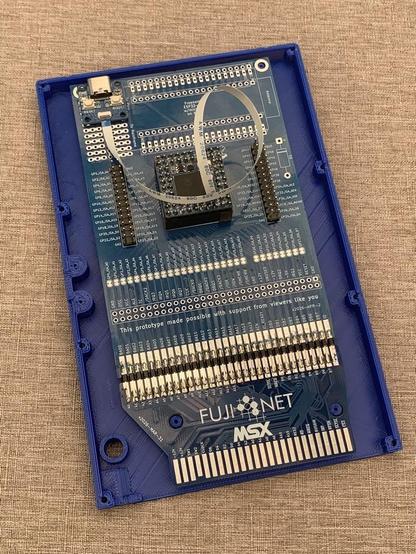
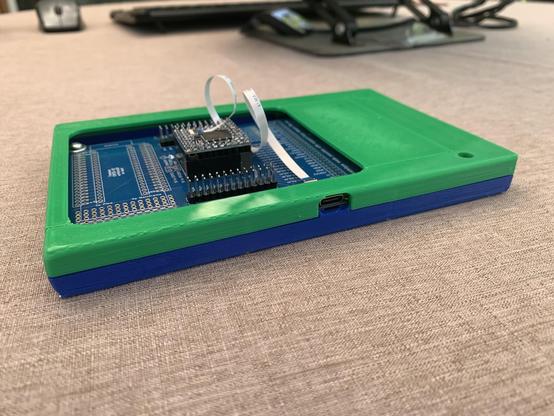
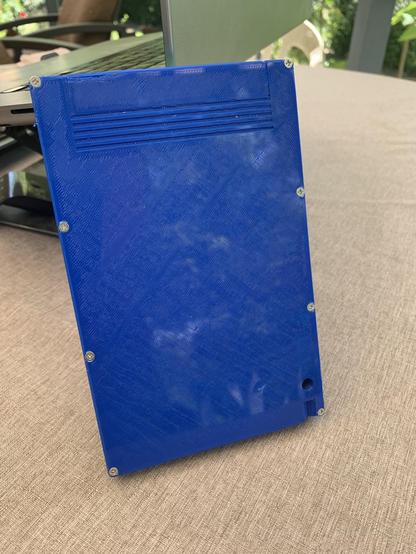
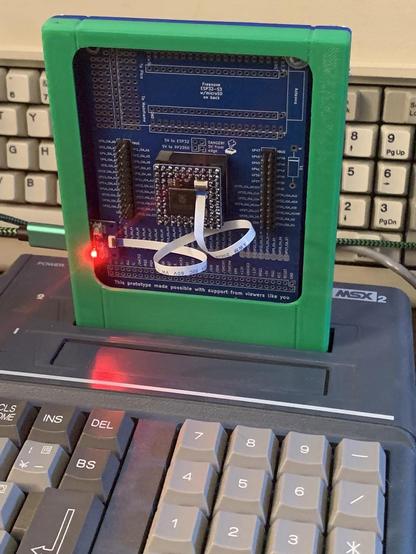
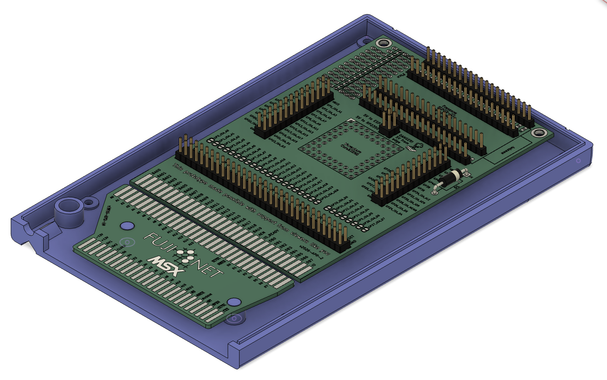
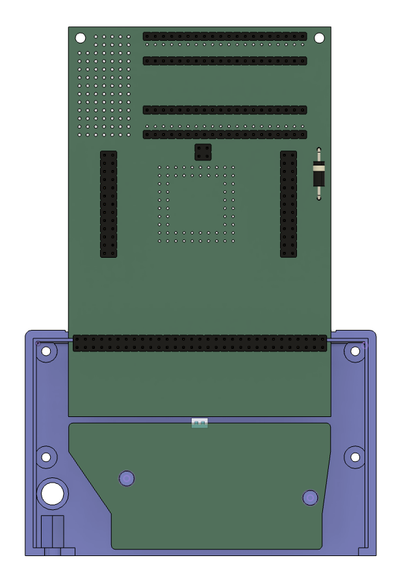
That took quite a lot of battling but I got the new #FujiNet proto board to come up on CoCo! I jumpered the pins for now to make it so all the GPIOs are in the lower 32bit window to make it easier to start from the PicoROM code.
#3DPrinted #KiCad #Fusion360 #MSX #RaspberryPiPico #TRS80CoCo #RetroComputing #VintageComputing #Electronics
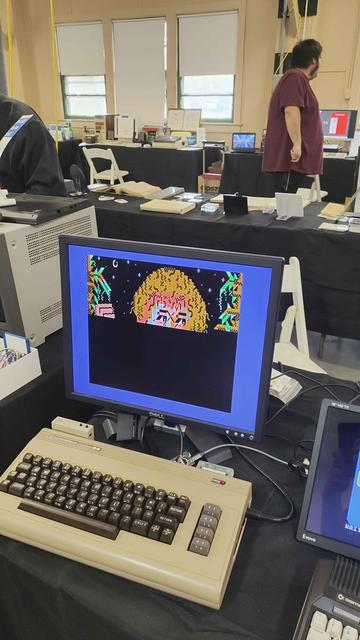
Tested various micros running this FLOATING POINT program. It derives Pi to 20 decimal places. Interesting stats.
1 N=20: L=INT(10*N/3): DIM A(255): Z$="000000":T$="999999"
2 FOR I=1 TO L: A(I)=2: NEXT I: M=0: P=0: FOR J=1 TO N: Q=0: K=2*L+1
3 FOR I=L TO 1 STEP -1: K=K-2: X=10*A(I)+Q*I: Q=INT(X/K): A(I)=X-Q*K: NEXT I
4 Y =INT(Q/10): A(1)=Q-10*Y: Q=Y: IF Q=9 THEN LET M=M+1: GOTO 7
5 IF Q=10 THEN PRINT STR$(P+1);LEFT$(Z$,M);: P=0: M=0: GOTO 7
6 PRINT STR$(P);LEFT$(T$,M);: P=Q: M=0
7 NEXT J:PRINT STR$(P)
#RC2014 : 14 (thank you JonV)
#BBCMicro : 19
#AmstradCPC : 22 (thank you Devlin)
#AmstradPCW : 23 (thank you Pete)
#AcornElectron : 25
#C128 : 27 (fast mode - thank you Jonas H)
#LuxorABC80 : 29 (thank you Erik)
#SharpMZ700 : 32 (thank you Tim Holyoake)
#VIC20 : 36
#AcornAtom : 37
#AppleII : 38 (thank you Jeroen)
#TRS80CoCo : 42 (thank you Chip)
#Atari800 : 42 (thank you Mark Elliott)
#CBMPET : 43
#C64 : 43
#Dragon32 : 44
#SharpMZ80K : 45 (thank you Tim Holyoake)
#C16 : 46
#Altair8800 : 52
#MSX : 53 (thank you Pixel Purrito)
#C128 : 56 (default "mode")
#ZX80 : 57
#ZXSpectrum : 68 (thank you Adam)
#SharpPC1500A : 167 (thank you Karttu)
#ZX81 : 213 (native slow mode)
#SharpPC1245 : 405 (thank you Karttu)
Edit: now ordered (seconds)
 FozzTexx
 Charles J Gervasi ⚡🛡️🥥
 electron.greg