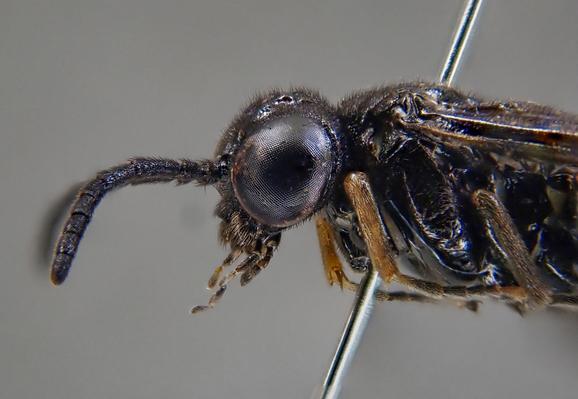
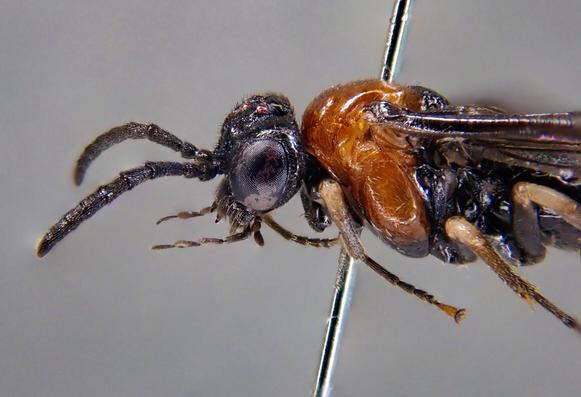
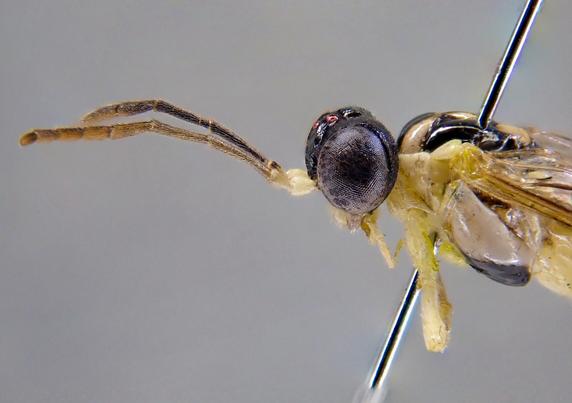
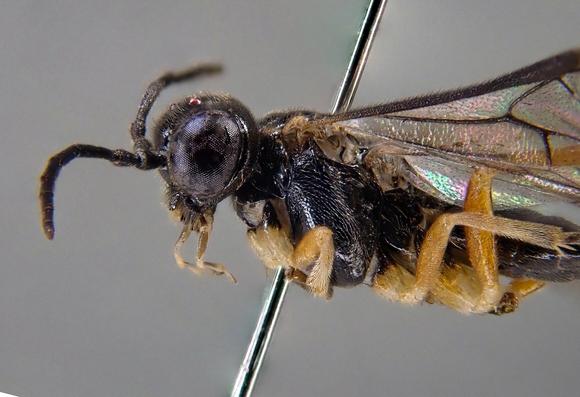
Another unusual insect: Tenthredo baetica (ssp. dominiquei), with only 118 observations world wide, of which 29 for this particular subspecies. It's a wasp – sort of: a sawfly.
The rear limbs are rather large, and I wonder why. For carrying prey?
https://www.inaturalist.org/observations/216752296
Wikipedia points out an interesting reversal: in the Tenthredo genus, the larvae eat plants while the adults prey on other insects. Whereas many typical wasps do the opposite: the adults sip nectar but hunt insects to feed their young. https://en.wikipedia.org/wiki/Tenthredo One wonders then what is this adult doing on a flower, engaging in motion patterns characteristic of foraging on nectar and pollen.
#iNaturalist #Hymenoptera #Symphyta #sawflies #wasplove #entomology #insects
 Ryan Hodnett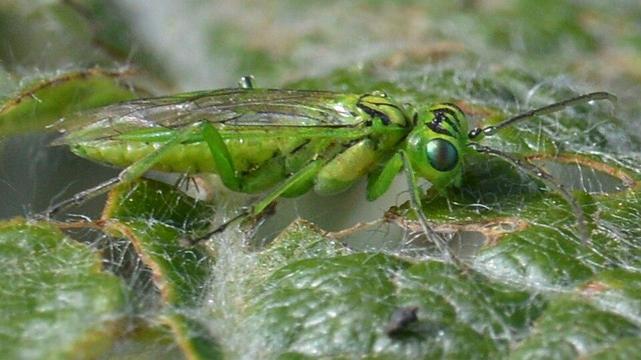
 Colin Purrington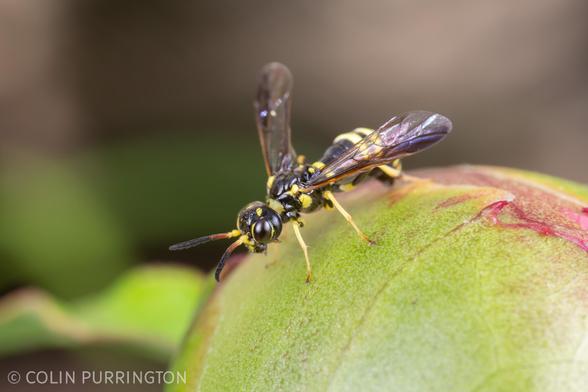
 Alex Wild
 Gaël Covain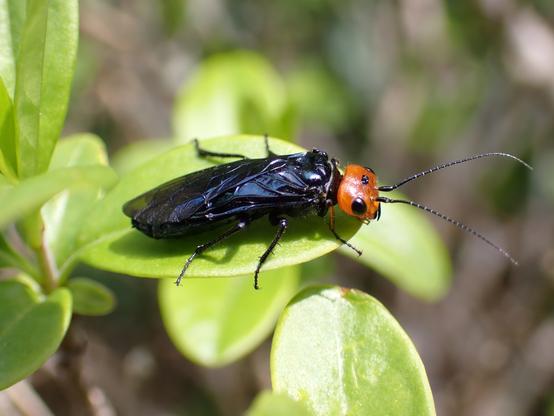
 pawel
pawel


 Albert Cardona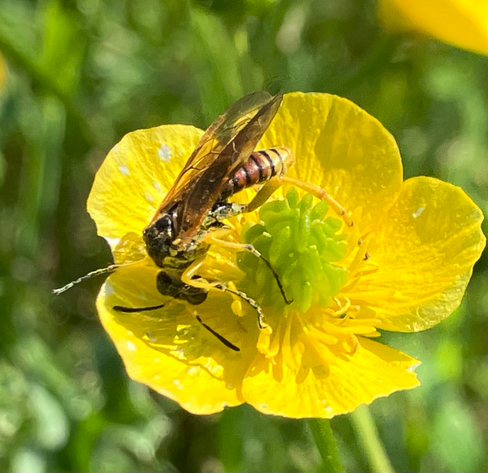

 lenahallesaale
 Sam Thomas