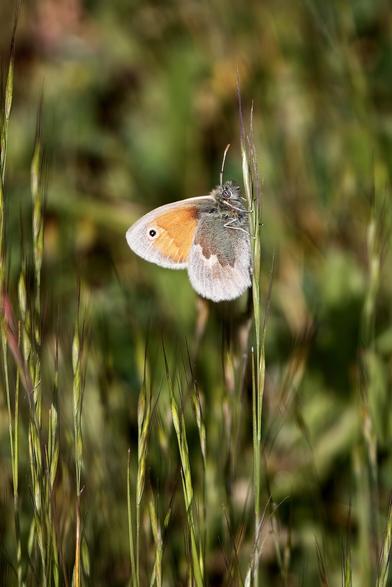
Coenonymphia pamphilus ensuring their continuous dominance over this abandoned path.
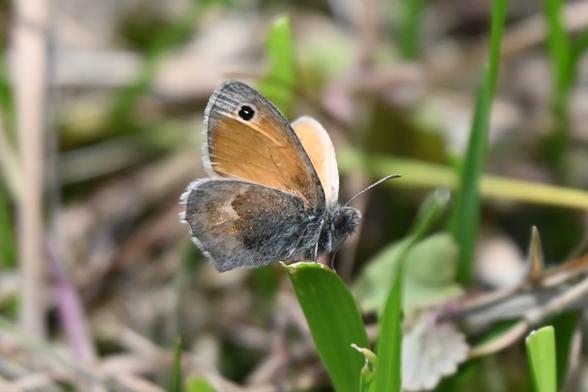
#lepidoptera #butterflies #smallheath #germany #canoneos700dClose-up view of a Small Heath Butterfly, photographed at Llanymynech Rocks towards the end of May. Related to the Meadow Brown, Gatekeeper and other 'Browns' this is the smallest member of that family (wing span 34-38mm) and can be found in grasslands and other habitats where fine grasses grow.
More info from Butterfly Conservation: https://butterfly-conservation.org/butterflies/small-heath
#Butterfly #Butterflies #SmallHeath #Insects #Nature #NaturePhotography #Wildlife #WildlifePhotography
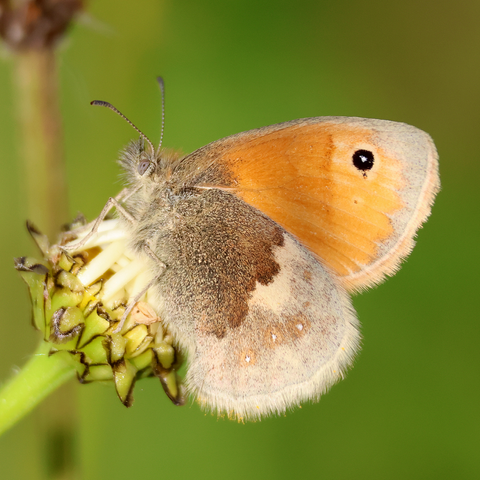
Small Heath
The Small Heath is an inconspicuous butterfly that flies only in sunshine and rarely settles more than a metre above the ground. Its wings are always kept closed when at rest. The underside of the forewing has an eyespot at the tip. Hindwing banded with brown, grey and cream. The number of broods and the flight periods are variable and adults may be seen continuously from late April to September on some sites in southern England. This relatively widespread butterfly can occupy a range of habitat types and, although its range has changed little, many colonies have disappeared in recent decades. Widespread in Britain and Ireland. Size and Family Family: Browns Size: Small Wing Span Range (male to female): 34-38mm Conservation Status Butterfly Conservation priority: High Section 41 species of principal importance under the NERC Act in England Listed on Section 7 of the Environment (Wales) Act 2016 Northern Ireland Priority Species UK BAP status: Priority Species (research only) European status: Not threatened Caterpillar Foodplants Fine grasses, especially fescues (Festuca spp.), meadow-grasses (Poa spp.), and bents (Agrostis spp.). Lifecycle Habitat Occurs on grassland where there are fine grasses, especially in dry, well-drained situations where the sward is short and sparse. Typical habitats include; heathland, downland and coastal dunes, but it is also found on road verges, moorland and in woodland rides. Distribution Countries: England, Scotland, Ireland and Wales Found throughout Britain and Ireland Distribution Trend Since 1970’s = -57%
OpenStreetMap
OpenStreetMap is a map of the world, created by people like you and free to use under an open license.
 Stefan Westphal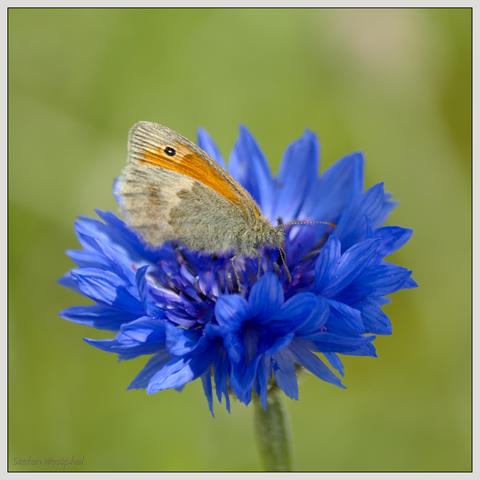
 leakyBrainz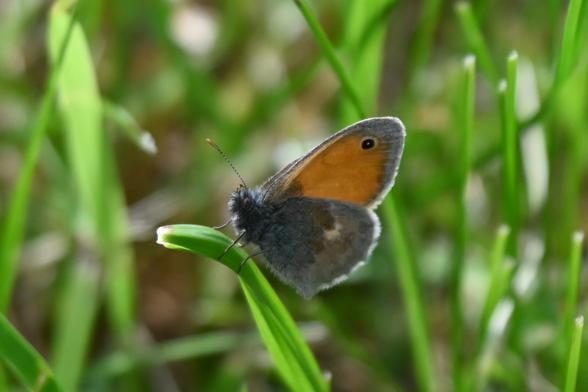
 NB 🌙
NB 🌙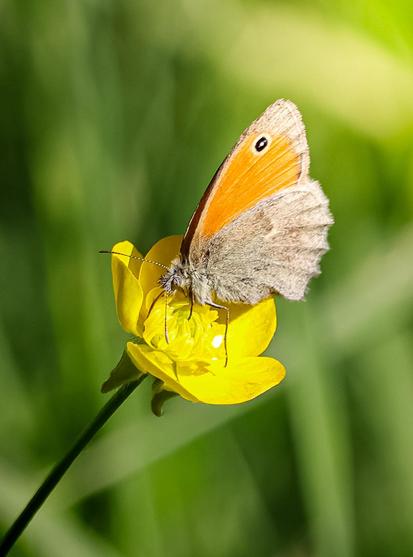
 Smartphone Photographer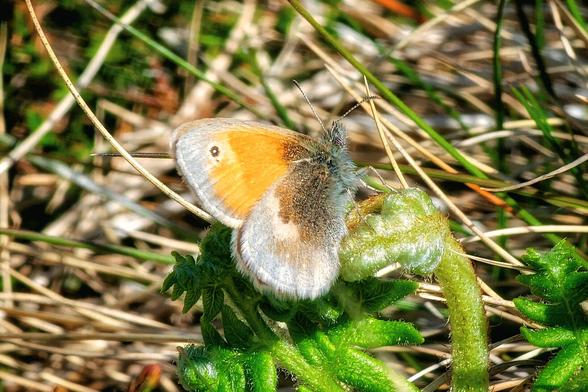
 Bas
Bas
 Magdalena
 Nature with Steve
 narrowbotr
 Jonny Clark