Not all fruits and vegetables are equal when it comes to heart health, our research shows | The-14

Research shows fruits and vegetables vary in heart health benefits, with flavanols playing key role. Five-a-day may not guarantee optimal bioactive intake.

The-14 Pictures

So if you've not seen yesterday's video please check out "Veganism: Not Just For the Super Rich". Where I dispel the myth that veganism or the plant based diet is not a diet or philosophy for the super rich. We need to stop this misinformation and always challenge it

https://www.youtube.com/watch?v=fulSuBOvQng

#Vegan #PlantBasedDiet #Misinformation #FakeNews #Privilege

Veganism: Not Just For the Super Rich

YouTube

Ok I finally got this video edited. Check out "Veganism: Not Just For the Super Rich".

There is a lot of misinformation regarding veganism / plant based diet being something reserved for the super rich or privileged.

https://www.youtube.com/watch?v=fulSuBOvQng

#Vegan #PlantBasedDiet #Privilege #EatInADay

21 Vegan Recipes for Veganuary - Join Your Life

Simplify your diet with 30+ easy, beginner-friendly vegan recipes! From hearty soups and budget-friendly meals to quick no-bake desserts, we have your plant-based meal plan covered.

JoinYourLife4U

Plant-Based Diet Linked to Reduced Weight Gain in Midlife Women During Menopause

📰 Original title: Scientists pinpoint best diet to help midlife women avoid weight gain

🤖 IA: It's not clickbait ✅
👥 Users: It's not clickbait ✅

View full AI summary: https://en.killbait.com/plant-based-diet-linked-to-reduced-weight-gain-in-midlife-women-during-menopause.html?utm_source=mastodon_world&utm_medium=social&utm_campaign=killbait.mastodon_world

#nutrition #menopause #plantbaseddiet #weightmanage...

Plant-Based Diet Linked to Reduced Weight Gain in Midlife Women During Menopause

A new study led by researchers at Harvard Medical School suggests that midlife women can reduce weight gain during menopause by following a plant-based diet. The research monitored 38,283 American nurses, with an average age of 45.6, over 12 years, tracking their diets, physical activity, and health markers. Women following diets rich in fruits, vegetables, legumes, and whole grains, and low in red and processed meats, salt, and ultra-processed foods, gained significantly less weight compared to those with diets high in meat, potatoes, and processed snacks. On average, women in the study gained 1.7 pounds per year, while those adhering to the plant-focused diet gained only 0.6 pounds per year, resulting in about 7.5 pounds less over the study period. The study also highlighted that such diets can reduce the risk of obesity and chronic diseases like type 2 diabetes, heart disease, stroke, and cancer. Researchers emphasized incorporating these dietary strategies into routine midlife care to optimize long-term cardiometabolic health. The NHS also recommends regular exercise, stress reduction, limited caffeine and alcohol intake, and monitoring for underlying health issues such as thyroid problems, while clarifying that hormone replacement therapy (HRT) does not cause long-term weight gain.

KillBait

Plant-Based Diet Linked to Reduced Weight Gain in Midlife Women During Menopause

📰 Original title: Scientists pinpoint best diet to help midlife women avoid weight gain

🤖 IA: It's not clickbait ✅
👥 Users: It's not clickbait ✅

View full AI summary: https://en.killbait.com/plant-based-diet-linked-to-reduced-weight-gain-in-midlife-women-during-menopause.html?utm_source=mastodon_social&utm_medium=social&utm_campaign=killbait.mastodon_social

#nutrition #menopause #plantbaseddiet #weightmana...

Plant-Based Diet Linked to Reduced Weight Gain in Midlife Women During Menopause

A new study led by researchers at Harvard Medical School suggests that midlife women can reduce weight gain during menopause by following a plant-based diet. The research monitored 38,283 American nurses, with an average age of 45.6, over 12 years, tracking their diets, physical activity, and health markers. Women following diets rich in fruits, vegetables, legumes, and whole grains, and low in red and processed meats, salt, and ultra-processed foods, gained significantly less weight compared to those with diets high in meat, potatoes, and processed snacks. On average, women in the study gained 1.7 pounds per year, while those adhering to the plant-focused diet gained only 0.6 pounds per year, resulting in about 7.5 pounds less over the study period. The study also highlighted that such diets can reduce the risk of obesity and chronic diseases like type 2 diabetes, heart disease, stroke, and cancer. Researchers emphasized incorporating these dietary strategies into routine midlife care to optimize long-term cardiometabolic health. The NHS also recommends regular exercise, stress reduction, limited caffeine and alcohol intake, and monitoring for underlying health issues such as thyroid problems, while clarifying that hormone replacement therapy (HRT) does not cause long-term weight gain.

KillBait
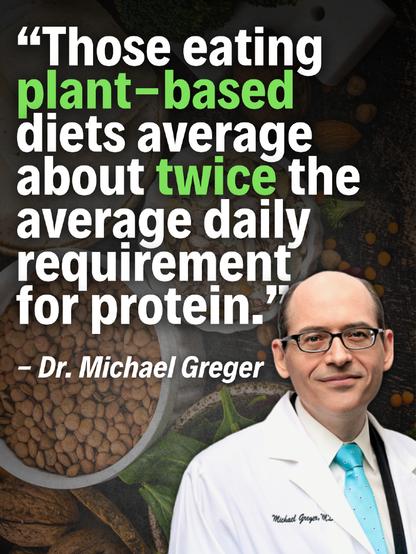
There’s absolutely no need to rely on animal products for protein. 🙌 💬 michaelgregermd (IG) #protein #nutrition #plantbaseddiet