 ResearchBuzz: Firehose
This launched at the end of March but I missed it until now. WIPO: New WIPO Lex Collection Brings Trade Secrets Case Law into Focus. “The World Intellectual Property Organization (WIPO) has launched the WIPO Lex Trade Secrets Case Law Collection, a new online resource designed to improve access to judicial decisions relating to trade secret protection across jurisdictions.”
https://rbfirehose.com/2026/05/17/wipo-new-wipo-lex-collection-brings-trade-secrets-case-law-into-focus/
 The Japan Times
To reduce its reliance on Enhertu ahead of the cancer treatment's patent expiry, Daiichi Sankyo is betting on a new wave of antibody-drug conjugates to expand its oncology business. https://www.japantimes.co.jp/business/2026/05/12/companies/daiichi-sankyo-new-cancer-drugs/?utm_medium=Social&utm_source=mastodon #business #companies #daiichisankyo #health #pharmaceuticals #medicine #patents
 GMWatch
The food retailers call for a return to the European Parliament’s original position. To protect consumers and farmers, the Parliament had originally called for:
▪️mandatory labelling and traceability for all NGT products
▪️effective protection against #patents on plants and #seeds
▪️mandatory labelling and traceability for all NGT products
▪️effective protection against #patents on plants and #seeds

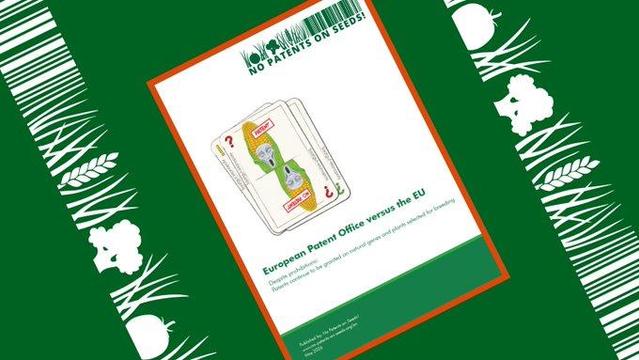
🌱🌽Patents on Seeds: European Patent Office vs. the EU - New report documents how the European Patent Office circumvents current laws. In the new GMO (NGT) deregulation debate, the European Parliament has to maintain it's demand for a ban on #patents on #seeds! Vote scheduled in May. Press release from No Patents On Seeds: https://www.no-patents-on-seeds.org/en/report-KWS-maize
 Mickai
📡 New post:
Autonomous AI agents have a trust problem nobody is fixing. Here is what sovereign agency actually looks like.
Today
https://mickai.co.uk/articles/sovereign-autonomous-ai-agents-the-real-trust-gap
#sovereign-ai #autonomous-agents #ai-governance #mickai #patents
Autonomous AI agents have a trust problem nobody is fixing. Here is what sovereign agency actually looks like.
Today's autonomous agents can wipe your inbox, move your money, and rewrite your files with no signed record of who told them to and no way to undo what they did. Vendor cloud is the trust root, and that trust root is the breach. Sovereign agents need typed actions, hardware-attested gates, dry-run simulation, compensating rollback, and a signed decision lineage. Mickai has filed the patents.
 Thoughtful Disclaimer
The Quiet Genius Behind the Screw in Your Wall
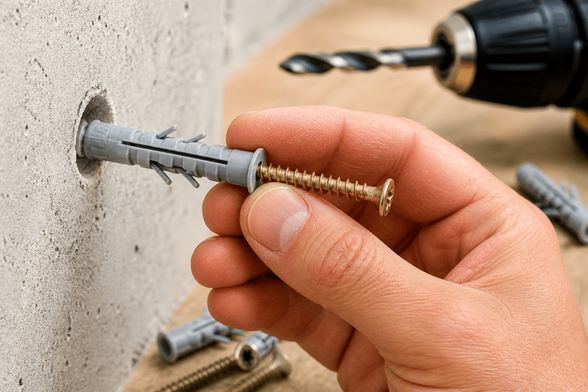
A nylon wall plug expands inside a drilled hole to secure a screw—an everyday application of Artur Fischer’s iconic inventionDear Cherubs, you probably haven’t heard of Artur Fischer, but your walls definitely have. If modern life had a backstage crew, he’d be running the entire show with a toolbox and a suspicious number of patents.
NOT ALL HEROES WEAR CAPES
Fischer’s most famous invention is the nylon wall plug, patented in 1958. It sounds underwhelming until you realize it solved a universal headache: how to hang things on walls without everything crashing down five minutes later. According to the German Patent and Trade Mark Office, this small plastic insert expands inside a drilled hole, gripping screws firmly in materials like brick or concrete. Translation: your shelves, TVs, and questionable DIY projects owe him everything.
Before this, attaching anything to a wall was basically a gamble. Fischer’s plug turned guesswork into engineering. It’s now so standard that most people don’t even think about it—like Wi-Fi or gravity, just assumed to work.
But he didn’t stop there. He also developed chemical anchoring systems, which sound like something from a sci-fi film but are actually used in heavy-duty construction. These systems use resin to secure bolts in place, making them essential for bridges, tunnels, and structures where “falling apart” isn’t an option. As reported by engineering sources, these anchors can handle extreme loads and are still widely used today.
FLASH, BUT MAKE IT PRECISE
Before conquering the construction world, Fischer made a name in photography. In 1949, he patented a flash synchronization system that ensured a camera’s flash fired at exactly the right moment when the shutter opened. According to historical records from Leica Camera, this innovation dramatically improved low-light photography. No more half-lit faces or ghostly blurs—just properly timed, crisp images.
It’s one of those inventions that quietly became essential. Every modern camera system owes a nod to that precise timing breakthrough, even if no one’s sending thank-you notes.
Fischer also ventured into education with fischertechnik, a line of construction kits designed to teach engineering concepts. Think Lego, but with a stronger focus on mechanics, physics, and future careers. These kits are still used in schools, helping kids build everything from simple machines to robotic systems.
What makes Fischer interesting isn’t just the volume of his patents—often cited as over 1,100 according to multiple sources—but the practicality of them. He didn’t chase flashy ideas; he fixed everyday problems. The kind you only notice when they go wrong.
Low-key, that’s the real flex. While others were dreaming big, Fischer made sure your shelf stayed on the wall.
For more deep dives into clever inventions and overlooked innovators, you can explore thisclaimer.com or check out the YouTube channel Thisclaimer for additional insights and breakdowns.
Sources list:
German Patent and Trade Mark Office — https://www.dpma.de/english/our_office/publications/milestones/arturfischer/index.html
Encyclopaedia Britannica — https://www.britannica.com/biography/Artur-Fischer
Leica Camera History — https://www.leica-camera.com/en-int/Leica-History
thisclaimer.com — https://thisclaimer.com
YouTube Thisclaimer — https://www.youtube.com/@thisclaimer?sub_confirmation=1

 sayzard
Rohan Paul (@rohanpaul_ai)
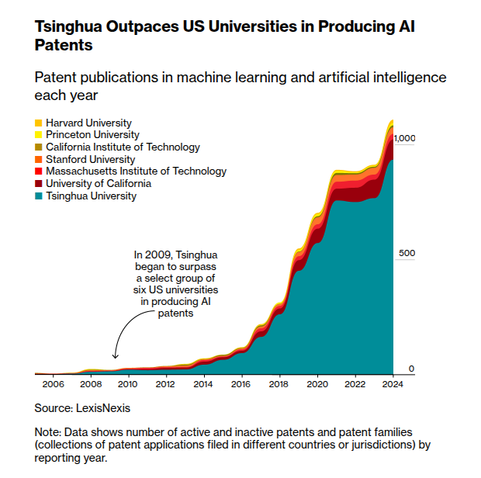
칭화대의 AI 특허 출원 수가 하버드·MIT·스탠포드의 합계를 넘어섰다는 내용이다. 중국 최고 수준 대학의 AI/머신러닝 특허 활동이 미국 주요 대학 대비 훨씬 큰 규모로 이어지고 있으며, 그 격차가 10년 넘게 확대되고 있다고 전한다.
Rohan Paul (@rohanpaul_ai) on X
🇨🇳 China's Tsinghua’s AI patent count now exceeds Harvard, MIT, and Stanford combined. Tsinghua has been filing AI and machine learning patents at a completely different scale than top United States universities for well over a decade, and the gap keeps getting wider. Tsinghua
 Glyn Moody
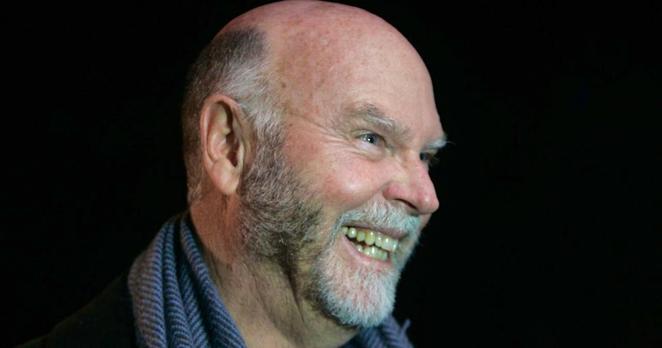
US genetic pioneer Craig #Venter has died
- https://www.bluewin.ch/en/news/us-genetic-pioneer-craig-venter-has-died-3213036.html venter was undoubtedly a giant of genomics, just not a very good giant #patents
- https://www.bluewin.ch/en/news/us-genetic-pioneer-craig-venter-has-died-3213036.html venter was undoubtedly a giant of genomics, just not a very good giant #patents
 Walled Culture
Welcome to the future, where AI agents hunt down alleged online copyright infringement
As readers of this blog have doubtless noticed, the latest hot tech – and investment – area involves “agentic AI”, where AI systems are allowed to operative autonomously on allocated tasks. There’s no doubt there are some exciting possibilities here, as well as some troubling issues concerning lack of control. It’s a rapidly-evolving area of research and experimentation, which makes […]
#agenticAi #agents #ai #ceaseAndDesist #crawler #digitalWatermarks #infringement #licensing #llms #patents #pricing #takedowns #universalMusicGroup https://walledculture.org/welcome-to-the-future-where-ai-agents-hunt-down-alleged-online-copyright-infringement/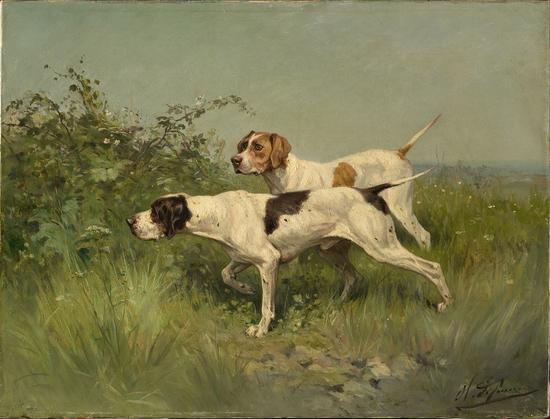
 J. Matt Buchanan
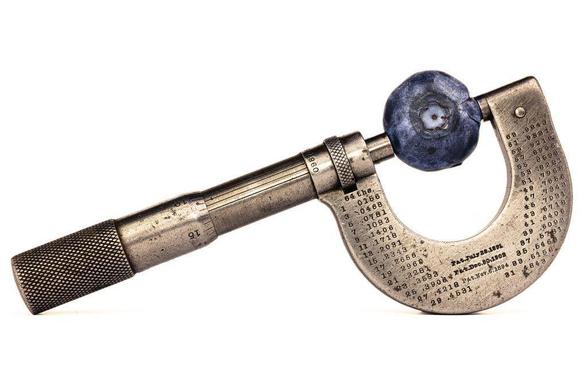
Measured Ripeness
This is one from a long-running photography project of mine - photos of patent markings. I took this one in a bit of a hurry after finishing some others with a different item, and liked this one the best.