 biohacks
 Fast Company
5 athlete-mindsets to unlock your full potential
https://www.fastcompany.com/91564051/5-athlete-mindsets-unlock-your-full-potential
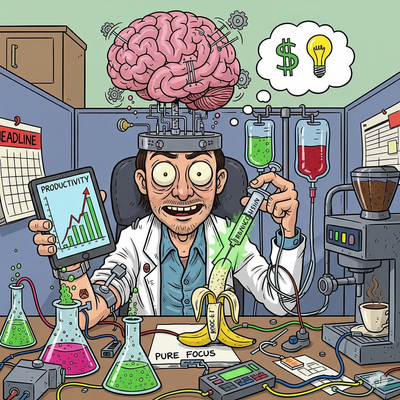
A few things that mess it up: checking your phone during the break (that's not a break), skipping this when you're cramming, and just sitting there after you look away.
Do this consistently and you'll notice fewer afternoon headaches, a calmer nervous system, and better recall when you're studying.
#Biohacking #EyeStrainRelief #DeskJobSurvival #Productivity #Focus #BreakStrategy #Wellness #WorkplaceWellness #Performance #Recovery (2/2)
5 athlete-mindsets to unlock your full potential
https://www.fastcompany.com/91564051/5-athlete-mindsets-unlock-your-full-potential
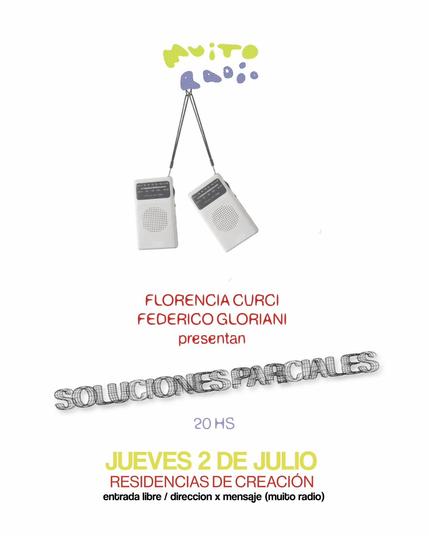
Soluciones Parciales: performance sonora en Muito radio
Muito radio, jueves, 2 de julio, 18:00 GMT-3
Presentamos por segunda y última vez 👀 la performance de Flor Curci (@f.kurch) y Fede Gloriani (@fedeglorian), una reunión tan inédita como necesaria para el campo internacional de las telecomunicaciones﹙˓ᯤ˒﹚ Con un delicadísimo diseño sonoro, Soluciones Parciales es el resultado de una exploración como parte del programa de residencias de creación de muito.
Además, desde las 18.00 hs el grupo de investigación @posnaturalismos presenta el fanzine Composición progresiva para un mundo común, realizado en colaboración con Pedro Sartorio, a partir del libro Políticas de la naturaleza de Bruno Latour.
Entrada libre y gratuita > Bar abierto desde las 18.00 hs;
💌 dirección x mensaje privado al instagram de @muitoradio
capacidad limitada (っ˶ ˘ ᵕ˘)
Transmisión en vivo y en directo en muitoradio.com
https://vagancio.partidopirata.com.ar/event/soluciones-parciales-performance-sonora-en-muito-radio
The last supper – immersive dinner & experimental cabaret
Plantage Dok, Saturday, July 4 at 06:00 PM GMT+2
THE LAST SUPPER
Fundraising immersive dinner followed by an experimental cabaret.
The evening brings together artists working across theatre, dance, drag, live music and performance art to reflect on the uneasy relationship between privilege, distance and war.
All proceeds go towards psychological rehabilitation initiatives for people affected by the war in Ukraine.
DOORS 18:00
THE SUPPER 18:30
CABARET 19:30
THE DINNER SITTING IS LIMITES
RESERVE YOUR SPOT VIA:
https://docs.google.com/forms/d/e/1FAIpQLSfIuQaPMzf8gDC2YewNxzXkfMQNfrKuRpRtdDXt8wZtzjT7ZA/viewform
https://offbeat.amsterdam/event/the-last-supper-immersive-dinner-and-experimental-cabaret

When Impressive Performance Gains Do Not Matter
https://fed.brid.gy/r/https://blog.colinbreck.com/when-impressive-performance-gains-do-not-matter/

I Found Jesus at a Drone Show
https://fed.brid.gy/r/https://www.wired.com/story/i-found-jesus-at-a-drone-show/

NUMA Explained: Why Memory Distance Slows Your VMs
https://edera.dev/stories/numa-part-1-cores-memory-and-the-distance-between-them
When Impressive Performance Gains Do Not Matter
https://blog.colinbreck.com/when-impressive-performance-gains-do-not-matter/

 Vagancio Pirato
 offbeat amsterdam
 Lobsters [Unofficial]
 Universität Gießen (JLU)
 WIRED - The Latest in Technology, Science, Culture and Business [Unofficial]
 Lobsters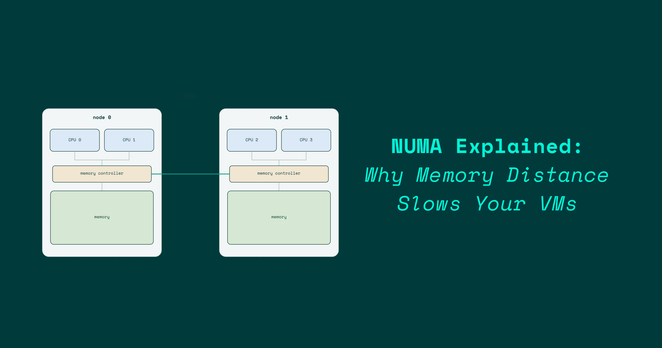
 Lobsters