 ((***Tiefenkultur**)) @kassiopeia_v7
 Daniel Fischer
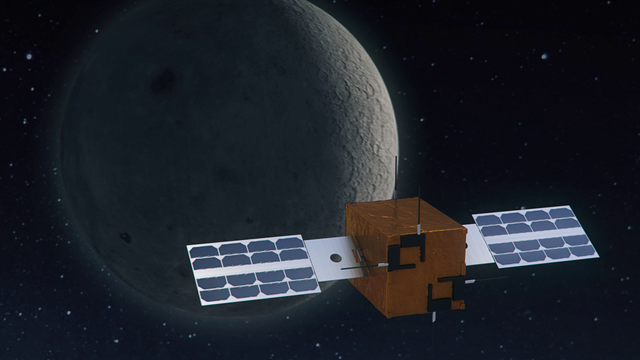
Phase C has officially begun for Lunar Meteoroid Impacts Observer or #Lumio, ESA’s pioneering CubeSat technology demonstration mission dedicated to monitoring #meteoroid flashes on the far side of the #Moon: https://www.esa.int/Enabling_Support/Space_Engineering_Technology/Shaping_the_Future/A_leap_forward_for_Lumio_Phase_C_officially_launched - Lumio is entering the detailed design and implementation phase that will advance the mission toward flight readiness and a potential launch in 2028.
 UberZeitgeist
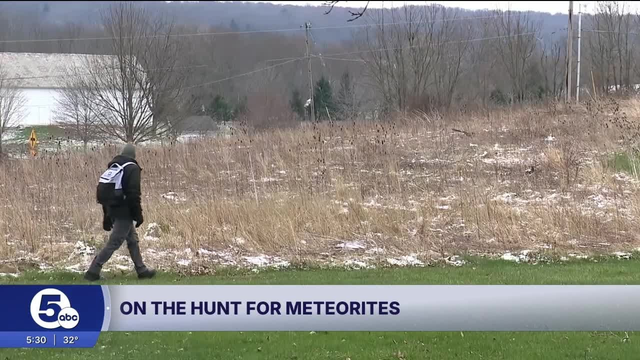
Lucksters and hucksters
Search meteorite-frenzied
For that pot o' gold
#Haiku #OneHaikuADay #WritersCollective #writingcommunity #BackToHaiku #Seasons #Winter #Ohio #Weather #March #Spring #PotOfGold #Asteroid #Meteor #Astronomy #Meteoroid #Meteorite #Ohio #USA #Photography #2026
March 19, 2026
Cosmic calling card
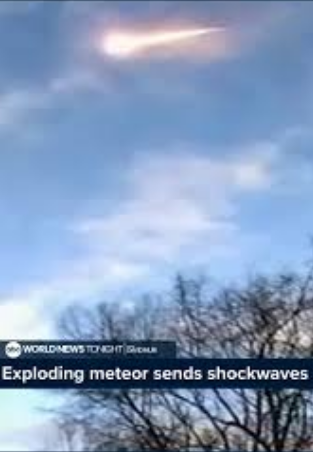
Meteor reminding us
In a booming voice
#Haiku #OneHaikuADay #WritersCollective #writingcommunity #BackToHaiku #Seasons #Winter #Ohio #Weather #March #Spring #Boom #SonicBoom #Asteroid #Meteor #Astronomy #Meteoroid #Meteorite #Ohio #USA #Photography #2026
March 18, 2026
 RTN
RTN#DLR:
"
Meteor, Meteorit und Meteoroid: Leuchtphänomen am Abendhimmel
"
"Am Abend des 8. März 2026 wurde kurz vor 19 Uhr in vielen Regionen in Deutschland eine Feuerkugel gesichtet.
Meteoroide verglühen meistens in der Atmosphäre, gelegentlich erreichen Bruchstücke die Erdoberfläche. Dann spricht man von Meteoriten."
9.3.2026
#Asteroid #Astronomie #Atmosphäre #Dunkelflug #Feuerball #Himmelskörper #Meteor #Meteorit #Meteoroid #Sonnensystem #Sternschnuppe
Meteor, Meteorit und Meteoroid: Leuchtphänomen am Abendhimmel
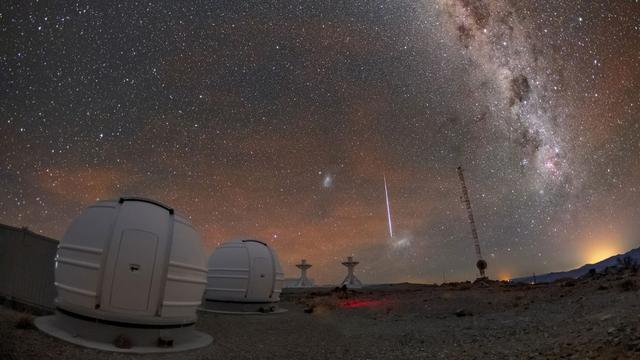
Das Leuchtphänomen, das am Sonntag, 9. März 2026, kurz vor 19 Uhr am Nachthimmel gesichtet wurde, war ein Meteor. Menschen und Medien brachten ihm seitdem ein großes Interesse entgegen. DLR-Planetengeologe Ulrich Köhler erläutert das Phänomen: „Ein Meteor ist die Leuchtspur eines kleinen Gesteinskörpers, der mit hoher Geschwindigkeit in die Erdatmosphäre eindringt. Durch die hohe Geschwindigkeit von bis zu 200.000 Kilometer pro Stunde heizen sich diese kleinen Gesteinskörper, die auch Meteoroide genannt werden, stark auf. Meistens verglühen sie in der Atmosphäre.“
 elbuhocurioso✨🔭🌳🚴🏼♀️🧙🏼♂️✍🏼💩
A bright #fireball crossed the evening sky over north-western Europe on Sunday and was widely observed across Belgium, France, Luxembourg, the Netherlands, and Germany. The object was detected by the #AllSky7 network, a system of automated sky cameras used to track #meteors and recover #meteorites. Using multiple recordings, researchers reconstructed the #trajectory of the incoming #meteoroid.
The object was first detected at an altitude of about 85 km, where atmospheric entry produced intense heating and light emission. During its approximately six-second passage, several flashes occurred as the body fragmented. Each fragmentation event likely produced between 10 and 100 #meteorites, meaning the original body broke into many pieces during #atmosphericEntry.
Based on brightness and duration, astronomers estimate the original #meteoroid had a diameter of roughly 1–3 meters. Objects of this size impact Earth relatively frequently, approximately once every two weeks, although most fall into oceans or sparsely populated regions.
Fragments slowed rapidly due to #atmosphericDrag, reducing their velocity from initial ~61,000 km/h in space to roughly ≤700 km/h before reaching the ground. Despite this deceleration, surviving #meteorites can still cause structural damage.
In this case, at least one fragment struck a house in Koblenz (Germany), penetrating the roof and landing inside a bedroom that was fortunately unoccupied. No injuries were reported. The unusual aspect of the event is therefore the impact occurring in a populated urban area, whereas most meteorite falls occur unnoticed in remote regions.
The calculated fall zone is now being searched by meteorite hunters and scientists, as recovered fragments may provide #cosmochemistry evidence about the early #SolarSystem and the composition of #asteroids.
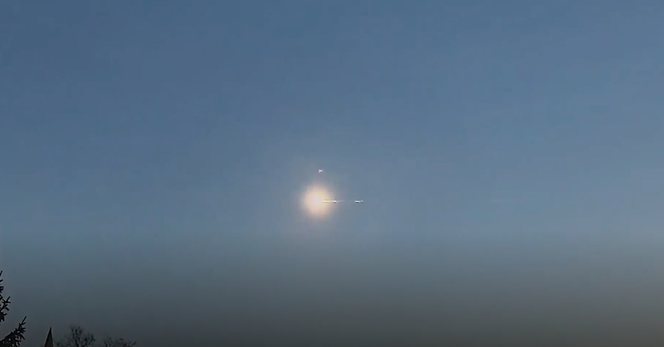
 Science Fiction Club Deutschland e.V.
Am Abend des 8. März 2026 wurde kurz vor 19 Uhr in vielen Regionen in Deutschland eine Feuerkugel gesichtet. #sfcd #DLR #meteor #meteorid #meteoroid
Meteor, Meteorit und Meteoroid...
Meteor, Meteorit und Meteoroid...
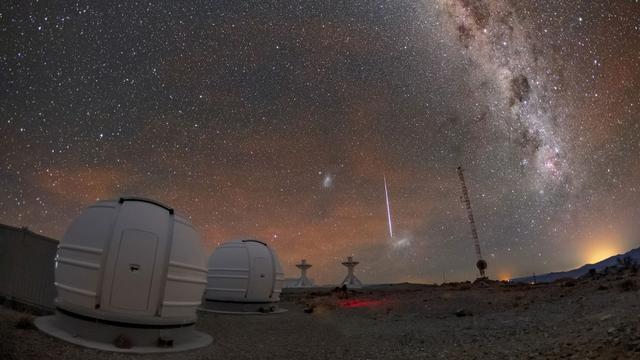
Meteor, Meteorit und Meteoroid: Leuchtphänomen am Abendhimmel
Das Leuchtphänomen, das am Sonntag, 9. März 2026, kurz vor 19 Uhr am Nachthimmel gesichtet wurde, war ein Meteor. Menschen und Medien brachten ihm seitdem ein großes Interesse entgegen. DLR-Planetengeologe Ulrich Köhler erläutert das Phänomen: „Ein Meteor ist die Leuchtspur eines kleinen Gesteinskörpers, der mit hoher Geschwindigkeit in die Erdatmosphäre eindringt. Durch die hohe Geschwindigkeit von bis zu 200.000 Kilometer pro Stunde heizen sich diese kleinen Gesteinskörper, die auch Meteoroide genannt werden, stark auf. Meistens verglühen sie in der Atmosphäre.“
 Oli
OliKleine Begriffskunde: Der Meteoroid ist das Objekt, das beim Eintritt in die Erdatmosphäre als Meteor sichtbar wird und dessen Überbleibsel ggf. als Meteorit in dein Haus einschlagen.
The Kresáks’ diagram - Hyperbolic #meteoroid orbits and their confidence level: https://www.aanda.org/articles/aa/full_html/2025/09/aa54274-25/aa54274-25.html -> Meteore interstellari - quando l’orbita inganna: https://www.media.inaf.it/2026/01/28/meteore-interstellari/
 Unofficial PetaPixel Bot
This is What a Meteor Looks Like from an Airplane https://petapixel.com/2025/11/12/this-is-what-a-meteor-looks-like-from-an-airplane/ #caughtoncamera #meteoroid #airplane #bolide #meteor #moscow #russia #News
