DoomsdaysCW
So, first night I'm able to leave the seedlings on the 3-season porch and the more established plants on the steps. Things may change later next week, so holding off on planting my potatoes until that's over with. I should have the fence set-up by this weekend. I'm growing extra flowers for the #CommunityGarden per the organizer's request.
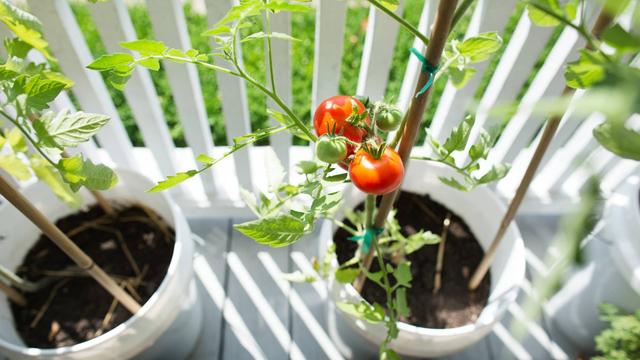
I've been growing tomatoes in buckets for years now (though I focus on growing my favorite -- Sun Gold cherry tomatoes. Big ones are too tricky).
Yes, You Can Grow Great Tomatoes in a 5-Gallon Bucket – Here’s How
By Tyler Schuster, April 11, 2026
Short on space but still want delicious summer flavor? Growing tomatoes in a 5-gallon bucket can make your patio garden dreams come true!
"No garden bed, no problem. A standard 5-gallon bucket and the right setup is enough to grow productive tomatoes through the full season—on a patio, a balcony, or anywhere with a few hours of sun."
https://www.gardeningknowhow.com/edible/tomato/grow-tomatoes-in-a-5-gallon-bucket
#SolarPunkSunday #GrowYourOwn
#GYO #GrowYourOwnFood #MaineGardens #Gardening
#UMaineCooperativeExtension - Bulletin #2077, #Potato Facts: Growing Potatoes in the #HomeGarden
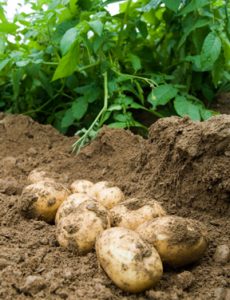
"Potatoes and #Maine have a long tradition together. Potatoes have always been a popular crop in home gardens, especially since they can be stored for use during the long Maine winter.
Potatoes can be grown in all parts of Maine in home gardens, but they need more attention and care than most vegetables. If you do a good job controlling insects and diseases, you’ll improve potato yields, and also protect Maine’s commercial potato industry."
Learn more:
https://extension.umaine.edu/publications/2077e/
#SolarPunkSunday #GrowYourOwn
#GYO #GrowYourOwnFood #MaineGardens #Gardening
Bulletin #2077, Potato Facts: Growing Potatoes in the Home Garden - Cooperative Extension Publications - University of Maine Cooperative Extension
Potatoes and Maine have a long tradition together. Potatoes have always been a popular crop in home gardens, especially since they can be stored for use during the long Maine winter. Potatoes can be grown in all parts of Maine in home gardens, but they need more attention and care than most vegetables. If you do a good job controlling insects and diseases, you’ll improve potato yields, and also protect Maine’s commercial potato industry.
When to Plant #Potatoes in #Maine: Best Times and Tips for #Gardeners
By Larry Meyers - March 8, 2026
"From personal experience, choosing the right variety and soil type can make or break your harvest. I’ve found that late April to early May, depending on your zone, hits the sweet spot. If you’re in Zone 4, aim for around April 30, while Zone 5 growers can plant around April 15. The soil warms up nicely by then, making it ideal for planting."
Read more:
https://evergreenseeds.com/when-to-plant-potatoes-in-maine/
#SolarPunkSunday #GrowYourOwn #GYO #GrowYourOwnFood #MaineGardens #Gardening
#Maine - #CommunityGarden Map
via #UMaineCooperativeExtension
"Community gardens are 'collaborative projects on shared open spaces where participants share in the maintenance and products of the garden, including healthful and affordable fresh fruits and vegetables'. Community gardens are important resources for towns and neighborhoods as they have the reciprocal effect of benefiting the community, environment, and individuals who participate.
Numerous health and wellbeing outcomes have been reported as a result of participating in a community garden:
- Promote a sense of belonging: The social aspects of community gardens can attract residents who may not normally engage in gardening activities, but see it as an opportunity to be seen or remain active in their community.
- Expand social networks: Many families with children have found community gardens to serve as a social network, and in some cases, a safe space for kids to play while adults tend to their plots.
- Improve physical health: Community gardeners often experience improved physical health through the natural ways in which gardening serves as exercise and increases their daily consumption of vegetables.
- Enhance mental health: Engaging in gardening activities provides residents with the opportunity to relax, decompress and enjoy their time outdoors.
The purpose of developing this community garden map is to help connect Mainers with community gardens in their area and how they can become involved. There are three major categories of community gardens on the map we’ve developed, and they include:
- Individual: Gardens to grow your own food on your own plot
- Collective: Gardens where a group grows food for community need
- Both: Gardens that have both individual plots and collective growing for community need"
Read more:
https://extension.umaine.edu/gardening/community-garden-map/
#SolarPunkSunday #GrowYourOwnFood #GrowYourOwn #BuildingCommunity #CommunityGardens #MaineGardens #FoodSecurity

Community Garden Map - Cooperative Extension: Garden and Yard - University of Maine Cooperative Extension
Community gardens are “collaborative projects on shared open spaces where participants share in the maintenance and products of the garden, including healthful and affordable fresh fruits and vegetables” (1). Community gardens are important resources for towns and neighborhoods as they have the reciprocal effect of benefiting the community, environment, and individuals who participate (2, 3). […]
#GardeningForWildlife Habitat
#PrinceMemorialLibrary
Mar 29, 2023
"Explore #gardening and #landscaping with an eye toward creating and maintaining habitat for local #wildlife. Speaker: #AaronParker, Edgewood Nursery in Falmouth, Maine.
A #LawnsGoneWild series event. This presentation was recorded at Prince Memorial Library and was offered in partnership with the Town of Cumberland's Sustainability Committee and Chebeague and Cumberland #LandTrust."
https://youtu.be/cJnmS3fPPlA?si=MXlkTMdPOXL4frIg
#SolarPunkSunday #Gardening
#MaineGardens
#WildlifeCorridors #ChebagueLandTrust #CumberlandLandTrust #LibrariesRule #GardeningForWildlife #WildlifeCorridors #WildlifeHabitats #RewildYourGarden

Gardening for Wildlife Habitat
#FoodForest design
LAWNS GONE WILD is a sustainable backyard education series and is offered in collaboration with #PrinceMemorialLibrary, Town of Cumberland's LCC Sustainability Committee , and Chebeague and #CumberlandME #LandTrust.
"A food forest is a way of laying out a landscape to mimic a natural forest, providing food and other human needs with a minimum amount of external inputs and maximum benefits to #wildlife and the greater #environment. Guest speaker #AaronParker introduces the concepts of ecological niches, analogs, and resource partitioning so you can design your own home-scale food forest. He also covers best practices for starting a food forest and recommended species to plant."
Watch:
https://www.youtube.com/watch?v=c9DVifxdQqU&t=2s
Source:
https://www.cumberlandorchard.org/learn/lawns-gone-wild-food-forest-design
#SolarPunkSunday #Gardening #MaineGardens #WildlifeCorridors

Food Forest Design
#MDACF - What #Mainers are Asking About #JumpingWorms
February 25, 2026
'Following a recent two-day jumping worm workshop hosted by the Maine Department of Agriculture, Conservation and Forestry (DACF), it is clear that jumping worms are a top concern for #Maine #gardeners and land managers. This event brought together a knowledgeable lineup of leading researchers from across North America to share the latest science and management strategies.
While the first established populations in the state were discovered as recently as 2014, these invasive pests are now considered widespread and have been confirmed in 13 of Maine's 16 counties. With hundreds of questions submitted by workshop registrants, several key themes emerged regarding how to identify, manage, and prevent the spread of these invasive worms.
Identification: "Is this a jumping worm?"
Many Mainers are concerned about distinguishing jumping worms from other species of earthworms.
- Monitor with a Mustard Drench: To see if jumping worms are present at your location, mix 1/3 cup of ground mustard with a gallon of water and pour it directly on the soil (in a forested setting, brush away leaf litter first); this irritates the worms and brings them to the surface for identification.
- The Timing: Because they are annuals (having a lifespan of only one year), juveniles appear in May and June and are very small and hard to identify. It is best to wait until late July or August to confirm their identity once they develop their distinctive collar.
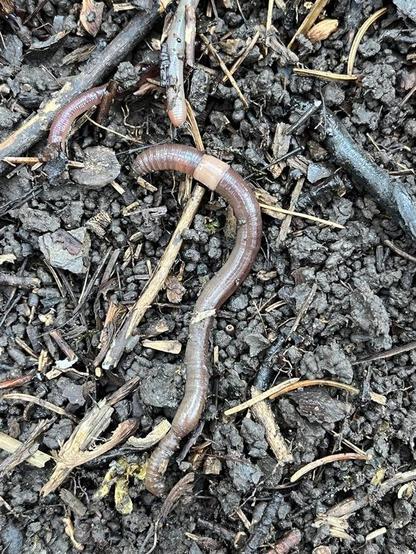
- The Look: Look for a milky white or gray collar (clitellum) that is smooth, flat, and completely encircles the body like a ring. In contrast, European earthworms have a raised, saddle-shaped clitellum that only goes partway around.
- The Behavior: Jumping worms do not crawl like typical earthworms; they thrash vigorously and wriggle like snakes when touched.
Spread & Prevention: "How do I stop them?"
The most common way jumping worms move is through human activity, particularly the movement of soil, compost, mulch, and nursery plants.
- The "Hidden" Threat: The worms themselves die each winter, but they leave behind tiny, soil-colored cocoons that are nearly impossible to see.
- Arrive Clean, Leave Clean: Cocoons can hitchhike in the treads of #HikingBoots and #tires. Using boot brushes at trailheads and cleaning tools before moving between garden beds is essential.
- Plant Sales & Nursery Stock: When possible, choose bare-root plants and rinse the roots into a bucket to ensure no cocoons are hiding in the root ball.
- Contain and Return: Always dump the wash water and mud back onto the original site where you collected the plants or soil; this ensures you aren't accidentally moving "hitchhiking" cocoons to a new, uninfested area. If you need to dispose of the material, wash your gear over a bucket to capture the sediment, let the soil settle before pouring off the water, and once the remaining mud dries, bag and #solarize it (heating it to at least 104F) before putting it in the trash.
Things you can do right now:
- #Solarization: In Maine, this works best in the peak of summer when the sun is strongest. Spread a thin layer of infested soil, about 6-8 inches deep, onto a #DarkTarp and cover it with a clear drop cloth, sealing the edges to create a "package." Place a simple soil thermometer in the center to track temperature. Research suggests reaching 104F for at least two hours can kill the worms and egg-containing cocoons. If you don't have a soil thermometer, plan to leave the covered soil in full sun for at least three days. On clear, hot summer days, a thin layer will often reach target temperatures within one to two days, but the extra time helps ensure consistent heating throughout the pile and improves your chances of success.
- Hand Removal: For small populations, you can hand-pick worms and drop them into a bucket of soapy water to kill them."
Learn more:
https://www.maine.gov/dacf/about/news/news.shtml?id=13343933
#SolarPunkSunday #Gardening #MaineGardens #Compost #NaturalPestControl #NaturalPestSolutions #InvasiveSpecies #InvasiveSpeciesWeek
#MaineDepartmentOfAgricultureConservationAndForestry