 Science | The Guardian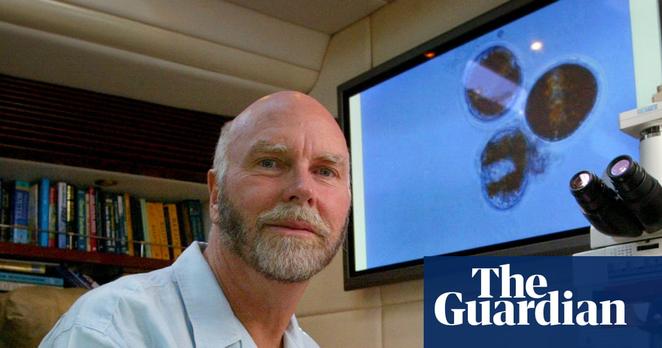
 Hacker News
Craig Venter of Human Genome Project Dies at 79
https://www.economist.com/obituary/2026/05/01/craig-venter-raced-to-decode-the-human-genome
#HackerNews #CraigVenter #HumanGenomeProject #Obituary #ScienceLegacy #Genetics
Craig Venter of Human Genome Project Dies at 79
https://www.economist.com/obituary/2026/05/01/craig-venter-raced-to-decode-the-human-genome
#HackerNews #CraigVenter #HumanGenomeProject #Obituary #ScienceLegacy #Genetics
Nature Communications: A digital archive reveals how a funding agency cooperated with academics to support the nascent field of genomics. “Here, we present a fully digital archive assembled by the National Human Genome Research Institute (NHGRI), focusing on the nascent stages of ‘genomics’ as a scientific field and the everyday workings of the Human Genome Project and subsequent major genomics […]
https://rbfirehose.com/2026/04/30/nature-communications-a-digital-archive-reveals-how-a-funding-agency-cooperated-with-academics-to-support-the-nascent-field-of-genomics/
Nature Communications: A digital archive reveals how a funding agency cooperated with academics to support the nascent field of genomics. “Here, we present a fully digital archive assembled b…

James Watson Saw the True Form of DNA. Then It Blinded Him.
https://fed.brid.gy/r/https://www.nytimes.com/2025/11/16/opinion/james-watson-dna.html

https://youtube.com/shorts/72DpX3TnlM4?si=NdqleZ97LrHy-CQY
The DNA Mastermind: James Watson's Triumphs and Troubles
Linktr.ee/562AlexD
#JamesWatson
#DNADiscovery
#DoubleHelix
#FrancisCrick
#RosalindFranklin
#ColdSpringHarbor
#NobelPrize
#Genetics
#Biotechnology
#HumanGenomeProject
#ScientificLegacy
#IQControversy

#RyojiIkeda: data-verse - #HighMuseum of #Art
https://high.org/exhibition/ryoji-ikeda/
Ryoji Ikeda’s data-verse is an immersive #audiovisual trilogy considered his ultimate project, created by transforming vast scientific datasets into complex visual and sonic experiences.
It consists of three synchronized high-definition video projections with minimalist electronic soundtracks, exploring data from sources like #NASA, #CERN, and the #HumanGenomeProject.
(1/2)
 Benjamin Carr, Ph.D. 👨🏻💻🧬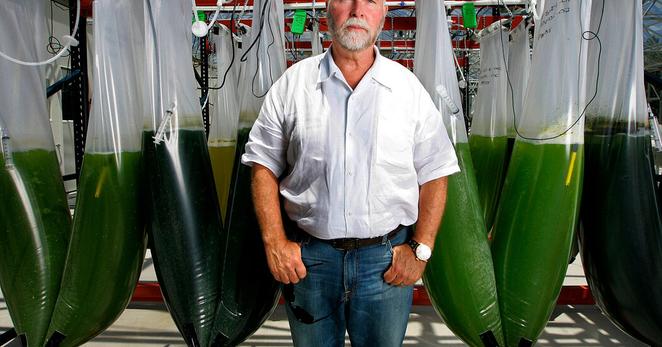
 ResearchBuzz: Firehose
 Lowdown Cryptic
 The New York Times - Breaking News, US News, World News and Videos [Unofficial]
 BigGucciElWopo
 WhatisBiotechnology
 Coach Sankhavaram ®
