 The Mirror: News, Sport, Celebrity & Entertainment [Unofficial]
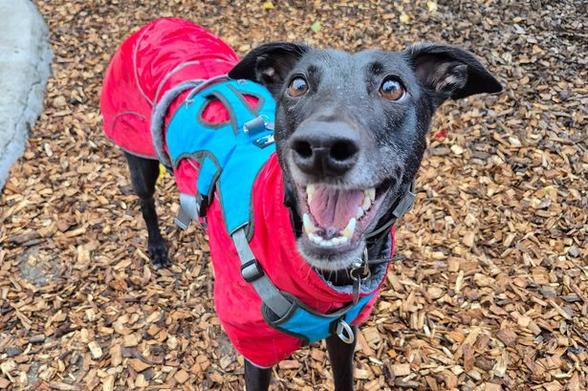
Rescue dog dubbed Britain's loneliest after waiting for forever home for 451 days
Rescue dog dubbed Britain's loneliest after waiting for forever home for 451 days
Odin Finds His Forever Home
https://fed.brid.gy/r/https://theorkneynews.scot/2026/04/17/odin-finds-his-forever-home/

Carmarthenshire man sentenced after collie left with untreated amputation injuries
Dyfrig John Davies, 64, of St Clears, appeared at Llanelli Magistrates’ Court on Friday 19 September, where he pleaded guilty to one offence under the Animal Welfare Act.
The court heard that Davies failed to protect the needs of a black and white female collie, named Floss, by not ensuring she received proper and timely veterinary treatment for her injuries.
He was sentenced to an 18‑week custodial sentence, suspended for 12 months, and ordered to pay a £154 victim surcharge and £400 in costs. The court also asked him to consider making a personal donation towards the RSPCA to help cover the costs of Floss’s treatment.
‘Bones exposed’
The case came to light on 12 January this year when RSPCA Deputy Chief Inspector Gemma Cooper attended a farm following reports of a dog with visible bone injuries.
She found Floss lying on blankets in a garage, with her back left foot “sloughed off” and bones exposed. The bone in her front left elbow was also visible, and she had multiple puncture wounds to her other legs.
“She was extremely subdued and made no attempt to move,” DCI Cooper said.
It was reported that Floss had been missing for a couple of weeks after a dog fight and had only returned the day before.
Vet assessment
A vet who examined Floss described her injuries as “obvious traumatic injuries including traumatic amputation of the left hind paw,” with exposed bone in her forelimb and further puncture wounds.
Floss was underweight, with significant muscle wastage, but was otherwise stable and alert. She was admitted for immediate treatment and stabilisation.
Collie Floss, who recovered after surgery and has been rehomedRecovery and new home
Following surgery and treatment costing around £6,000, Floss made a remarkable recovery. She was later signed over to the Dogs Trust, where she has since been rehomed.
In mitigation, the court heard that Davies was remorseful. He had arranged for a gamekeeper to shoot Floss but was let down, and accepted he should have taken her to a vet. The court was told this was a one‑off incident and that he had “learned from it.”
#animalNeglect #animalWelfare #BorderCollie #Collie #dog #DogsTrust #RSPCA #StClears
Today's run was an emotional one. I ran around a hill and got up to the trig point where we often took our beloved Tilley. We would have celebrated her 12th gotcha day today. We often walked here with her as we could meet up with her favorite person, lass' mum. Run pain free Tilley over the rainbow bridge, miss you.
#RescueDog #DogsOfMastodon #DogsTrust #Dogs #RunningWithDogs #BarefootRunning #TrailRunning #Running #RunnersOfMastodon #Pets #GotchaDay

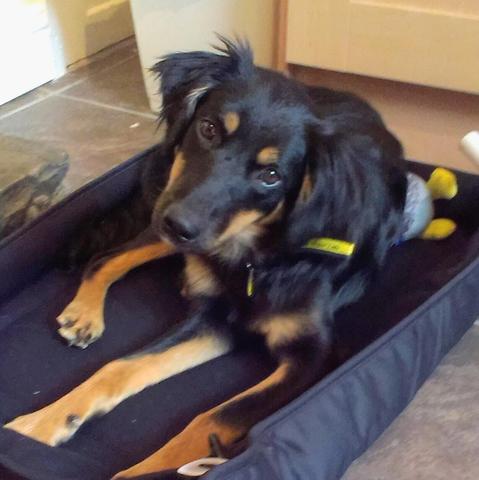
Poppy and Alfie top the charts as Wales’ most ‘popular’ dogs 🐾
The UK’s largest dog census – completed by more than 335,000 owners – found Labradors remain the nation’s favourite pure‑breed, making up 13.5% of all pedigree dogs. In Wales, they account for 7% of the dog population, with Poppy and Alfie leading the name league table, followed by Bella, Luna, Teddy and Milo.
The survey also revealed:
While the ‘Dog of the Nation’ title might raise a smile, Dogs Trust says the survey plays a serious role in shaping its services – from behaviour advice to campaigning for pet‑friendly housing.
Owen Sharp, Chief Executive of Dogs Trust, said:
“The National Dog Survey is more than just a snapshot of our favourite breeds and names. It’s a vital tool to help us understand the impact of dogs, the challenges, and the joy of dog ownership. Whether you are one of the 94% of people who treat your dog as a member of your family, or you have a Labrador named Teddy, every dog deserves a loving home and the right support.”
The charity, which has rehoming centres in Bridgend and Cardiff, is inviting owners to try its new online quiz to see how their pet compares – and just how unique they are – at Dogs Trust’s National Dog Survey page.
#Dachshund #dogNames #DogOfTheNation #Dogs #DogsTrust #FrenchBulldog #Labrador

Paw-sitive visits for pups after Upper Killay vets named dog-friendly clinic
Linnaeus-owned Gower Vets in Upper Killay has joined the Dog Friendly Clinic Scheme, an initiative by Dogs Trust and the British Veterinary Behaviour Association (BVBA).
It aims to help team members develop skills and knowledge so they can continually improve the welfare of patients in the clinic, as some dogs are anxious about vet visits, which can make them reluctant to enter the practice, difficult to examine and worried during treatment.
Staff at Gower Vets, which is already recognised as a cat-friendly clinic, have taken steps to always make visits a positive experience for dogs.
Lead veterinary nurse Lauren Rogers, who helped lead Gower’s accreditation, said:
“Dog anxiety when visiting the vet can be traumatising for everyone involved and may even put off owners seeking veterinary help when needed.
“By becoming a dog-friendly clinic, our team are committed to optimising our knowledge, skills and resources to ensure vet visits are positive for both dogs and clients.
“Our clinic team will also benefit from a better understanding of dog behaviour, helping them prevent the development of problems, spot issues early, help owners with up-to-date advice, and have a safer working environment.”
So far, the practice has introduced a range of measures to help dogs remain calm when they come to the practice.
Owners fill out questionnaires about their dogs’ likes, dislikes and basic commands so team members know the patients better and whether they suffer any anxiety around vet visits.
Non-slip mats have also been made available for dogs with mobility issues.
The next step is introducing appointments during quieter times to help patients who are fearful of the vets. Staff will then work with owners to reduce their dog’s response to triggers at the vets.
BVBA chair Chris Laurence said:
“Encouraging welfare-friendly treatment of dogs in veterinary practices is one of our primary objectives so every additional practice means many more dogs will benefit.
“We’re delighted Gower Vets has joined our dog friendly community. By doing so, they are helping ensure every dog has as positive an experience as possible within their clinic.”
Dogs Trust Director of Strategy and Transformation Dr Rachel Casey added:
“Veterinary care is an essential part of dogs’ lives, but some find visits to the vets stressful.
“We are very pleased to collaborate with the BVBA to create the Dog Friendly Clinic scheme to help veterinary practices embed the principles of behavioural medicine into clinic life.
“Vet clinics are at the forefront of recognising and preventing the development of problem behaviours in dogs, and this scheme will help them develop the skills and knowledge to optimise the wellbeing of the dogs in their care.”
To learn more about Gower Vets, visit www.gowervets.co.uk.
[Lead image: Gower Vets]
#BrtishVetinaryBehaviourAssociation #DogsTrust #GowerVets #UpperKillay


Researchers looking for local puppy owners
https://lichfieldlive.co.uk/2025/07/15/researchers-looking-for-local-puppy-owners/

Welsh puppy owners invited to join Dogs Trust’s landmark welfare study
Set up by the UK’s largest dog welfare charity, Generation Pup is the first study of its kind to follow dogs of all breeds and backgrounds over the course of their lives. And now, with more than 9,700 puppies already enrolled, the call has gone out across Wales for a final wave of participants before the milestone of 10,000 is reached.
The charity, which has rehoming centres in Cardiff and Bridgend, is encouraging owners of puppies under 16 weeks old to sign up and contribute vital information that could improve dog welfare for generations to come.
A puppy’s journey, a nationwide picture
From muddy paws to mischievous growls, each puppy’s routine tells a story—and through Generation Pup, researchers are capturing those stories in unprecedented detail.
By collecting updates on environment, diet, daily routines and behavioural quirks, Dogs Trust is building a comprehensive view of how early life influences long-term outcomes. Participants simply share updates as their puppy grows, helping trace key trends and challenges faced by dogs across the UK and Republic of Ireland.
Among the latest insights? The “sassy teenager” phase. A recent study based on Generation Pup data found that 12-month-old dogs were the most likely to show undesirable behaviours—like barking, pulling on the lead, jumping up, or ignoring recall. The findings reflect a peak developmental period and may help refine training advice tailored to this age group.
Related stories from Swansea Bay News
Community spaces get £3m funding boost
Welsh Government backs 14 hubs across Wales, including family centres and sports clubs, with transformative grants.
Firefighters tackle charity fitness challenge
Crews from across Wales compete in a gruelling event to raise funds for The Fire Fighters Charity.
Dedicated father set to take on IRONMAN challenge to raise money for epilepsy charity
Swansea dad trains for IRONMAN to honour the charity that supported his family through his son’s diagnosis.
Why your puppy matters
Every wagging tail and muddy puddle encounter is a piece of the puzzle—and for researchers, it’s vital.
Jane Murray, Welfare Project and Grants Deputy Head of Research at Dogs Trust, said:
“This important research study aims to deepen our understanding of how early life experiences influence the health and behaviour of dogs throughout their lives.
Your participation will make a valuable contribution to improving the welfare of dogs now and in the future.”
Whether your dog is destined to chase squirrels in Swansea or settle into a calm family life in Carmarthen, its journey contributes to a bigger picture—one that could shape how trainers, vets and owners support dogs in years to come.
How to join
The process is simple and free. Owners of puppies under 16 weeks old can sign up at www.generationpup.ac.uk and choose their level of participation. From surveys to health updates, each contribution adds detail to the broader canine story.

Wales Takes the Lead: Rehoming centre reforms and progress on Greyhound ban welcomed by Dogs Trust
Yesterday, the Welsh Government published its response to a public consultation on the licensing of animal welfare establishments, activities, and exhibits. It outlines a phased approach towards the creation of a national model for the regulation of animal welfare in Wales.
“Good intentions are not enough”
For many years, Dogs Trust say they have campaigned for the regulation of rehoming centres, following a string of high-profile cases where individuals behind so-called “sanctuaries” and “rehoming organisations” were found guilty of cruelty and neglect. Currently, anyone can open a rehoming centre without any requirement for training, experience, or appropriate facilities or funding. Dogs Trust believes this regulatory gap puts animals’ lives at serious risk, and this is a view shared with people across Wales, with 82% of respondents to the consultation agreeing with Dogs Trust that it was important to regulate domestic and international animal welfare establishments.
Recent incidents that have led to Dogs Trust calling for regulation to be introduced include individuals becoming overwhelmed by the number of animals in their care, lacking the skills to meet even basic welfare needs, or operating under the guise of rescue centres while engaged in puppy farming or illegal trading. In such cases, animals have suffered neglect and abuse due to poor oversight and a lack of minimum standards.
Claire Calder, Head of Public Affairs at Dogs Trust, said: “We are delighted by this announcement that rehoming centres across Wales will finally be subject to regulation. While many excellent rescue centres are doing vital work, the lack of licensing means that anyone, regardless of knowledge, experience, or intent, can set up a centre and potentially cause serious harm.
“We know from running our network of rehoming centres, including those in Cardiff and Bridgend, that good intentions are not enough. We need robust legislation to ensure every rescue dog is safe, well cared for, and treated with the respect they deserve. Proper oversight is essential to protect animals and uphold public trust. Whilst we are encouraged by the Welsh Government’s decision on this matter, we urge them to move quickly to release their proposals, so that every rescue dog has the protections they deserve.”
Welsh Government to Bring Forward Greyhound Racing Ban This Autumn
The consultation response also confirmed that the Welsh Government will bring forward legislation to ban greyhound racing later this year. Earlier this year, Deputy First Minister Huw Irranca-Davies announced a government commitment to banning greyhound racing in Wales, but at the time, did not outline timescales or plans for this. Yesterday’s publication of the results of the Welsh Governments consultation on licensing of animal welfare establishments, activities, and exhibits outlined that an Implementation Group will be established to provide expert advice and support the legislative process, and stated that legislation to deliver on its commitment to ban greyhound racing will be brought forward in the autumn.
Dogs Trust, alongside other members of the Cut the Chase Coalition – including RSPCA Cymru, Blue Cross, Greyhound Rescue Wales, and Hope Rescue – has long campaigned for an end to greyhound racing, citing the avoidable injuries and deaths caused by racing.
The Dogs Trust claim that since 2018, more than 2,700 greyhounds have died or been euthanised as a result of their involvement in racing across the UK – although this figure has been disputed by industry regulator. Dogs Trust say they expect the upcoming Greyhound Board of Great Britain injury and fatality data, due to be published any day, to sadly confirm many more deaths in the past year alone.
Dogs Trust claim that beyond injuries on the track, there are widespread welfare concerns throughout greyhounds’ lives – from poor kennel conditions and inadequate nutrition to issues with transport, health, and enrichment. The animal welfare charity also claims that the Greyhound racing industry has been criticised for a lack of transparency, weak regulation, and inconsistent enforcement.
These claims have been refuted by the Greyhound Board of Great Britain (GBGB), who say that as regulator of licensed greyhound racing, the organisation works to uphold the highest standards of welfare at kennels and when being transported. This includes an accredited inspection scheme for GBGB-licensed trainers’ residential kennels and that residential kennels must meet publicly available standards.
The GBGB also say that a comprehensive Code of Practice has been produced in consultation with animal welfare charities and veterinary professionals, that sets out clear rules and guidelines on how greyhounds should be looked after at home at their trainer’s kennels. This includes specific requirements around diet, bedding, kennel construction and size, dental care, environmental enrichment as well as daily exercise routines.
The GBGB also criticised the Dog’s Trust’s claims of lack of transparency.
A spokesperson for the GBGB said: “In publishing our annual, independently verified Injury and Retirement Data, GBGB has gone beyond the requirements set out by DEFRA and has published a full breakdown of injuries and fatalities.
“As regulator, GBGB ensures strong adherence to its over 200 Rules of Racing. If anyone is found in breach of the Rules, they are fully investigated and can face disciplinary action including fines and lifetime bans from the sport”.
The GBGB goes on to say that the Dog’s Trust’s use of cumulative figures for fatalities is misleading.
The GBGB spokesperson added: “2,700 is the total number of registered greyhounds (excluding those categorised as having died from terminal illness) who died from 2018 to 2023, including those put to sleep on veterinary advice for reasons unrelated to racing and those who experienced sudden death – which can unfortunately occur in any animal – as well as those deemed unsuitable for homing by behavioural specialists, something which, again, all animal charities must consider when rehoming any animal.
“This cumulative figure also fails to reflect how the number of fatalities has reduced significantly during this period. Since 2018, the number of registered greyhounds that were put to sleep at the racecourse has fallen by 51%.
“As GBGB’s independently verified injury and retirement data for 2024, published today, shows the track fatality rate remained consistent with the previous year at 0.03% and half of what it was in 2018.”
Claire Calder, Head of Public Affairs at Dogs Trust, says: “The Welsh Government’s commitment to ending greyhound racing marks a significant and long-overdue step forward for animal welfare. Thousands of dogs have died or suffered serious injuries in the name of entertainment – this is simply unacceptable.
“We commend the Senedd for its leadership. With Wales taking action, we urge England, Scotland, and Northern Ireland to follow suit and end this inhumane practice once and for all.”
#animalWelfare #Dogs #DogsTrust #greyhoundRacing #WelshGovernment
Animal charity teams up with accommodation provider to support homeless dog owners
The Wallich, a homelessness charity providing support across Wales, has seen five temporary accommodation services endorsed as dog-friendly by Dogs Trust’s Together Through Homelessness scheme.
The Wallich’s temporary accommodation services in Swansea, Ammanford, Cardiff and Wrexham provide safe and supportive places for single people experiencing homelessness, with communal facilities and outdoor spaces that create a stable environment for residents and their pets.
Over the last year, the charity has worked with Dogs Trust to become a pet-friendly service provider, allowing people experiencing homelessness to access its services, even if they own a dog. To support these changes, Dogs Trust offers bespoke support and ongoing advice on everything from dog-friendly policies to behaviour resources.
Dogs Trust believes no one should be forced to choose between their dog and a safe place to sleep; however, many people experiencing homelessness are faced with that decision, as many homelessness services are not pet-friendly. In fact, research by Dogs Trust found 70% of professionals supporting those experiencing homelessness said their clients had experienced barriers to accessing homelessness services because they have a dog.
Si, a resident who lives with The Wallich in Swansea, said: “My dog Smudge is my world. We’ve been together through all the hard times, she means so much to me, she’s my best friend.
“The Wallich have been so brilliant. They’re helping to get me sorted and Smudge as well. She’s well-fed and looked after; I just need to make sure she doesn’t get too fat now! Living here with her, I feel so settled and like I can do anything.”
These special endorsements by Dogs Trust, the UK’s largest canine welfare charity, are given to services that go above and beyond to help people, and their dogs stay together, which highlights the brilliant work done by the Wallich across Wales.
Abigail Owens, Senior Regional Engagement Officer at Dogs Trust, said: “I really enjoyed visiting The Wallich’s services as part of this endorsement process. The Wallich wants to create a Wales where people and services provide hope, support and solutions to end homelessness, including for those experiencing it with their pets. This commitment is clearly reflected in their work.”
Karen Robson, Chief Executive of leading Welsh homelessness and rough sleeping charity The Wallich, said: “The Wallich is delighted to be an accredited member of the Dog’s Trust Together Through Homelessness scheme. We’re pleased that we’ve shown our proven commitment to keeping people affected by homelessness and their pets together; we all know the importance of the relationship between a dog owner and their companion.
“We encourage all landlords to consider how pet-friendly renting can work in their properties, and we want to lead by example by showing it benefits everyone involved.
“This endorsement means our service users and their dogs get vital support and excellent care from Dogs Trust. It also gives our staff confidence that we’re providing the best environment for both people and pets. Thank you to the Dogs Trust for helping make this partnership possible.”
Each of The Wallich’s hostels provides dedicated support to residents, including help attending GP appointments, accessing substance misuse and mental health services, and The Wallich’s counselling service, the Reflections Network, which helps individuals address issues and make lasting, positive change. As residents build trust with the charity, they often feel safe to share their stories and engage with long-term support, reducing the risk of returning to homelessness.
Dogs Trust’s Together Through Homelessness project works directly with homelessness services to help them become dog-friendly, offering bespoke support and ongoing advice on everything from dog-friendly policies to behaviour resources.
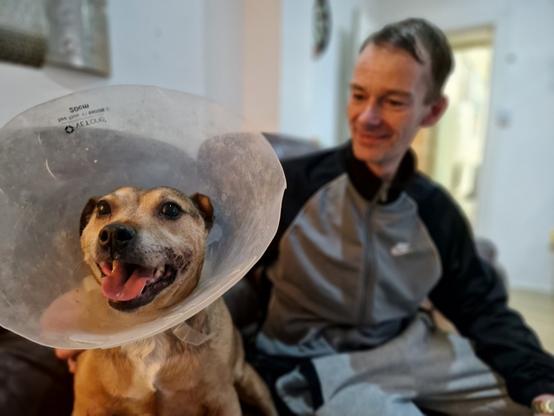
 The Orkney News [Unofficial]
 Editor
 woollypigs
 Lichfield Live®