Neighborhood dispute among cells: Whoever successfully transmits force wins

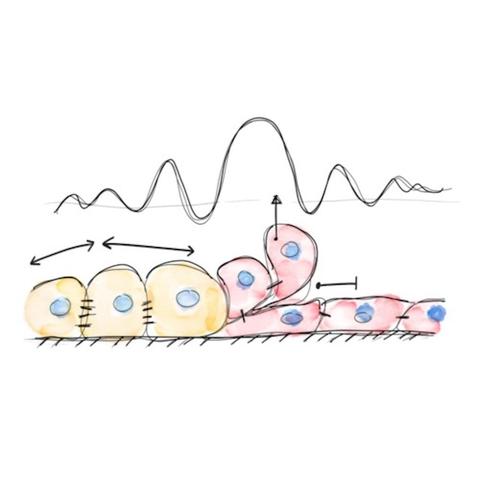
Cells constantly compete, eliminating weaker ones to maintain tissue health. Researchers from #MPZPM, #InstitutJacquesMonod and #NielsBohrInstitute discovered a new strategy in mechanical cell competition: the ability to transmit force determines the winner. Their findings challenge classical views on #CellCompetition.

Learn more 👉 https://mpzpm.mpg.de/news/news-details/neighborhood-dispute-among-cells-whoever-successfully-transmits-force-wins

#science #research #cellbiology

📸 Lucas Anger
Neighborhood dispute among cells: whichever successfully exerts force wins

Trial of strength at the cellular level: cells are in constant competition with each other and so eliminate diseased or unwanted cells. Cell competition is therefore a central principle for maintaining the health of tissues and organs. Researchers have investigated the success factors of superior cells and discovered a previously unknown winning strategy in mechanical cell competition. They identified a variety in the ability of cells to exert mechanical forces onto other cells as the decisive regulator. With their results recently published in ‘Nature Materials,’ the research team from Germany, France and Denmark challenges the classical interpretation of cell competition.
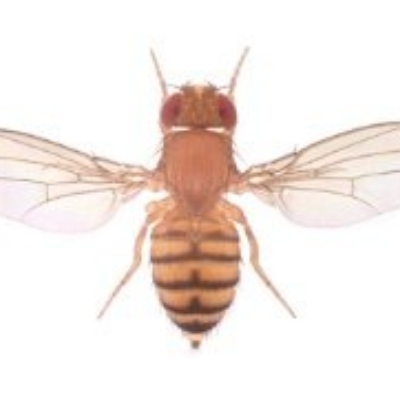
Excited to share our latest paper on "Interface Surveillance", a tissue intrinsic defense system against aberrant cells.

https://elifesciences.org/articles/80809

#drosophila #epithelia #tumor #mutations #cellfate #cellcompetition #SFB850

@unifreiburg

Bilateral JNK activation is a hallmark of interface surveillance and promotes elimination of aberrant cells

eLife

Check out our latest complete issue that includes heaps of #OpenAccess science:

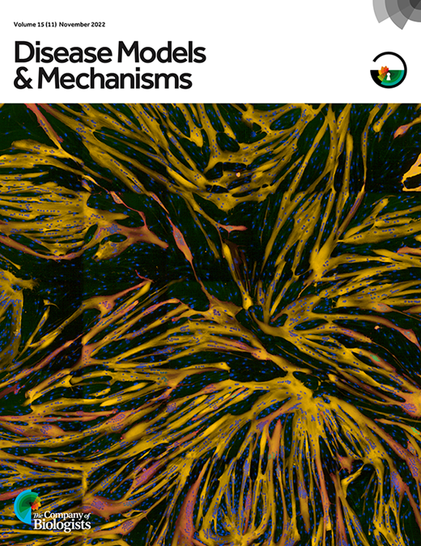
🎇A cover featuring differentiated #myotubes derived from #FSHD patient cells
🧠An Editorial that discusses how we can improve #mouse modelling of #Schizophrenia
🧫A review on aneuploidy & #CellCompetition that explores their impact on #cancer
👂🏼 A review on #InnerEar development & disease
🐹🐭A #COVID19 model stand-off for the #EditorsChoice
🧪And much more fantastic #biomedical research

📘https://journals.biologists.com/dmm/issue/15/11

Disease Models & Mechanisms

Read Volume 15 Issue 11 of Disease Models & Mechanisms.

The Company of Biologists

Aneuploidy, the gain or loss of chromosomes, can cause birth defects, miscarriage, #cancer predisposition and age-related disorders.

In a brand new review, Nicholas Baker from Albert Einstein College of Medicine and Cristina Montagna from Rutgers Cancer Institute of New Jersey discuss evidence that #aneuploid cells are eliminated in the presence of normal cells and the potential role of ribosomal protein #gene #haploinsufficiency.

https://journals.biologists.com/dmm/article/15/11/dmm049673/285137/
#OpenAccess #CellCompetition

Reducing the aneuploid cell burden – cell competition and the ribosome connection

Summary: We review evidence that aneuploid cells are eliminated in the presence of normal cells and the potential role of ribosomal protein gene haploinsufficiency in this cell competition process.

The Company of Biologists
Cell competition may explain cancer relapses, research suggests

A normal process called cell competition, in which healthy tissues eliminate unhealthy cells, could be responsible for cancer relapses in patients months or years after they were declared cancer-free, a new study by UT Southwestern researchers suggests.

Medical Xpress