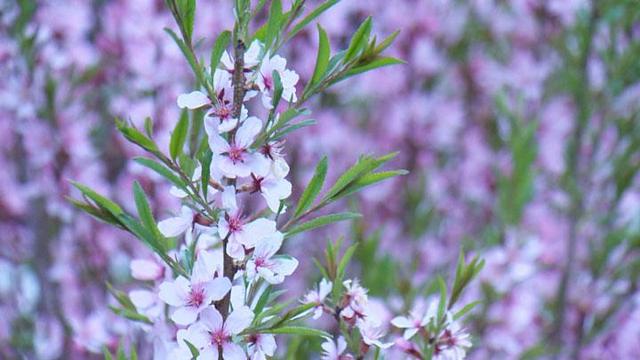
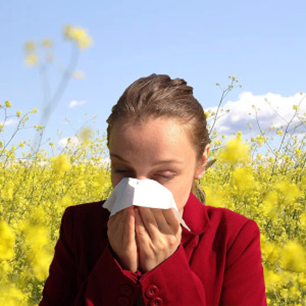
#Spring - When you don't know whether it's s cold or an #allergy.
--- --- ---
#Frühling - Wenn du nicht weißt, ob es eine Erkältung oder die #Allergie ist.

#KätToon

Is antibacterial or regular hand soap best for killing germs?

Cleaning up our disinfectants: usage of antimicrobial biocides in direct-to-consumer products in Australia Open Access

"In supermarkets and chemists worldwide, consumers are faced with an array of antimicrobial domestic cleaning and personal hygiene products purporting to kill germs and keep people safe. Many of these proven active ingredients (biocides) encourage the development of antimicrobial resistance (AMR) in microbes and microbial populations, in turn increasing the likelihood of AMR infections. In order to understand and address the selective pressure towards AMR posed by the unrestricted use of biocides, it is necessary to understand which biocides are most frequently found in consumer products and the current regulatory framework that governs their use. In this research we survey the biocidal active ingredients in the major categories of cleaning and personal care products available from supermarkets and pharmacies in Australia, and comment on the regulations that dictate how these products are tested and marketed. Benzalkonium chloride and ethanol were the two most prevalent antimicrobial biocides in this study, while triclosan, which is banned in several jurisdictions, was found in a small number of products. In Australia, many antimicrobial consumer products are regulated for efficacy and safety under the Therapeutic Goods Act, but the potential to drive microbial adaptation and AMR is not considered. Overall this survey underscores the broad use and light regulation of antimicrobial biocides in products available to the general public in Australia, and provides an information resource to inform further research and stewardship efforts." >>
https://www.microbiologyresearch.org/content/journal/acmi/10.1099/acmi.0.000714.v3

#pathogens #handwashing #culture #HygieneProducts #biocide #disinfectant #antiseptic #AntimicrobialResistance #AntibioticResistance #fragrance #allergy #FragranceFree #perfume

Cleaning up our disinfectants: usage of antimicrobial biocides in direct-to-consumer products in Australia

In supermarkets and chemists worldwide, consumers are faced with an array of antimicrobial domestic cleaning and personal hygiene products purporting to kill germs and keep people safe. Many of these proven active ingredients (biocides) encourage the development of antimicrobial resistance (AMR) in microbes and microbial populations, in turn increasing the likelihood of AMR infections. In order to understand and address the selective pressure towards AMR posed by the unrestricted use of biocides, it is necessary to understand which biocides are most frequently found in consumer products and the current regulatory framework that governs their use. In this research we survey the biocidal active ingredients in the major categories of cleaning and personal care products available from supermarkets and pharmacies in Australia, and comment on the regulations that dictate how these products are tested and marketed. Benzalkonium chloride and ethanol were the two most prevalent antimicrobial biocides in this study, while triclosan, which is banned in several jurisdictions, was found in a small number of products. In Australia, many antimicrobial consumer products are regulated for efficacy and safety under the Therapeutic Goods Act, but the potential to drive microbial adaptation and AMR is not considered. Overall this survey underscores the broad use and light regulation of antimicrobial biocides in products available to the general public in Australia, and provides an information resource to inform further research and stewardship efforts.

microbiologyresearch.org

Is antibacterial or regular hand soap best for killing germs?

Washing hands after using the toilet or patting a dog before a meal is crucial to remove feces-borne bacteria and germs. After COVID the message got through to most people. When one is in town looking for a public amenity or a cafe toilet, it is rare to find hot water, hand soap and a clean (paper) towel. But there is always a toilet spray in 1001 fragrance varieties.

In the absence of the ingredients for basic hand hygiene there is always a free plastic bottle of hand sanitizer since the last pandemic. Staff at grocers, bakers and cafes copiously cover their hands in the "antibacterial" and "antiseptic" products. Every product or packaging absorbs the persistent fragrance of the bought items and travels back into the home. The cost-effective chemical 'solution' does not substitute for hot water, soap and a towel.

"Professor Griffin says products claiming to kill bacteria are "not necessarily substantiated as being any better than just usual soap and water would be...These additives can be harsh and lead to dryness and cracked skin, which can create a pathway for germs to enter the body."

'Regular hand soap is very effective in removing potentially harmful pathogens (bacteria, viruses, fungi, and parasites), according to our experts. So, using that water, soap and that pneumatic action to get all of the dirt and grime from your hands and then rinsing is going to be more than adequate to keep you healthy."

"Our experts say there have also been studies suggesting that the use of soaps with antimicrobial additives can contribute to antibiotic resistance, which is problematic." >>
https://www.abc.net.au/news/2026-03-18/antibacterial-versus-normal-hand-soap-preventing-illness/106462854

#pathogens #handwashing #culture #HygieneProducts #biocide #disinfectant #antiseptic #AntimicrobialResistance #AntibioticResistance #fragrance #allergy #FragranceFree #perfume

Image: Fumbling dogs before lunch, Bellingen

Why the medical advice on peanut allergies flipped in a generation
The advice on how to prevent peanut allergy in babies did a U-turn. Here's the scientific basis and practical tips for parents to apply the advice.
https://www.cbc.ca/news/health/so-peanut-allergy-leap-9.7125919?cmp=rss
Why the medical advice on peanut allergies flipped in a generation
The advice on how to prevent peanut allergy in babies did a U-turn. Here's the scientific basis and practical tips for parents to apply the advice.
https://www.cbc.ca/news/health/so-peanut-allergy-leap-9.7125919?cmp=rss

We are entering birch pollen season in Europe as the days get warmer. This map may be helpful for those who suffer:

https://silam.fmi.fi/pollen.html

#allergy #pollen #birch

Sneezing and congested in eastern Nebraska? Juniper tree pollen is high right now at 976 grains/cubic meter.

#pollen #juniper #Nebraska #allergy

I just did some exams and discovered that I’m allergic to doggos and cattos. But there’s no science that could stop me from adopting many of them 😅 - fuck science 🤭
#allergy #pets #science
Ya ok whatever is floating around in the air now is getting me good 🤧#allergy
I was sitting here gaming, and gradually realized I was feeling so, so sad. Like up against a wall of sadness. There is a grief in my life I could attach to this feeling, but it doesn't usually smack me like that. And then I remembered the weather. We had a long dry spell, which ended with hours of lovely thunderstorms today. Which has led to a mold spike. Which usually makes me feel sad. And sleepy, with watery sad, sleepy eyes. Like now. Oh. #allergy #weather #mold #emotions #autism