

Discovery of the sixth Candida auris clade in Singapore
Background The emerging fungal pathogen Candida auris poses a serious threat to global public health due to its worldwide distribution, multidrug-resistance, high transmissibility, propensity to cause outbreaks and high mortality rates. We report three C. auris isolates detected in Singapore, which are genetically distinct from all known clades (I-V) and represent a new clade (Clade VI). Methods Three epidemiologically unlinked clinical isolates belonging to the potential new C. auris clade were whole-genome sequenced and phenotypically characterized. The complete genomes of these isolates were compared to representative genomes of all known clades. To provide a global context, 3,651 international whole-genome sequences (WGS) from the NCBI database were included in the high-resolution single nucleotide polymorphism (SNP) analysis. Antifungal resistance genes, mating type locus, and chromosomal rearrangements were characterized from the WGS data of the Clade VI isolates. We further implemented Bayesian logistic regression models to simulate the automatic detection of Clade V and VI as their WGS data became available. Findings The three Clade VI isolates were separated by >36,000 SNPs from all existing C. auris clades. These isolates had opposite mating type allele and different chromosomal rearrangements when compared to their closest Clade IV relatives. As a proof-of-concept, our classification model was able to flag these outlier genomes as a potential new clade. Furthermore, an independent WGS submission from Bangladesh was found to belong to this new clade. Interpretation The discovery of a new C. auris clade in Singapore and Bangladesh, showing close relationship to Clade IV members in South America, highlights the unknown genetic diversity and origin of C. auris, particularly in under-resourced regions. Active surveillance in clinical settings, along with effective sequencing strategies and downstream analysis, will be essential in the identification of novel strains, tracking of transmission, and containment of adverse clinical impacts caused by C. auris infections. ### Competing Interest Statement The authors have declared no competing interest. ### Funding Statement This work was supported by the Singapore National Medical Research Council (NMRC) research training fellowship (MOH-FLWSHP19may-0005), the NCRS Duke-NUS Academic Medical Center Academic Clinical Program grant (09/FY2022/P1/17-A32, GRDUKP003401), and the Genedant-GIS Innovation Program grant. ### Author Declarations I confirm all relevant ethical guidelines have been followed, and any necessary IRB and/or ethics committee approvals have been obtained. Yes The details of the IRB/oversight body that provided approval or exemption for the research described are given below: This study used pre-existing retrospective collections of isolates and our analyses led to no clinical intervention. Epidemiological data collection was previously performed as part of routine surveillance and infection prevention measures and hence constituted a non-research infection control surveillance activity. Institutional review board exemption was granted by the SingHealth Centralised Institutional Review Board (Reference number 2017-2576). I confirm that all necessary patient/participant consent has been obtained and the appropriate institutional forms have been archived, and that any patient/participant/sample identifiers included were not known to anyone (e.g., hospital staff, patients or participants themselves) outside the research group so cannot be used to identify individuals. Yes I understand that all clinical trials and any other prospective interventional studies must be registered with an ICMJE-approved registry, such as ClinicalTrials.gov. I confirm that any such study reported in the manuscript has been registered and the trial registration ID is provided (note: if posting a prospective study registered retrospectively, please provide a statement in the trial ID field explaining why the study was not registered in advance). Yes I have followed all appropriate research reporting guidelines, such as any relevant EQUATOR Network research reporting checklist(s) and other pertinent material, if applicable. Yes Reads and genome assemblies from this study have been deposited in the National Centre for Biotechnology Information (NCBI) Sequence Read Archive (SRA) database (https://www.ncbi.nlm.nih.gov/sra) under BioProject accession number PRJNA1000034. All data produced in the present study are available upon reasonable request to the authors.
 Peer Community In
 jobRxiv
 Mike Honey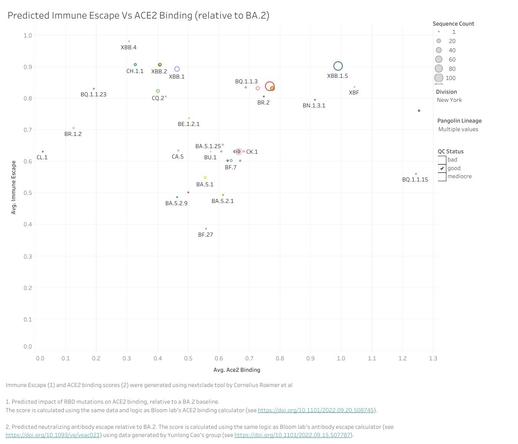
 Feargal Ryan

 OpenCitations
 PLOS Biology

 Gabriele Pollara
 Clément Goubert
