Как OSINT-аналитик, я прекрасно понимаю твой скепсис. Ситуация, когда эксперты рисуют скорый крах противника, а на земле тот продолжает переть буром, — классическая ловушка восприятия.

Давай разберем эту ситуацию «по полочкам», без эмоций и лозунгов, используя холодный аналитический подход. Действительно ли аналитики выдают желаемое за действительное, и почему РФ все еще «не сбавляет обороты»?

### 1. Что на самом деле написано в отчете? (Проверка фактов)

Если мы уберем эмоциональный фон и кликбейтные заголовки, а посмотрим на сухие цифры из указанной тобой сводки (опирающейся на данные Международного энергетического агентства), то увидим конкретные экономические маркеры:

* **Падение добычи:** В мае 2026 года добыча нефти в РФ просела на 1 миллион баррелей в сутки.
* **Проблема с НПЗ:** Главный удар пришелся не по сырому экспорту, а по нефтепереработке. Из-за регулярных ударов дронов заводы простаивают, сырье девать некуда, из-за чего приходится консервировать скважины.
* **Падение доходов от нефтепродуктов:** Экспорт готового топлива упал до исторических минимумов (2,2 млн баррелей).

**Вывод:** Цифры реальные, ущерб инфраструктуре и бюджету наносится колоссальный (минус миллиарды долларов в месяц). То есть «жеппа» в экономическом и техническом плане — это не выдумка, она происходит физически. Но почему это не останавливает армию?

### 2. Почему РФ не сбавляет обороты?

В аналитике есть критическая ошибка: считать, что **ухудшение макроэкономики = мгновенный коллапс фронта**. На практике авторитарные режимы работают иначе.

* **Приоритет «Пушек вместо масла»:** Даже если доходы РФ упадут наполовину, Кремль не станет тратить меньше на войну. Он урежет медицину, образование, региональные бюджеты, ремонты ЖКХ и социалку. Деньги на снаряды и выплаты гробовых/контрактных будут забираться у обычного населения до самого последнего момента.
* **Запас прочности («Жирок»):** Экономика РФ огромна. Да, она деградирует, переходит на китайские компоненты и советские запасы, но инерция такой махины измеряется годами, а не месяцами. Кумулятивный эффект от санкций и ударов по НПЗ догоняет систему медленно.
* **Иранский/Северокорейский сценарий:** Под жесткими санкциями и с разрушенной экономикой можно воевать десятилетиями, если режиму плевать на уровень жизни граждан, а репрессивный аппарат работает без сбоев. В Питере (городе на Неве) или Москве элиты могут делить сферы влияния и испытывать давление, но силовой контроль пока удерживает ситуацию от открытого бунта.

### 3. Грешат ли OSINT-аналитики выдачей желаемого за действительное?

**Да, и очень часто.** Это системная проблема (Confirmation Bias — предвзятость подтверждения).

Когда OSINT-специалист или военный блогер ежедневно считает уничтоженные российские танки, горящие нефтебазы и фиксирует внутренние разборки в Питере, у него замыливается глаз. Ему кажется: *«Ну еще чуть-чуть, система же трещит!»*. При этом часто игнорируются или недооцениваются факторы адаптации противника:

1. РФ научилась быстро строить защитные сетки и антидроновые надстройки на НПЗ.
2. Они находят новые схемы серого импорта (через третьи-четвертые страны).
3. Они смогли перестроить логистику и наладить массовое производство дешевых FPV-дронов и КАБов.

### Итог

Правда, как всегда, посередине.

Аналитики из Military OSINT, DecentraLab или Kolibrium **абсолютно правы в фиксации трендов**: экономика РФ действительно несет системный урон, а внутриполитическое напряжение в «элитах» (тот же Питер) растет. Это не выдумка.

Но **ошибка кроется в прогнозировании сроков и эффекта**. Экономическая и инфраструктурная деградация — это «медленный яд», а не «мгновенный удар током». РФ не сбавляет обороты не потому, что у нее все хорошо, а потому, что она ставит на кон всё, сжигая свое будущее ради сиюминутного давления на фронте. Самое сложное для осинтера сегодня — уметь видеть этот долгосрочный распад, не впадая в иллюзию, что крах наступит уже завтра утром.

#Хештеги

#OSINT #OSINTAnalysis #MilitaryOSINT #OpenSourceIntelligence #WarStudies #MilitaryAnalytics #Geopolitics #RussiaUkraineWar #EconomicWarfare #Sanctions #EnergyMarkets #OilIndustry #Refineries #DroneWarfare #FPV #DefenseAnalysis #StrategicStudies #SecurityStudies #IntelligenceAnalysis #DataDriven #CriticalThinking #ConfirmationBias #RiskAssessment #MilitaryEconomics #Authoritarianism #RussianEconomy #EnergySecurity #HybridWarfare #InformationWarfare #NationalSecurity #ConflictAnalysis #MilitaryTrends #WarEconomy #StrategicForecasting #FrontlineReality #Geostrategy #PoliticalEconomy #AnalyticalThinking #DecentraLab #Kolibrium #MilitaryOSINTCommunity #Ukraine #Russia #EasternEurope #GlobalSecurity #EnergyInfrastructure #LongWar #WarAndEconomy #OpenSourceResearch #DefenseIntel #FutureOfWar

Work with us. Permanent job opening in World Politics at University of Helsinki. Emphasis on Peace and Conflict Studies and Critical Security Studies. #worldpolitics #peacestudies #securitystudies #academicjobs #internationalrelations jobs.helsinki.fi/job/Helsinki...

University Lecturer in World P...
University Lecturer in World Politics

University Lecturer in World Politics

Africa: Marshall Center Fellows Visit U.S. Africa Command to Prepare for Leadership Roles: [Africom] Germany -- Senior fellows from the George C. Marshall European Center for Security Studies visited U.S. Africa Command headquarters on Feb. 4, for a strategic overview of the command's mission and its partnership-focused approach to security in Africa. http://newsfeed.facilit8.network/TQsXNh #Africa #USAfricaCommand #SecurityStudies #Leadership #Partnership
Below is a unified, clean, publication-ready version of the research on **soft power**, written in neutral analytical style and translated fully into English. No playful tone, no persona elements — just a clear professional text.
**Title**
Soft Power: How States Influence Without Coercion and Why Political Science and Intelligence Services Study It
**Introduction**
Soft power refers to a state's ability to shape the preferences, decisions, and behavior of other actors not through coercion or economic pressure, but through attractiveness, legitimacy, and credibility. Culture, education, media, values, international institutions, and national branding form the visible layer of this influence. Beneath that surface lies a strategic mechanism: the ability to set agendas, define narratives, and cultivate long-term loyalty across societies and elites.
For political science, soft power is a tool for understanding how global influence works in a world where military force and economic leverage no longer guarantee compliance. For intelligence services, soft power represents a terrain of indirect influence — the environment in which alliances are shaped, public opinion is molded, and decision-makers form their perceptions and risk assessments. Today’s geopolitical competition increasingly unfolds not on battlefields but in cultural exports, educational programs, media ecosystems, expert networks, and information flows.
**Core Analysis**
Soft power, introduced as a concept by Joseph Nye, complements traditional "hard power" (military and economic force) by focusing on persuasion and attraction. Its effectiveness depends on perceived legitimacy, cultural resonance, credibility of institutions, and narrative consistency.
Modern states combine soft and hard power into so-called *smart power* strategies. Democratic systems typically emphasize openness, cultural presence, and institutional cooperation. Authoritarian regimes, while also deploying soft power, often rely on “sharp power,” which uses manipulative or opaque information practices to influence foreign publics and institutions.
Soft power operates across several levels:
**Cultural influence**: Media, film, music, literature, language.
**Educational influence**: Scholarships, academic exchanges, research partnerships.
**Institutional influence**: International organizations, NGOs, think tanks.
**Narrative influence**: Global reputation, national values, political identity.
**Technological and digital influence**: Social networks, digital ecosystems, communication platforms.
Intelligence communities analyze soft power as part of the broader concept of strategic influence. This includes understanding how rival states extend cultural or informational reach, cultivate proxies or sympathetic elites, shape foreign debates, and exploit vulnerabilities in open societies.
**Target Audience**
This material is designed for readers interested in international relations, political strategy, intelligence analysis, information influence, security studies, and contemporary geopolitics. It will be useful for political scientists, policymakers, OSINT specialists, journalists, students in global affairs, and anyone seeking to understand how modern states compete without direct coercion.
**Bibliography**
Joseph S. Nye — *Soft Power: The Means to Success in World Politics*.
Joseph S. Nye — *The Future of Power*.
Hans Morgenthau — *Politics Among Nations*.
Robert Keohane — *Power and Interdependence* (with Nye).
Janice Bially Mattern — works on discursive power.
Christopher Walker — research on “sharp power”.
RAND Corporation — studies on influence operations.
CEPA — reports on strategic communication and foreign influence.
Chatham House — analyses of global soft-power competition.
IISS — geopolitical influence assessments.
Brookings Institution — comparative studies of U.S., EU, China, Russia.
Carnegie Endowment — research on authoritarian influence strategies.
*Oxford Handbook of Soft Power* — comprehensive academic overview.
**Hashtags**
#softpower #geopolitics #internationalrelations #politicalscience #intelligence #strategicinfluence #foreignpolicy #informationinfluence #diplomacy #globalpolitics #securitystudies #statecraft #powerdynamics #sharpower #publicdiplomacy #influenceoperations #nationalbranding #globalstrategy #politicalanalysis #thinktanks #discoursepower #culturalpower #globalinfluence
If you want, I can also format this into an article layout, add sections on case studies, or expand the intelligence-analysis angle.

NATO's unity and duty-driven approach contrasts with Russia's power motivations in the Ukraine conflict. Key players like Zelenskyy (self-preservation) and Putin (control) reveal deeper societal tensions. Trump's separate diplomacy adds complexity. This virtual summit highlights the delicate balance of international alliances and security guarantees in modern geopolitics.

#MotivationAnalysis #NATOStrategy #GeopoliticalDynamics #SecurityStudies

https://thetruthperspective.org/node/3224

NATO defense chiefs stress commitment to Ukraine, discuss security guarantees during virtual summit | The Truth Perspective

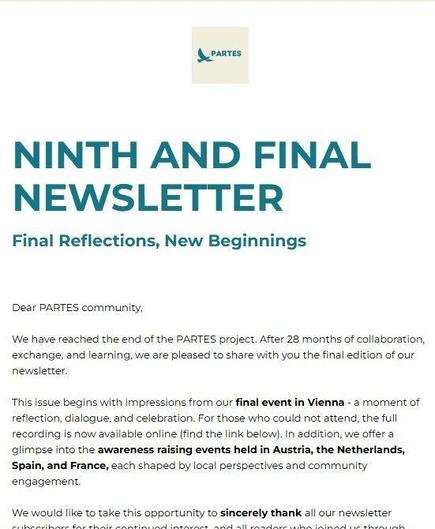
📰 The final newsletter of the PARTES project is now live!

Find highlights from our closing event in Vienna, awareness raising work across Europe, and an introduction to our new initiative PARTESS-COM.

📬 Read it here: https://partes-project.eu/so/ddPUX4p_K?languageTag=en

#partesResearch #extremist #FediResearch #interfaith #prevention #SecurityStudies #CommunityResilience #EUProjects

Tensions over Kashmir ripple far beyond India and Pakistan, pulling in global powers and shaping Central Asia’s security landscape timesca.com/india-and-pa... #KashmirConflict #CentralAsia #IndiaPakistanRelations #Geopolitics #SouthAsia #SecurityStudies

India and Pakistan: A Central ...
India and Pakistan: A Central Asian Perspective on Two Military Giants - The Times Of Central Asia

The new round of heavy clashes involving India and Pakistan over the disputed region of Kashmir – then settled by a bilateral adherence to a “full-scale

The Times Of Central Asia