 KillBait UK 🇬🇧
European Defence Expansion Raises Political and Strategic Challenges
📰 Original title: Europe is rearming itself without addressing the political consequences
🤖 IA: It's not clickbait ✅
👥 Users: It's not clickbait ✅
View full AI summary: https://en.killbait.com/european-defence-expansion-raises-political-and-strategic-challenges.html?utm_source=mastodon_social&utm_medium=social&utm_campaign=killbait_uk.mastodon_social
European Defence Expansion Raises Political and Strategic Challenges
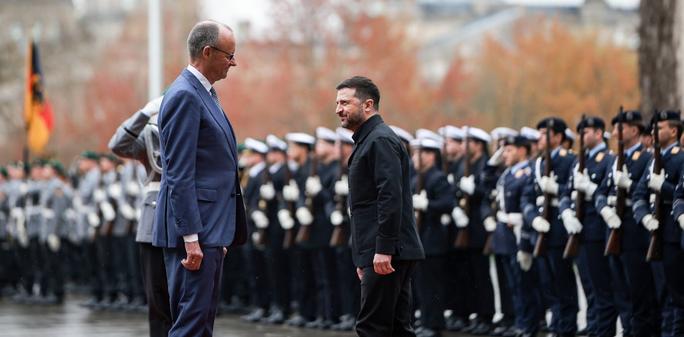
In the wake of Russia’s 2022 invasion of Ukraine and uncertainties surrounding the second Trump administration, Europe has accelerated its military build-up, emphasising the need for strategic autonomy. Defence spending across European NATO members and Canada reached US$574 billion (£422 billion) in 2025, marking a 20% increase in a single year—the sharpest rise in seven decades. While budgets are being expanded, political debates over the broader consequences of rearmament remain underdeveloped. Key concerns include the trade-off between defence and social spending, the emergence of Germany as both an economic and military power, and the potential influence of right-wing populist parties gaining control over growing arsenals. European militarisation also adds to global arms accumulation, increasing risks of conflict and environmental damage, while threatening to overshadow non-military approaches to security, such as social development and conflict prevention. Efforts to strengthen collective European defence, including proposals for a European army and the EU’s Preparedness Union Strategy, have yet to be matched by clear political frameworks or public accountability. Meanwhile, shifting security dynamics are prompting new forms of cooperation, including flexible alliances that involve both EU and non-EU states, highlighting the UK’s continuing role. European governments must address these structural and political challenges if rearmament is to be sustainable, rather than simply increasing defence budgets.
 anchore
 Viral Trend Daily


 ForensicAI_X
 Ton Lansink
 Red Global News