Matcha, a finely ground powder of specially grown green #tea leaves, has been demonstrated to reduce the sneezing response associated with allergic #rhinitis (hay fever) in animal models.
#Immunology #NutritionalScience #Matcha #sflorg
https://www.sflorg.com/2026/03/nut03112601.html
Could a hot cup of matcha dial down the ‘sneeze switch’ in allergic rhinitis?

The famed Japanese green tea powder may suppress nerve activity associated with sneezing in hay fever, according to a study in mice.

@ca There are actually some apparent results in the literature to the contrary — but this certainly wouldn't be the first study to report a negative correlation between #atopy (including #allergic #rhinitis and #atopic #dermatitis / #eczema) and cancer. I've suffered from those #atopic conditions all my life, and thought of them as the bane of my existence. Then I read one such study sometime around 2015 — and felt like awarding a medal to each individual lymphocyte! (Those are the immune-system cells most directly involved in #atopy.) You see, at age 67, I have zero personal history of cancer, and near zero family history of cancer, even in fairly distant relatives. Before I saw that first article on this subject, it had never occurred to me that those annoying #atopic conditions might be collateral damage from a vigilant and effective patrol against a much worse, and life-threatening, problem.

I have a #sinus infection, #rhinitis and likely #bronchitis (ugh)
The doctor prescribed a fairly new nasal spray, #ryaltris, one I've never used before. It does not have a #generic option.
On the left is my #prescription receipt. I thought the price before insurance was heinous enough for 1 little bottle.
I googled what it costs in the #usa as compared to here in #canada
The markup is shocking. This is robbery.
I'm so fortunate to have private insurance and lower med. costs here.
#pharma

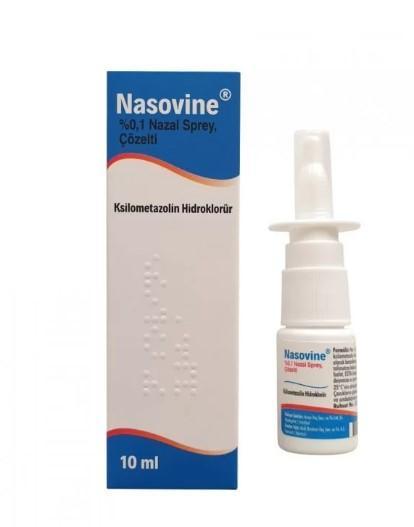
Nasovine Nasal Spray 0.1% 10 ml

This medication is used for temporary relief of congestion in the nose caused by various conditions including the common cold, sinusitis, hay fever, and allergies. It works by narrowing the blood vessels in the nose area, reducing swelling and congestion.

https://iprema.eu/product/nasovine-nasal-spray-0-1-10-ml/

#Nasovine #Rhinitis&Sinusitis

Nasovine Nasal Spray 0.1% 10 ml - IPREMA

Uses This medication is used for temporary relief of congestion in the nose caused by various conditions including the common cold, sinusitis, hay fever, and allergies. It works by narrowing the blood vessels in the nose area, reducing swelling and congestion. How to use Nazovin Drops Use this medication in the nose as directed. Follow …

IPREMA
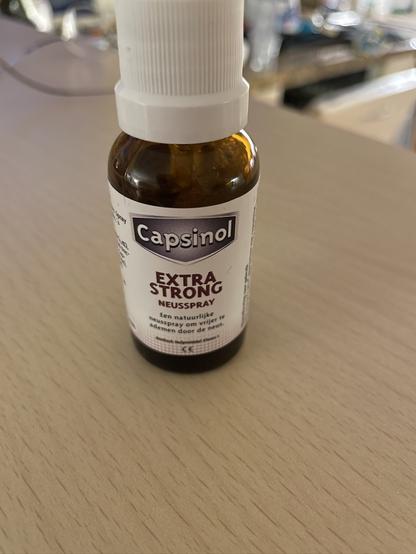
Not only to I like #capsaicin in my food, I also shoot it up my nose 😅 This stuff actually works quite well when you have #chronic #rhinitis.

I found a great resource on chronic non-allergic #rhinitis (no longer referred to as vasomotor) that may be helpful to people in medical and #pharmacy related fields (and others). It addresses everything from testing, to subtypes, ranks treatments, management, etc..
(But do check side effects of treatments if people are on other meds, have high eye pressure or #glaucoma, and so on...)

#medicine #medmastodon @medmastodon #nose #allergies #hormones #occupationalhealth

https://www.aafp.org/pubs/afp/issues/2018/0801/p171.html

Chronic Nonallergic Rhinitis

Chronic nonallergic rhinitis encompasses a group of rhinitis subtypes without allergic or infectious etiologies. Although chronic nonallergic rhinitis represents about one-fourth of rhinitis cases and impacts 20 to 30 million patients in the United States, its pathophysiology is unclear and diagnostic testing is not available. Characteristics such as no evidence of allergy or defined triggers help define clinical subtypes. There are eight subtypes with overlapping presentations, including nonallergic rhinopathy, nonallergic rhinitis with nasal eosinophilia syndrome, atrophic rhinitis, senile or geriatric rhinitis, gustatory rhinitis, drug-induced rhinitis, hormonal rhinitis, and occupational rhinitis. Treatment is symptom-driven and similar to that of allergic rhinitis. Patients should avoid known triggers when possible. First-line therapies include intranasal corticosteroids, intranasal antihistamines, and intranasal ipratropium. Combination therapy with decongestants and first-generation antihistamines can be considered if monotherapy does not adequately control symptoms. Nasal irrigation and intranasal capsaicin may be helpful but need further investigation.

Recurring vasomotor rhinitis, well, any type of #rhinitis really, is just miserable.
#Cat #Mastodon help needed please. My daughter is #fostering a cat, her first time. She’s had him 2 weeks. Unfortunately, he has a LOT of health concerns. #Entropion & chronic #rhinitis. He had eye #surgery a week ago & still looks/feels poorly. At his checkup today, they put him on oral #antibiotics & told her he has an #URI & #stomatitis. When his stitches come out, they’ll put him on #steroids for his mouth. He hates getting his meds (who doesn’t?) but doesn’t hold a grudge. Any suggestions?
Chronic #rhinitis in adults is like having your nostrils pinched closed for weeks at a time. You can't sleep, your mouth dries out from mouth-breathing... it's awful. It can lead to sinus & ear infection, polyps and maybe eventually a need for sinus surgery. It's often downplayed by the #medical community because it's not life threatening like heart disease.
Worse if a patient has high eye pressure (IOP) and high #glaucoma risk -- they can't use meds like #nasal steroids or decongestants, and many antihistamines as they can all increase IOP (via anticholinergic effects).
So, #MedMastodon, what are some good approaches for this?
This paper gives a good overview.
#rhinology #otolaryngology #otorhinolaryngology #nasal
Rhinitis in Older Adults
https://link.springer.com/article/10.1007/s11882-013-0342-3
Rhinitis in Older Adults - Current Allergy and Asthma Reports

Rhinitis symptoms of rhinorrhea, congestion, sneezing, nasal/ocular pruritis, and postnasal drainage can significantly affect the quality of life for older adults. As the US population ages, it will be increasingly important for health-care providers to effectively diagnose and manage rhinitis. Rhinitis is categorized broadly into allergic rhinitis and non-allergic rhinitis. Environmental changes and avoidance measures are a primary means of intervention. In addition, there are several topical therapies (nasal sprays) that can be effective for symptom control.

SpringerLink