 UTAZCO Overland
The Three Pillars of Work-Life Balance: Ki, Wa, Pneuma
In the pursuit of work-life balance, many seek practical strategies and external solutions. However, ancient concepts such as Ki (気), Wa (和), and Pneuma (πνεῦμα) offer profound internal frameworks for achieving harmony between professional and personal spheres. By understanding and integrating these principles, one can cultivate a more sustainable and fulfilling balance.
Understanding the Concepts
Ki: The Flow of Vital Energy
Ki (気) is a foundational concept in East Asian philosophy, medicine, and martial arts, often translated as “life force,” “energy,” or “spirit.” It is believed to be the invisible current that animates all living beings and connects them to the world around them. The idea of Ki is deeply embedded in practices such as traditional Chinese medicine (where it is called “Qi”), Japanese martial arts, and even daily language, where expressions like “genki” (元気, meaning healthy or energetic) reflect its importance.
The Nature of Ki
Ki is not a static substance but a dynamic flow. It moves through the body, mind, and environment, influencing our health, mood, and capacity for action. In traditional thought, Ki circulates along pathways called meridians, nourishing organs and tissues. When Ki is abundant and flows freely, a person feels vibrant, alert, and emotionally balanced. Conversely, when Ki is stagnant, deficient, or blocked, it can manifest as physical ailments, mental fog, or emotional distress.
Manifestations of Ki in Daily Life
- Physical Vitality: A person with strong Ki feels energetic, recovers quickly from exertion, and is less prone to illness. Physical practices such as Tai Chi, Qigong, or even mindful walking are believed to enhance the flow of Ki.
- Mental Clarity: Ki supports focus, creativity, and the ability to solve problems. When Ki is balanced, thoughts are clear and decisions come more easily.
- Emotional Resilience: Emotional ups and downs are natural, but balanced Ki helps one recover from setbacks, maintain optimism, and respond to stress with equanimity.
Signs of Imbalanced Ki
Blockages or imbalances in Ki can arise from overwork, poor diet, lack of sleep, unresolved emotions, or environmental stressors. Common signs include:
- Persistent fatigue or lethargy
- Difficulty concentrating
- Irritability or mood swings
- Frequent illness or slow recovery
- A sense of being “stuck” or uninspired
Cultivating and Balancing Ki
Maintaining the smooth flow of Ki requires conscious effort and self-awareness. Practices that support Ki include:
- Breathwork: Deep, mindful breathing calms the mind and revitalizes the body.
- Movement: Gentle exercises like yoga, Tai Chi, or stretching help release tension and stimulate energy flow.
- Rest and Nutrition: Adequate sleep and nourishing food replenish depleted Ki.
- Emotional Expression: Acknowledging and processing emotions prevents stagnation of energy.
- Connection with Nature: Spending time outdoors can refresh and harmonize Ki.
Ki in the Context of Work-Life Balance
In the modern world, demands on our time and attention can easily disrupt the flow of Ki. By tuning into our energy levels and making choices that support vitality—such as taking breaks, setting boundaries, and engaging in restorative activities—we can maintain a steady, resilient Ki. This not only enhances productivity at work but also enriches our personal lives, enabling us to show up fully for ourselves and others.
Ki is the subtle yet powerful force that underpins our well-being. By understanding and nurturing it, we lay the foundation for a balanced, harmonious life.
Wa: The Principle of Harmony
Wa (和) is a deeply rooted concept in Japanese culture, often translated as “harmony” or “peace.” Unlike harmony as a mere absence of conflict, Wa is an active, ongoing process of creating and maintaining balance within groups, relationships, and environments. It is both a social ideal and a practical guide for daily interactions, shaping how individuals relate to one another and to the world around them.
The Cultural Roots of Wa
Historically, Wa has been central to Japanese society, where group cohesion and social order are highly valued. The character 和 appears in words like “Wagashi” (traditional Japanese sweets, symbolizing harmony with nature and the seasons) and “Wafuku” (traditional Japanese clothing, reflecting harmony with tradition). In the Japanese constitution, the term Wa is used to express the aspiration for peace and unity.
Wa in Relationships and Communities
At its core, Wa is about fostering relationships built on mutual respect, empathy, and consideration. It encourages individuals to be sensitive to the needs and feelings of others, to avoid unnecessary confrontation, and to seek consensus rather than impose their own will. This does not mean suppressing individuality or avoiding all disagreement, but rather approaching differences with a spirit of cooperation and understanding.
- Communication: In a Wa-oriented environment, communication is often indirect and nuanced, prioritizing the preservation of group harmony over blunt honesty. Listening attentively and reading between the lines are valued skills.
- Conflict Resolution: When conflicts arise, the goal is not to “win” but to restore balance. Solutions are sought that allow all parties to save face and maintain positive relationships.
- Shared Responsibility: Wa encourages a sense of collective responsibility. Successes and failures are seen as shared, fostering teamwork and reducing blame.
Wa in the Workplace
In professional settings, Wa manifests as a collaborative atmosphere where teamwork, consensus-building, and respect for hierarchy are emphasized. Meetings may take longer as everyone’s input is considered, but the resulting decisions are more likely to be supported by the whole group. Leaders who embody Wa act as facilitators, guiding the group toward unity rather than dictating outcomes.
- Teamwork: Projects are approached collectively, with each member contributing to the group’s success.
- Work Environment: Efforts are made to create a pleasant, supportive atmosphere, reducing stress and promoting well-being.
- Decision-Making: Consensus is valued over unilateral decisions, ensuring that everyone feels heard and included.
Wa at Home and in Personal Life
Wa is equally important in family and personal relationships. It encourages open communication, shared responsibilities, and the nurturing of a peaceful home environment. Family members strive to understand each other’s perspectives, resolve disagreements amicably, and support one another’s growth.
- Emotional Support: Family and friends provide a network of care, helping individuals navigate life’s challenges.
- Rituals and Traditions: Shared activities, such as meals or celebrations, reinforce bonds and create a sense of belonging.
The Role of Wa in Work-Life Balance
Wa serves as a guiding principle for balancing the demands of work and personal life. By prioritizing harmony, individuals are more likely to set healthy boundaries, communicate their needs, and seek solutions that benefit both themselves and those around them. This reduces stress, prevents burnout, and fosters a sense of fulfillment.
- Boundary Setting: Harmonious relationships make it easier to negotiate time for rest, family, and personal pursuits.
- Support Systems: A culture of Wa ensures that individuals feel supported both at work and at home, making it easier to manage competing demands.
Wa is more than just the absence of conflict; it is the active cultivation of harmony in all areas of life. By embracing Wa, we create environments—both professional and personal—where everyone can thrive. In the context of work-life balance, Wa reminds us that true fulfillment comes not from individual achievement alone, but from the quality of our relationships and the peace we foster within our communities.
Pneuma: The Breath of Spirit
Pneuma (πνεῦμα) is a profound concept originating in ancient Greek philosophy, medicine, and spirituality. The word itself means “breath,” “wind,” or “spirit,” and it represents the animating force that gives life to all beings. Pneuma is not just the physical act of breathing, but the very essence of vitality, consciousness, and presence.
The Philosophical Roots of Pneuma
In classical Greek thought, especially in the works of philosophers like Plato, Aristotle, and the Stoics, Pneuma was considered the vital principle that permeates the cosmos and animates living creatures. The Stoics, for example, saw Pneuma as the divine rationality that orders the universe and resides within each person as the source of reason and life.
In ancient Greek medicine, Hippocrates and Galen described Pneuma as the life-giving air that circulates through the body, sustaining health and consciousness. This idea closely parallels the Eastern concepts of Ki or Qi, highlighting a universal recognition of a subtle, animating force.
Pneuma and Mindfulness
Pneuma is intimately connected to the breath, which serves as a bridge between body and mind. Conscious breathing is one of the most accessible ways to cultivate mindfulness—a state of focused awareness on the present moment. By paying attention to the breath, we anchor ourselves in the here and now, quieting mental chatter and fostering a sense of calm.
- Breath as Anchor: Focusing on the inhalation and exhalation draws attention away from distractions and worries, grounding us in the present.
- Regulation of Emotions: Slow, deep breathing activates the parasympathetic nervous system, reducing stress and promoting relaxation.
- Gateway to Awareness: Mindful breathing opens the door to deeper self-awareness, allowing us to observe thoughts and feelings without judgment.
Pneuma and Presence
To embody Pneuma is to live with presence and intention. Presence means being fully engaged with whatever we are doing—whether working, conversing, or simply resting. It is the opposite of living on autopilot or being lost in regrets about the past or anxieties about the future.
- Intentional Living: Pneuma encourages us to act with purpose, making conscious choices rather than reacting impulsively.
- Deep Connection: When we are present, we connect more authentically with others, listening deeply and responding with empathy.
- Inner Peace: Presence brings a sense of tranquility, as we let go of unnecessary striving and accept each moment as it is.
Pneuma and Inner Peace
Cultivating Pneuma involves nurturing the spirit within. This can be achieved through practices such as meditation, prayer, contemplation, or simply spending quiet time in nature. These activities help us reconnect with our core values, aspirations, and sense of meaning.
- Reflection: Taking time to reflect on our experiences and intentions helps align our actions with our deeper selves.
- Spiritual Practices: Engaging in rituals or practices that resonate with us—whether religious or secular—can nourish the spirit and foster resilience.
- Acceptance: Pneuma teaches acceptance of the ebb and flow of life, helping us navigate challenges with grace and composure.
Pneuma in the Context of Work-Life Balance
In the modern world, it is easy to become disconnected from our inner spirit amid constant busyness and external demands. Pneuma reminds us to pause, breathe, and return to ourselves. By integrating mindful breathing and presence into our daily routines, we can:
- Reduce stress and prevent burnout
- Make more thoughtful decisions about how we spend our time and energy
- Enhance our relationships through deeper listening and empathy
- Find meaning and satisfaction in both work and personal life
Pneuma is the breath of spirit that animates and sustains us. By honoring this vital force through mindfulness, presence, and intentional living, we cultivate inner peace and resilience. In the quest for work-life balance, Pneuma serves as a gentle guide, reminding us to slow down, breathe deeply, and live each moment with awareness and purpose.
Applying Ki, Wa, and Pneuma to Work-Life Balance
Cultivating Ki: Managing Energy, Not Just Time
In the modern world, the dominant approach to productivity and balance often centers on time management—organizing schedules, setting deadlines, and maximizing hours. While these strategies have their place, they overlook a crucial dimension: the quality and flow of our energy, or Ki. By shifting focus from merely managing time to consciously managing energy, we can achieve greater effectiveness, satisfaction, and well-being in both work and life.
The Limitations of Time Management
Time is a finite resource, equally distributed to everyone. However, not all hours are created equal. Some periods of the day, we feel alert, creative, and motivated; at other times, we may feel sluggish or distracted. Traditional time management does not account for these natural fluctuations in energy. As a result, we may find ourselves working long hours but achieving little, or feeling exhausted despite having “free time.”
Understanding Your Ki Rhythms
Cultivating Ki begins with self-awareness. Each person has unique energy patterns—times of peak alertness and periods of natural fatigue. These rhythms are influenced by factors such as sleep, nutrition, emotional state, and even the environment.
- Morning Energy: Many people experience a surge of Ki in the morning, making it an ideal time for tasks that require focus and creativity.
- Afternoon Slump: Energy often dips in the early afternoon, suggesting a need for lighter tasks or restorative breaks.
- Evening Renewal: For some, Ki returns in the evening, providing a second wind for reflection or personal projects.
By observing and honoring these patterns, you can align your most important or demanding work with your natural peaks in Ki, and reserve less critical activities for lower-energy periods.
Practices to Enhance and Sustain Ki
Monitoring Energy Drains and Gains
Throughout the day, pay attention to what activities, environments, and interactions affect your Ki. Some tasks may leave you feeling invigorated, while others drain your vitality. Similarly, certain people or settings may either uplift or exhaust you.
- Energy Drains: Prolonged screen time, negative conversations, multitasking, or cluttered environments can sap Ki.
- Energy Gains: Meaningful work, supportive relationships, time in nature, and creative pursuits often replenish Ki.
By identifying these patterns, you can make conscious choices to minimize drains and maximize gains, protecting your energy reserves.
Scheduling with Ki in Mind
Instead of filling your calendar indiscriminately, design your day around your energy peaks and valleys. Tackle high-priority or complex tasks when your Ki is strongest. Reserve routine or administrative work for lower-energy times. Build in regular intervals for rest, reflection, and renewal.
- Morning: Deep work, creative projects, strategic planning
- Midday: Meetings, collaborative tasks, light exercise
- Afternoon: Administrative work, emails, restorative breaks
- Evening: Reflection, learning, leisure activities
The Benefits of Energy Management
When you manage your Ki, you not only become more productive but also more resilient and fulfilled. You are less likely to experience burnout, more able to adapt to challenges, and better equipped to enjoy both work and personal life. Over time, this approach fosters a sustainable rhythm that supports long-term well-being.
Cultivating Ki is about honoring your natural energy cycles and making choices that support vitality. By managing energy—not just time—you create the conditions for true balance, enabling you to show up fully in every area of your life. This shift in perspective is a powerful step toward a more harmonious and meaningful existence.
Fostering Wa: Creating Harmony in Relationships
Work-life balance is not simply a matter of dividing hours between professional and personal obligations; it is deeply influenced by the quality of our relationships. The principle of Wa (和)—harmony—reminds us that balance is a collective achievement, nurtured through our interactions with others and with ourselves. By fostering harmonious relationships, we create an environment where both work and life can flourish.
Harmony Begins with Self
Before harmony can be extended outward, it must be cultivated within. This means developing self-awareness, self-compassion, and a willingness to acknowledge one’s own needs and limitations. When you are at peace with yourself, you are better equipped to engage positively with others.
- Self-Reflection: Regularly check in with your emotions and energy levels. Are you feeling overwhelmed, resentful, or disconnected? Recognizing these feelings early allows you to address them constructively.
- Setting Boundaries: Harmony does not mean always saying yes. It involves setting healthy boundaries to protect your well-being, which in turn enables you to be more present and supportive in your relationships.
Building Trust Through Communication
Open, honest, and respectful communication is the foundation of harmonious relationships. In both professional and personal contexts, misunderstandings and conflicts often arise from assumptions or unspoken expectations.
- Active Listening: Give your full attention to others when they speak. Listen not just to their words, but to their feelings and intentions. This fosters trust and makes others feel valued.
- Empathy: Strive to understand situations from others’ perspectives. Empathy bridges differences and helps resolve conflicts before they escalate.
- Clarity: Express your own needs and concerns clearly and kindly. Avoid passive-aggressive behavior or bottling up frustrations, as these can erode harmony over time.
Wa in the Workplace
A harmonious workplace is one where collaboration, respect, and mutual support are prioritized over competition and individualism.
- Collaboration: Encourage teamwork and shared responsibility. Recognize and celebrate collective achievements, and support colleagues in their challenges.
- Mutual Support: Offer help when others are struggling, and be willing to ask for assistance when you need it. This reciprocity strengthens bonds and creates a sense of belonging.
- Conflict Resolution: Address disagreements promptly and constructively. Focus on finding solutions that honor everyone’s needs, rather than assigning blame.
Leaders play a crucial role in modeling Wa by fostering inclusive, respectful environments and mediating conflicts with fairness and sensitivity.
Wa at Home and in Personal Life
Harmony at home is the bedrock of personal well-being. It is cultivated through shared experiences, open communication, and mutual care.
- Quality Time: Prioritize regular moments of connection with loved ones, whether through shared meals, conversations, or activities. These moments reinforce bonds and create a sense of security.
- Shared Responsibilities: Distribute household tasks and responsibilities fairly, recognizing each person’s contributions and needs.
- Emotional Support: Be present for each other during times of stress or change. Offer encouragement, understanding, and reassurance.
The Ripple Effect of Wa
When harmony is established in one area of life, it often spreads to others. A supportive home environment can buffer the stresses of work, while positive workplace relationships can enhance your overall sense of fulfillment. Conversely, unresolved conflicts or disharmony in one sphere can spill over and disrupt balance elsewhere.
Fostering Wa is an ongoing, dynamic process that requires intention, effort, and compassion. By nurturing harmonious relationships—with colleagues, family, and oneself—you create a foundation for true work-life balance. In such an environment, individuals are empowered to thrive, and the collective well-being is elevated. Harmony, then, is not just a goal, but a way of being that enriches every aspect of life.
Embracing Pneuma: Mindfulness and Presence
Pneuma, as the breath of spirit, is not only a philosophical concept but also a practical guide for living with greater awareness and intention. In the context of work-life balance, embracing Pneuma means cultivating mindfulness and presence—qualities that allow us to experience life more fully, respond to challenges with equanimity, and make choices that align with our deepest values.
The Power of Presence
Presence is the art of being fully engaged with whatever is happening right now. It is the opposite of distraction, rumination, or living on autopilot. When we are present, we bring our whole selves—body, mind, and spirit—to the moment, whether we are working on a project, having a conversation, or simply enjoying a quiet cup of tea.
- At Work: Presence enables us to focus deeply, listen attentively, and respond thoughtfully. It helps us avoid mistakes caused by haste or inattention and allows us to find satisfaction in even routine tasks.
- At Home: Presence transforms ordinary moments with loved ones into meaningful experiences. It allows us to truly connect, to notice the small joys, and to offer genuine support.
Mindfulness as a Path to Pneuma
Mindfulness is the practice of paying deliberate, non-judgmental attention to the present moment. It is a way of training the mind to notice what is happening—both within and around us—without being swept away by worries, regrets, or distractions.
- Conscious Breathing: The breath is a powerful anchor to the present. By focusing on the sensation of each inhale and exhale, we can calm the nervous system, reduce stress, and return to a state of centeredness. Even a few mindful breaths can create a pause in a hectic day, allowing us to reset and refocus.
- Reflective Journaling: Writing about our thoughts, feelings, and experiences helps us process emotions, gain perspective, and clarify our intentions. Journaling can reveal patterns in how we spend our time and energy, highlighting areas where we might want to make changes.
- Body Awareness: Mindfulness can also be practiced by tuning into bodily sensations—feeling the ground beneath our feet, noticing tension in the shoulders, or savoring the taste of food. This grounds us in the here and now, making each moment more vivid and real.
Reducing Anxiety and Reactivity
One of the greatest benefits of embracing Pneuma through mindfulness is the reduction of anxiety about the future and regret about the past. When we are present, we are less likely to be caught in cycles of worry or self-criticism. Instead, we can respond to challenges with greater calm and clarity.
- Emotional Regulation: Mindfulness helps us notice emotions as they arise, without immediately reacting. This creates space to choose our responses, rather than being driven by habit or impulse.
- Resilience: By regularly reconnecting with our inner spirit, we build resilience—the ability to recover from setbacks and adapt to change.
Making Intentional Choices
Presence and mindfulness empower us to make more intentional decisions about how we spend our time and energy. Instead of being pulled in every direction by external demands or internal pressures, we can pause, reflect, and act in ways that are aligned with our values and priorities.
- Setting Priorities: Mindfulness clarifies what truly matters, helping us say no to distractions and yes to what nourishes us.
- Work-Life Integration: By being present in each sphere of life, we can transition more smoothly between roles and responsibilities, reducing the sense of conflict or fragmentation.
Integrating Pneuma into Daily Life
- Start the Day Mindfully: Begin each morning with a few minutes of conscious breathing or quiet reflection, setting an intention for the day.
- Mindful Transitions: Use brief pauses between activities—such as walking from one meeting to another or commuting home—to reconnect with your breath and center yourself.
- Evening Reflection: End the day with gratitude or journaling, acknowledging what went well and letting go of what you cannot change.
Embracing Pneuma through mindfulness and presence is a transformative practice. It allows us to meet the demands of work and life with greater calm, clarity, and purpose. By regularly reconnecting with our inner spirit, we create space for joy, creativity, and authentic connection—laying the foundation for a truly balanced and meaningful life.
Integrating the Principles
Achieving work-life balance is not a one-time accomplishment, but a continuous, evolving journey. Life’s demands, environments, and personal needs are always shifting, requiring us to adapt and recalibrate. Integrating the principles of Ki, Wa, and Pneuma offers a holistic framework that supports this ongoing process, weaving together self-awareness, harmonious relationships, and mindful presence into a resilient and adaptable way of living.
The Dynamic Nature of Balance
Work-life balance is often misunderstood as a static state—a perfect equilibrium where work and personal life are always in harmony. In reality, balance is dynamic. There will be times when work requires more attention, and others when personal or family needs take precedence. The key is not to achieve a permanent state of balance, but to develop the skills and awareness to recognize when adjustments are needed and to respond with flexibility and intention.
Ki: Sustaining Your Vital Energy
Integrating Ki means regularly tuning into your energy levels and making choices that support your vitality. This involves:
- Checking in with yourself throughout the day to notice when your energy is high or low.
- Adjusting your schedule and commitments to match your natural rhythms.
- Prioritizing self-care practices—such as rest, movement, and nutrition—that replenish your Ki.
- Recognizing early signs of depletion and taking proactive steps to restore balance.
By making energy management a daily habit, you build a foundation of resilience that supports you through both busy and restful periods.
Wa: Nurturing Harmony in Relationships
Wa reminds us that balance is not achieved in isolation. It is shaped by the quality of our relationships and the environments we inhabit. Integrating Wa involves:
- Practicing empathy, active listening, and open communication with colleagues, friends, and family.
- Creating supportive networks at work and at home, where mutual respect and collaboration are valued.
- Addressing conflicts constructively and seeking solutions that honor everyone’s needs.
- Sharing responsibilities and celebrating collective achievements.
When harmony is prioritized, stress is reduced, misunderstandings are minimized, and a sense of belonging and support is cultivated—making it easier to navigate the demands of both work and life.
Pneuma: Cultivating Mindful Presence
Pneuma brings the dimension of spirit and consciousness to the process of balance. Integrating Pneuma means:
- Regularly practicing mindfulness, whether through conscious breathing, meditation, or simply pausing to notice the present moment.
- Reflecting on your values and intentions, ensuring that your actions align with what matters most to you.
- Responding to challenges with calm and clarity, rather than reactivity or overwhelm.
- Creating rituals or moments of stillness that allow you to reconnect with your inner self.
Mindful presence helps you make intentional choices, appreciate the richness of each moment, and maintain perspective during times of stress or change.
The Synergy of Ki, Wa, and Pneuma
When these three principles are integrated, they reinforce and enhance one another:
- Ki provides the energy and vitality needed to engage fully with life.
- Wa creates the supportive, harmonious environments that allow energy to flow freely and relationships to thrive.
- Pneuma grounds you in the present, helping you navigate life’s complexities with awareness and grace.
Together, they form a dynamic system that adapts to changing circumstances, supports well-being, and fosters a deep sense of fulfillment.
Practical Integration in Daily Life
- Begin each day with a brief check-in: How is your energy (Ki)? What relationships or interactions will be important today (Wa)? What intention will guide your actions (Pneuma)?
- Throughout the day, notice when you feel out of balance. Is your energy low? Is there tension in a relationship? Are you feeling scattered or disconnected? Use the principles to guide your response.
- End the day with reflection: What supported your balance today? What could be adjusted tomorrow?
Integrating Ki, Wa, and Pneuma transforms work-life balance from a rigid goal into a living practice. This holistic approach empowers you to adapt gracefully to life’s inevitable changes, maintain inner stability, and experience a deeper sense of fulfillment. By weaving together energy, harmony, and mindful presence, you create a resilient foundation for a balanced and meaningful life.
Conclusion
The pursuit of work-life balance is often framed as a matter of logistics: organizing schedules, setting boundaries, and managing competing demands. While these practical strategies are important, they only address the surface of a much deeper process. By drawing on the wisdom of Ki, Wa, and Pneuma, we can transform work-life balance from a checklist of tasks into a profound journey of personal growth and self-discovery.
Beyond Logistics: A Holistic Transformation
When we approach balance solely as a logistical challenge, we risk treating our lives as a series of boxes to be checked or problems to be solved. This mindset can lead to frustration, as the complexities of modern life rarely fit neatly into rigid plans. Instead, integrating Ki, Wa, and Pneuma invites us to see balance as a living, evolving process—one that requires ongoing attention, adaptability, and care.
Nurturing Your Energy (Ki)
By prioritizing the cultivation and management of Ki, we learn to honor our own rhythms and needs. This means listening to our bodies, respecting our limits, and making choices that sustain our vitality. When we nurture our energy, we become more resilient, creative, and capable of meeting life’s demands without sacrificing our well-being. Instead of pushing through exhaustion or ignoring signs of burnout, we develop the wisdom to rest, recharge, and engage in activities that replenish our Ki. This ongoing attention to our energy not only enhances productivity but also brings a sense of ease and enjoyment to both work and personal life.
Fostering Harmony (Wa)
Fostering Wa involves intentionally cultivating harmony in our relationships and environments. This begins with empathy and active listening—valuing the perspectives and needs of others as much as our own. In the workplace, fostering Wa means contributing to a culture of collaboration, mutual respect, and shared purpose. At home, it means prioritizing quality time, open communication, and emotional support. When harmony is present, conflicts are resolved constructively, and trust flourishes. This sense of interconnectedness and mutual care creates a supportive foundation, making it easier to navigate challenges and celebrate successes together. Ultimately, Wa transforms our interactions from sources of stress into sources of strength and fulfillment.
Cultivating Presence (Pneuma)
Cultivating Pneuma is about developing mindfulness and presence in every aspect of life. By anchoring ourselves in the present moment—through conscious breathing, meditation, or simple awareness—we quiet the noise of distractions and anxieties. This mindful presence allows us to respond to situations with clarity and intention, rather than reacting out of habit or stress. Pneuma also invites us to connect with our deeper values and sense of purpose, guiding our choices and actions. When we regularly reconnect with our inner spirit, we find greater meaning in our daily experiences and are better equipped to handle uncertainty and change. Presence, then, becomes both a refuge and a source of inspiration, enriching our journey toward balance and fulfillment.
#Balance #ki #Life #Philosophy #pneuma #Wa #Work #WorkLifeBalance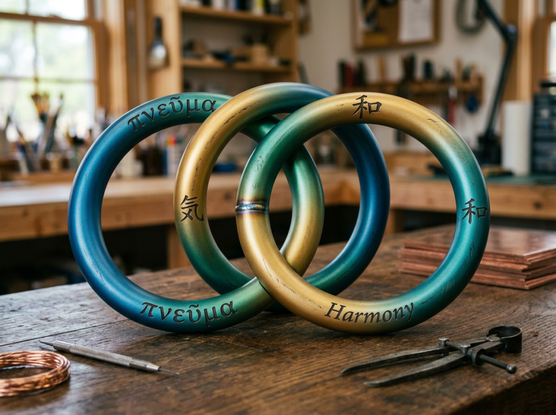
 Blütensthaub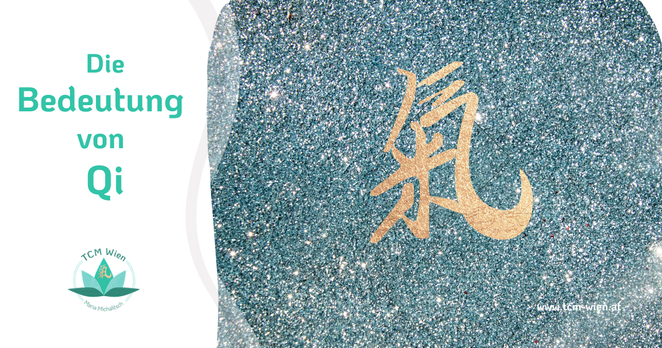


 \u1f0a1
 Gavin
Gavin
 African Paper
 🤘 The Metal Dog 🤘
 Rutger van Deelen
 Santiago