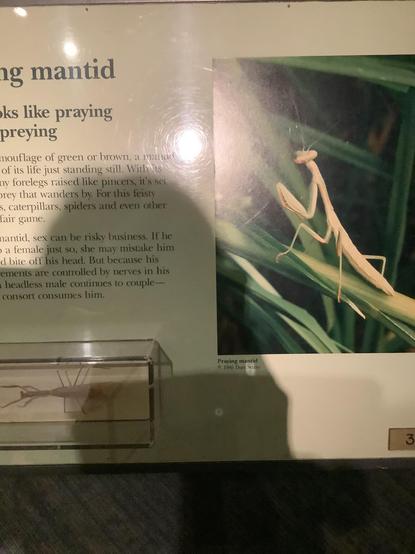
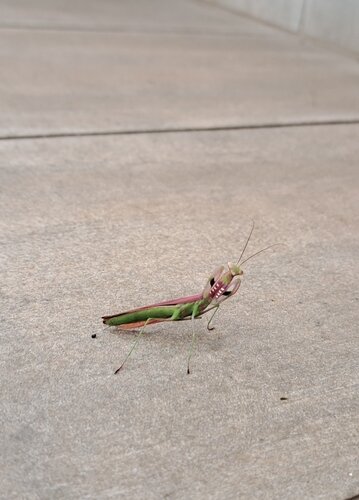
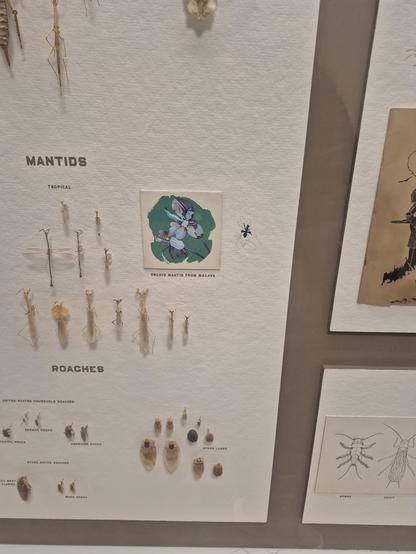
#Mantises are an order (Mantodea) of insects that contains over 2,400 species in about 460 genera in 33 families. The largest family is the Mantidae ("mantids"). Mantises are distributed worldwide in temperate and tropical habitats. They have triangular heads with bulging eyes supported on
Богомолье

Telegraph

#MantisMonday, anyone?

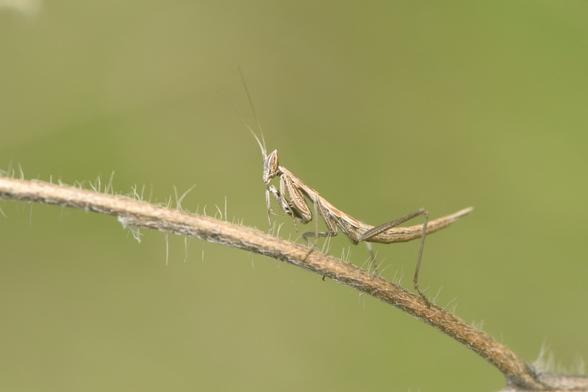
A small Iberian mantis (Apteromantis aptera) [probably] showcasing its peculiar eyes.

#mantis #mantises #insects #nature #naturephotography #naturephoto #animal

Carolina Mantis (Stagmomantis carolina)

Carolina Mantis in September 2024 by skyfaller. It's hard to see its face, but I think this has the characteristic long and narrow face shield: h...

iNaturalist

2/2

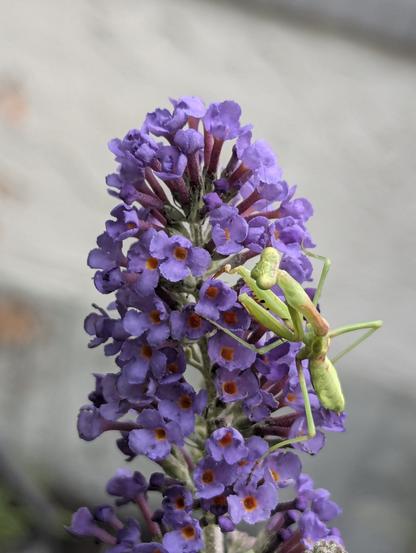
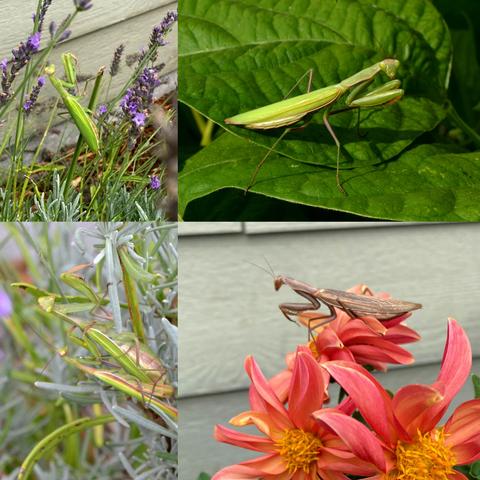
Ever since, come September, we have many praying mantises in our yard. Egg sacs appear every fall, hidden around the yard, and the next year we see the mantises again. The pictures are from the last few years; the one of mating mantises is of Rosie and one of her friends.

I read that they probably hatch in June, but we’ve never seen any babies until now.

I’m just surprised to have gone my entire life seeing one or two mantises, and now we see maybe a dozen in our yard every year. We feel privileged; they’re such beautiful and interesting creatures.

We live on the Olympic Peninsula of Washington State, in a dry prairie region. My question for any #entomologists out there: is something going on? Is this related to the changing climate? Or is it just a result of random migrations?

#insects #bugs #entomology #entomologists #prayingmantises #mantises

1/2

In September 2020, for probably only the second or third time in my entire life, we saw an adult praying mantis in our back yard. For a month or so we watched her hunt, feed, mate with several different males, and grow a bulging abdomen. We called her Rosie.

Finally, she was gone, and later we found an egg sac attached to our wooden fence.

#insects #bugs #entomology #entomologists #prayingmantises #mantises

Aggressive Mantis Squad

YouTube

For #FossilFriday meet an ancestor of today's #cockroaches, #mantises and #termites. This lovely #insect is Sysciophlebia, and lived ~295 million years ago, in what is today Germany. It was 3.6cm long, and was a female. How do we know? Well, that structure highlighted in red is the ovipositor, which is used to lay eggs. And while this is quite cockroach-like in appearance, modern cockroaches lay eggs in an egg case, the ootheca.

#palaeontology #paleontology #fossil #science #entomology