Time for a new #introduction!

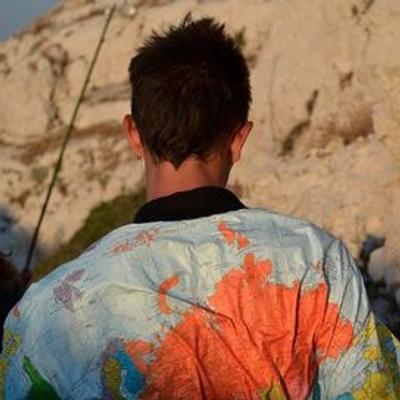
I'm a former #geographer & #mapmaker, now working on a #PhD project in digital #archaeology, between #Prehistory and #openSource #geospatial.

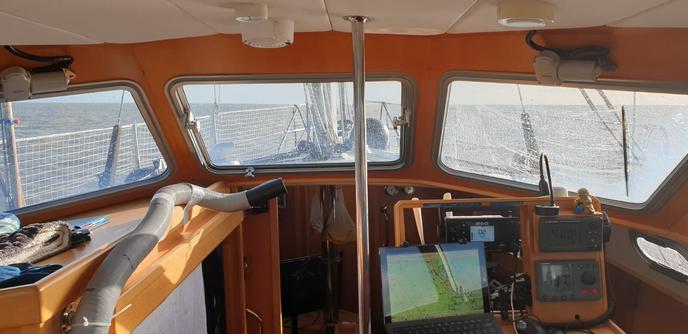
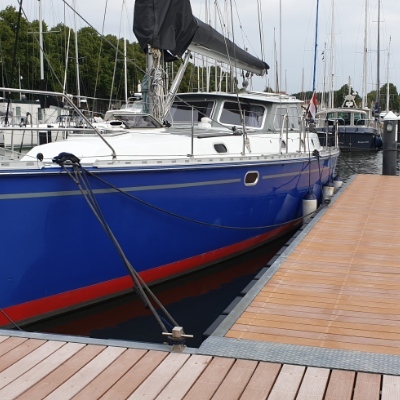
I used to work as an #artist, I'm into #sailing (I was #livingAboard during a few years) and #musicMaking is my happy place. I'm also a happy #dad and I'm fluent in fr, en & es.

Finally, I'm the proud admin of https://Mapstodon.space, a great #Mastodon instance dedicated to maps — & full of decent and interesting people!

Mapstodon.Space

Mapstodon.space is an online community dedicated to cartography & geospatial.

Mastodon hosted on mapstodon.space

It's #introduction time:

I'm a geographer working as a mapmaker and codewriter for the open science in archaeology. #QGIS, #Python & #Django are my favorite tools right now.

Beside geospatial and web, I've worked before as a performer & artist. I'm into #sailing & I've been #livingaboard during a couple of years. I'm fluent in French, English & Spanish, and playing music is my happy place!

I'm also the admin of mapstodon.space. Quite excited to see y'all around here!

there needs to be more #poasts about #boats #livingaboard #boatpunk
here's an article about people who live on a barge of about 250 derelect boats out off the coast of norcal
https://harpers.org/archive/2019/05/lost-at-sea-richardson-bay/
[Letter from California] Lost at Sea, by Joe Kloc | Harper's Magazine

A few miles north of San Francisco, off the coast of Sausalito, is Richardson Bay, a saltwater estuary where roughly one hundred people live out of sight from the world. Known as anchor-outs, they make their homes a quarter mile from the shore, on abandoned and unseaworthy vessels, doing their best, with little or no money, to survive. Life is not easy. There is always a storm on the way, one that might capsize their boats and consign their belongings to the bottom of the bay. But when the water is calm and the harbormaster is away, the anchor-­outs call their world Shangri-lito. They row from one boat to the next, repairing their homes with salvaged scrap wood and trading the herbs and vegetables they’ve grown in ten-gallon buckets on their decks. If a breeze is blowing, the air fills with the clamoring of jib hanks. Otherwise, save for a passing motorboat or a moment of distant chatter, there is only the sound of the birds: the sparrows that hop along the wreckage of catamarans, the egrets that hunt herring in the eelgrass, and the terns that circle in the sky above.

Harper's Magazine