Johan Noldal
200 000 bilder och en fu*k you-lösning!
Del 2 i min bloggserie om projektet digital hemflytt är nu publicerad. Denna gång är fokus hanteringen av bilder med en hybridlösning.
https://noldal.se/02-200-000-bilder-och-en-fu-k-you-losning/
#selfhosting #degoogleyourself #dataownership #immich #Lightroom #foto
Del 2 i min bloggserie om projektet digital hemflytt är nu publicerad. Denna gång är fokus hanteringen av bilder med en hybridlösning.
https://noldal.se/02-200-000-bilder-och-en-fu-k-you-losning/
#selfhosting #degoogleyourself #dataownership #immich #Lightroom #foto
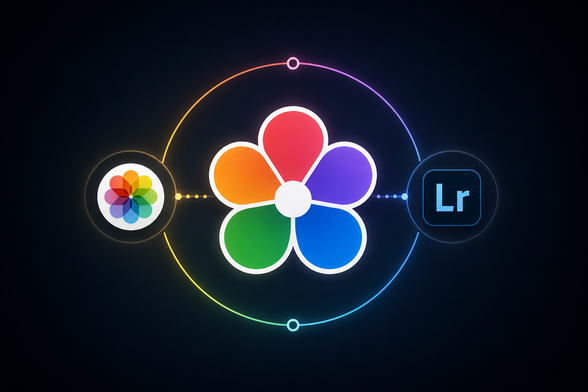
02 - 200 000 bilder och en fu*k you-lösning
200 000 bilder och filmer, spridda på iCloud, externa hårddiskar och några gamla minneskort i en låda. För mig är foton inte bara oersättliga minnen utan också en hobby - det är något jag redigerar, sorterar och delar i princip varje dag! Då räcker inte "någonstans i molnet" som svar
 Megatech photos
 Keepita

 InfraRed
 MyCurator
 rhodzy