Bạn đang cân nhắc chạy Home Assistant + Immich trên mini PC Celeron J3455 (4 core, 7.6 GB RAM) dùng Proxmox. HA VM hiện đã chi 2 core, 4 GB RAM. Câu hỏi: liệu tài nguyên này đủ cho cả HA và Immich không, và cách tối ưu hoá? #Selfhosted #HomeAssistant #Immich #MiniPC #Celeron #Proxmox #Vietnam

https://www.reddit.com/r/selfhosted/comments/1qru6ik/can_i_and_should_i_run_ha_immich_on_this_mini_pc/

Windows プロセッサ要件 - Windows 11 でサポートされている Intel プロセッサ

この仕様では、Windows 製品 (カスタム イメージを含む) が含まれている Windows 11 カスタマー システムで使用できる Intel プロセッサについて詳しく説明します。

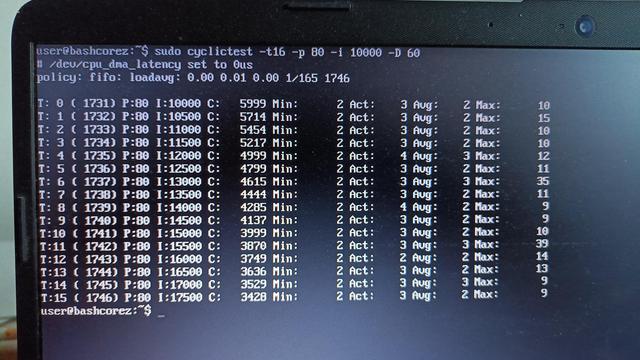
Checkmate. The final #BashCoreZ #PREEMPT_RT test is in:

On a budget 2-core Celeron N4500 laptop (250€), Max Jitter hit an insane **39µs** after isolating network noise!

This proves it: Hardware specs count for little. The clean, zero-bloat kernel is EVERYTHING. We're delivering near Hard Real-Time performance with minimal cost.

29µs on i7 vs. 39µs on Celeron? The difference is negligible. BashCoreZ RT is the definitive, free Real-Time solution. 👑

#LinuxRT #LowLatency #Celeron #MITLicense

```
Bài viết mới chỉ ra rằng, phiên bản Máy tính K2 (Kimi K2) dùng chip Intel Pentium và Celeron có những lỗi và thất bại về mặt tư duy, nhận thức, khá tệ hại. Dự kiến giá chỉ 2-3 triệu đồng nhưng so với "đàn anh" Kimi 0905 lại không thua kém chút nào, thực sự không令人失望.
Tags: #newsmore #tech #ai #intel #pentium #celeron #kими #productId14966
Tiêu đề: New Kimi K2 Thinking are Pretty Disappointing. Much worse than Kimi 0905
Tags (Vietnamese): #newsmore #tech #ai #intel #pentium #celeron #kimi #pr

N100 это не только ценный мех: самые совершенные процессоры для офисных задач

Современный даже celeron N это не только ценный мех — поддержка AES инструкций (для вездесущего HTTPS) и аппаратного декодирования видео, что «в то время» появлялось только в i5! Прошлый опыт о low‑end — в топку, он необъективен. А в последнее время в low‑end произошла вообще революция, которую нельзя не замечать!

https://habr.com/ru/articles/947768/

#lean #celeron #macbook_air

N100 это не только ценный мех: самые совершенные процессоры для офисных задач

сферический ценный мех в вакууме Так как люди в массе своей радуются мощности под капотом ради самой мощности, в любом обзоре на тему «самый совершенный современный процессор»,...

Хабр

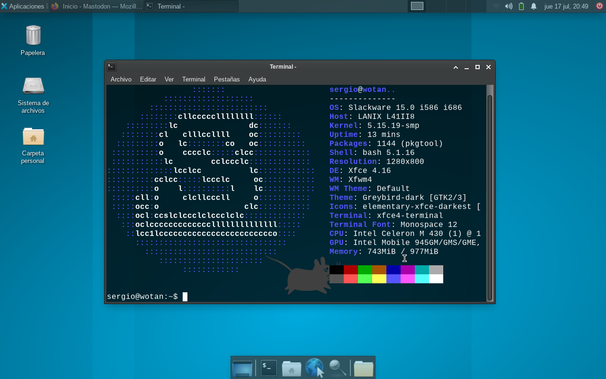
Para quienes dicen que ya no tiene sentido dar soporte a máquinas de #32bits, aquí está mi #Lanix #Celeron 1GHz, de aproximadamente 25 años, corriendo #Slackware 15.0 como el primer día

#linux #xfce #escritorio

@yrabbit I ran #FreeBSD with #ZFS on a laptop with a #Celeron processor and 2 GB RAM. I'm pretty sure insufficient computing resources were not the problem in your case ;)

Fun post: Dave Farquhar, History of #overclocking

https://dfarq.homeip.net/history-of-overclocking/

A quote about #Celeron:

> In 1998, Intel released the Celeron to compete with cheap CPUs from AMD and Cyrix. To make it, they took all of the Level 2 cache off a Pentium II, clocked it at 266 or 300 MHz, and sold it at an AMD-like price. But due to the lack of L2 cache, it was slower than a previous-generation Pentium running at 233 MHz, let alone an AMD or Cyrix chip running at 266 or 300 MHz.
>
> But the L2 cache was the Pentium II’s limiting factor in overclocking. So a 266 MHz Celeron ran happily at 400 MHz, or potentially even 450 MHz, the same speed as the fastest Pentium II at the time. It was slower than a Pentium II at the same speed, but it worked well for 3D gaming.
>
> But the only people who bought those Celerons were overclockers and people who didn’t know anything about computers. […]

History of overclocking

Learn how overclocking has changed over the years, from Chuck Peddle's experiments in the 1970s to enthusiast sites in the 90s and beyond.

The Silicon Underground

Ciekawy post: Dave Farquhar, History of #overclocking

https://dfarq.homeip.net/history-of-overclocking/

Cytat na temat procesorów #Celeron (tłum. moje):

> W roku 1998, Intel wydał Celerona, by konkurować z tanimi procesorami AMD i Cyriksa. W tym celu usunięto cache L2 z Pentiuma II, ustawiono zegar na 266 albo 300 MHz, i sprzedawano w cenie zbliżonej do AMD. Ale ze względu na brak cache'a L2, te procesory były mniej wydajne niż Pentium poprzedniej generacji z zegarem 233 MHz, nie wspominając o AMD czy Cyriksach z 266 albo 300 MHz.
>
> Ale cache L2 stanowił ograniczenie dla podkręcania procesorów Pentium II. Więc 266 MHz-owy Celeron z radością chodził przy 400 MHz, albo nawet 450 MHz — podobnie jak najszybsze dostępne wersje Pentium II. Był mniej wydajny niż Pentium II przy tym samym zegarze, ale do gier 3D się nadawał.
>
> Te Celerony kupowały dwa rodzaje osób: overclockerzy, oraz ludzie, którzy nie mieli pojęcia o komputerach. […]

History of overclocking

Learn how overclocking has changed over the years, from Chuck Peddle's experiments in the 1970s to enthusiast sites in the 90s and beyond.

The Silicon Underground