 Nikolas Kozloff has moved
The story of #dogs and #humans in #Europe and #Asia https://www.euronews.com/culture/2026/03/28/mans-older-friend-new-study-finds-dogs-lived-with-humans-5000-years-earlier-than-thought Let alone SouthAmerica my take here https://nkozphoto.com/index.php/2025/07/14/darwins-fox-and-south-americas-unique-canine-evolutionary-laboratory/ #canid #canids #darwin #science #evolution #wildlife
The #chemistry of #CharlesDarwin #Galápagos specimens https://www.chemistryworld.com/news/fluids-used-to-preserve-charles-darwins-galapagos-island-specimens-probed-by-raman-spectroscopy/4022823.article I retraced his voyage in #SouthAmerica and wrote 23 articles archive here https://www.nikolaskozloff.com/blog/tags/Charles%20Darwin #darwin #science #evolution #wildlife #Climate #climatechange #conservation #indigenous #volcanoes #earthquakes #glaciers #chile #argentina #uruguay #falklands #rodents #canids #foxes #slavery #slaves #imperialism

Time for #prehistoric #domesticated #wolf 🐺 on #Baltic #island 🏝️
https://phys.org/news/2025-11-ancient-wolves-remote-baltic-sea.html
Not to mention #Fuegian #dog my take here
https://nkozphoto.com/index.php/2025/07/28/darwin-and-mystery-of-the-fuegian-dog/ #canid #canids #evolution #darwin #science #indigenouspeoples #chile #tierradelfuego #dogs
https://phys.org/news/2025-11-ancient-wolves-remote-baltic-sea.html
Not to mention #Fuegian #dog my take here
https://nkozphoto.com/index.php/2025/07/28/darwin-and-mystery-of-the-fuegian-dog/ #canid #canids #evolution #darwin #science #indigenouspeoples #chile #tierradelfuego #dogs

I thought it was #dogs who #domesticated us https://www.youtube.com/watch?v=pLkJ9ZadXnU My take here
https://nkozphoto.com/index.php/2025/07/28/darwin-and-mystery-of-the-fuegian-dog/ #cats #cat #felines #canids #wildlife #darwin #evolution #chile #TierradelFuego #Yagan #science
https://nkozphoto.com/index.php/2025/07/28/darwin-and-mystery-of-the-fuegian-dog/ #cats #cat #felines #canids #wildlife #darwin #evolution #chile #TierradelFuego #Yagan #science

Did Cats Actually Domesticate Us?
No #mafia #environmental #boondoggle #bridge endangering #migratory #birds in Strait of #Messina
https://www.lemonde.fr/en/international/article/2025/08/10/thousands-march-against-the-plan-to-build-a-massive-bridge-linking-sicily-to-italy-s-mainland_6744232_4.html
Not to mention #Chiloé Bicentennial Bridge endangering #wildlife my take here
https://nkozphoto.com/index.php/2025/07/14/darwins-fox-and-south-americas-unique-canine-evolutionary-laboratory/ #darwin #chile #fox #foxes #evolution #science #canid #canids
https://www.lemonde.fr/en/international/article/2025/08/10/thousands-march-against-the-plan-to-build-a-massive-bridge-linking-sicily-to-italy-s-mainland_6744232_4.html
Not to mention #Chiloé Bicentennial Bridge endangering #wildlife my take here
https://nkozphoto.com/index.php/2025/07/14/darwins-fox-and-south-americas-unique-canine-evolutionary-laboratory/ #darwin #chile #fox #foxes #evolution #science #canid #canids

Thousands march against the plan to build a massive bridge linking Sicily to Italy's mainland
Protesters staunchly oppose the Strait of Messina Bridge project over its scale, earthquake threats, environmental impact and the specter of mafia interference. The proposed bridge would reduce the time to cross the strait by ferry from nearly 100 minutes to 10 minutes by car.
Time for #native #American #dog and #domesticated #foxes https://www.youtube.com/watch?v=qwErT7d1bKk For more see my article about #Darwin and the #Fuegian dog https://nkozphoto.com/index.php/2025/07/28/darwin-and-mystery-of-the-fuegian-dog/ #dogs #evolution #science #genocide #yagan #Patagonia #PuntaArenas #Chile #Argentina #warrah #jackal #wolf #wolves #canids #canid

Los PERROS en América ANTES DE COLÓN
Read my piece, "#Darwin and #Mystery of the #Fuegian #Dog" https://nkozphoto.com/index.php/2025/07/28/darwin-and-mystery-of-the-fuegian-dog/ #Chile #TierraDelFuego #dogs #pets #canid #canids #evolution #science #domestication #fox #foxes #indigenous #Yagan #Selknam #PuntaArenas #Patagonia #Tehuelche

Darwin and Mystery of the Fuegian Dog - Nkoz Photo
What constitutes an “invasive species” and should animals associated with indigenous peoples be considered “native wildlife”? Last year, while retracing Charles Darwin’s voyage in Chile, I pondered such questions. During one of the more memorable episodes of my trip, I found myself in Punta Arenas, the most southerly city in […]
 StarFlowerStudioNY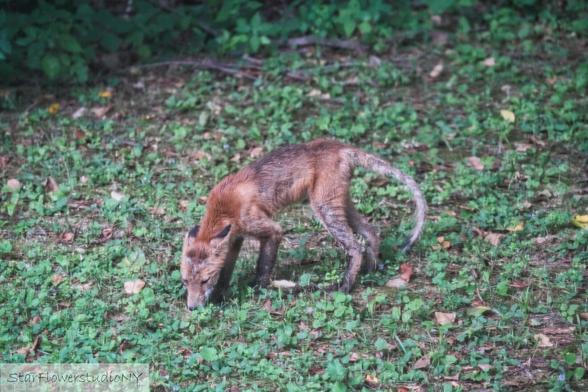
Read my piece, "Darwin’s #Fox and South America’s Unique '#Canid Evolutionary Laboratory'”
https://nkozphoto.com/index.php/2025/07/14/darwins-fox-and-south-americas-unique-canine-evolutionary-laboratory/ #foxes #canids #canid #Darwin #science #evolution #Chile #Chiloe #PuertoMontt #science
https://nkozphoto.com/index.php/2025/07/14/darwins-fox-and-south-americas-unique-canine-evolutionary-laboratory/ #foxes #canids #canid #Darwin #science #evolution #Chile #Chiloe #PuertoMontt #science

Darwin’s Fox and South America’s Unique “Canid Evolutionary Laboratory” - Nkoz Photo
Though Charles Darwin is known for his study of finches inhabiting the Galápagos Islands, a discovery which later informed his theory of evolution, the scientist failed to scrutinize the backstory of other key wildlife during his voyage aboard HMS Beagle. While traveling in Chile in 1834, the young naturalist encountered […]
 BellingenNSW
Factors contributing directly to platypus (Ornithorhynchus anatinus) mortality and implications for conserving populations in the wild
" Based on details of more than 400 platypus deaths with an identifiable cause recorded since 1989,
five main factors contributed directly to platypus mortalities:
drowning in fish nets or enclosed crustacean traps (such as opera house traps),
being killed by predators (especially canids),
becoming accidentally hooked by recreational anglers who then cut the line,
becoming entangled in discarded fishing line or other types of litter and
being hit by motor vehicles
... Additional mortality factors included drought, severe flooding, being drawn into irrigation pumps and entrapment in manmade materials or infrastructure.
Disease was implicated as being the likely causal agent in two platypus deaths, including a female that died late in lactation.
Platypus mortalities were recorded throughout the year on the southeastern Australian mainland but peaked in early autumn, when many recently weaned juveniles are likely to be present. Given the very high number of platypus mortalities attributed to the use of fish nets or enclosed crustacean traps, their use should be banned in all waters where platypus population are known to occur. "
>>
Melody Serena et al., Factors contributing directly to platypus (Ornithorhynchus anatinus) mortality and implications for conserving populations in the wild
January 2025 Australian Mammalogy 47(1)
https://doi.org/10.1071/AM24032
#platypus #rivers #monotreme #wildlife #habitat #conservation #destruction #degradation #NSW #rivers #fishing #entanglement #traps #infrastructure #canids #cars #roads #RoadTrauma #mortality #extinction makers

Factors contributing directly to platypus (Ornithorhynchus anatinus) mortality and implications for conserving populations in the wild
Based on details of more than 400 platypus deaths with an identifiable cause recorded since 1989, five main factors contributed directly to platypus mortalities: drowning in fish nets or enclosed crustacean traps (such as opera house traps), being killed by predators (especially canids), becoming accidentally hooked by recreational anglers who then cut the line, becoming entangled in discarded fishing line or other types of litter and being hit by motor vehicles (especially, though not exclusively, in Tasmania). Additional mortality factors included drought, severe flooding, being drawn into irrigation pumps and entrapment in manmade materials or infrastructure. Disease was implicated as being the likely causal agent in two platypus deaths, including a female that died late in lactation. Platypus mortalities were recorded throughout the year on the southeastern Australian mainland but peaked in early autumn, when many recently weaned juveniles are likely to be present. Given the very high number of platypus mortalities attributed to the use of fish nets or enclosed crustacean traps, their use should be banned in all waters where platypus population are known to occur.