 Colin Purrington
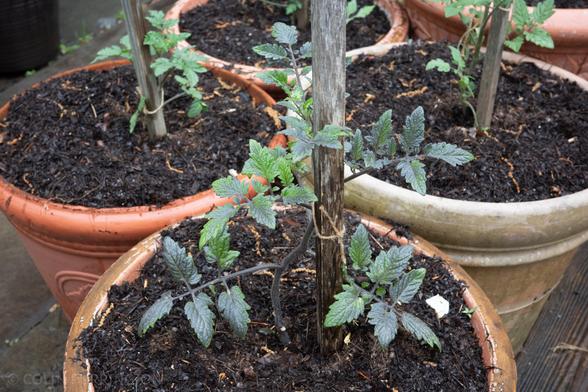
'Midnight Snack' has the darkest leaves I've ever seen in a tomato. Not the best tasting cherry variety, I've read, but will definitely add some interesting color to summer salads. #tomatoes #gardening #anthocyanin

Multi-omics analysis reveals that a 254-bp transposon induces defensive camouflage in an alpine plant and reduces herbivory by caterpillars of a specialist butterfly. Protective effects of this camouflage are reflected in the long-term dynamics of co-evolving plant and butterfly populations.

The vibrant purple color of cooked blueberries comes from anthocyanins, natural pigments that change color depending on pH.
In an acidic environment (like lemon juice in your filling), they appear redder, while in a basic environment, they lean toward blue.
#science #sciencefacts #blueberries #blueberrypie #anthocyanin #naturalpigments #acidicenvironment #basicenvironment


Daily consumption of elderberry juice for one week (12 ounces of the juice daily) significantly increases gut microbial communities associated with health benefits, according to a new randomized, placebo-controlled study.
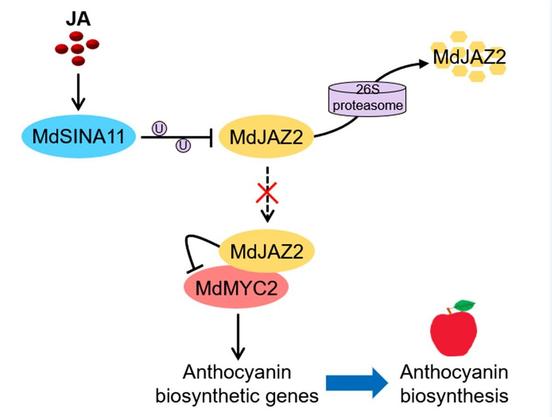
#Genetic study reveals key to #mulberry #anthocyanin richness.
https://phys.org/news/2024-07-genetic-reveals-key-mulberry-anthocyanin.html

Unlocking the genetic secrets of mulberry anthocyanin content, a study illuminates the regulatory mechanisms that dictate fruit color and nutritional quality. By assembling and analyzing the genomes of two distinct mulberry cultivars, researchers have pinpointed key genetic variations and the pivotal role of MaVHAG3 in anthocyanin accumulation, offering a biotechnological blueprint for enhancing fruit traits.
First #chromosome-level reference #genomes of the ornamental #banana and pink banana
https://phys.org/news/2024-04-chromosome-genomes-ornamental-banana-pink.html

The genus Musa, encompassing approximately 70 herbaceous species, is predominantly found in the tropical and subtropical regions of Asia and Oceania. This genus is renowned for being one of the most important food crops globally and popular ornamental plants in the markets.
#SlTHM27-#SlGAD2 model #regulates the #cold_tolerance in #tomato by regulating #GABA and #anthocyanin
https://phys.org/news/2024-04-slthm27-slgad2-cold-tolerance-tomato.html

The frequency and intensity of plant stresses have increased in recent years due to climate change. Among them, low temperature is an unavoidable environmental factor limiting agricultural productivity.
Colour Cycle of a Maple Tree - Discovering why leaves change from green in late summer to deep red in autumn. #chlorophyll #anthocyanin #monochromator #mapletree
http://www.i4cy.com/maple/default.aspx
[23/11/2019]
 Amelia Cervera 🧬
 JIPB
JIPB ScienceActually
 wicket wolf
 CellBioNews
 i4cy 📌