DoomsdaysCW
How Do You Design A #WildlifeCorridor For #Maine Garden Design?
Excerpt:
"Plant Palette: #NativeSpecies and Layering for Maine
Choose plants that are native to your Maine ecoregion and that provide multiple functions: forage, cover, nesting structure, and seasonal continuity.
- Canopy and large trees (plant for future shade and mast): white pine (Pinus strobus), red #maple (Acer rubrum), sugar maple (Acer saccharum), paper birch (Betula papyrifera), red oak (Quercus rubra), balsam fir.
- Small trees and large shrubs (structure and fruit): serviceberry (Amelanchier spp.), crabapple (Malus spp. native selections), chokecherry (Prunus virginiana), witch hazel (Hamamelis virginiana).
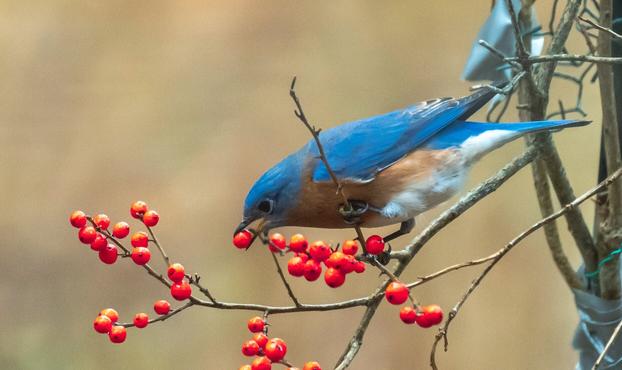
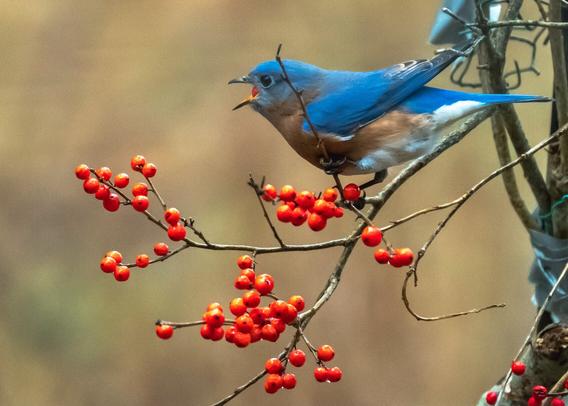
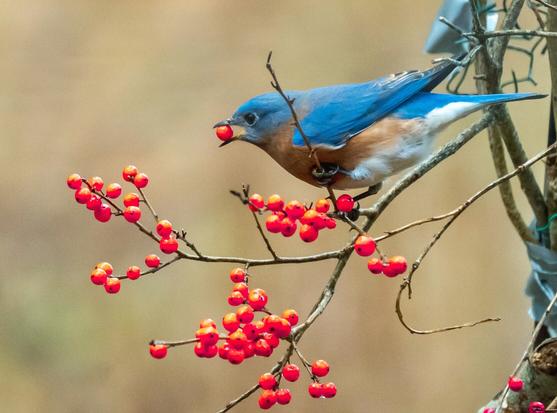
- Shrubs for berries and cover: highbush #blueberry (Vaccinium corymbosum), #winterberry holly (Ilex verticillata), highbush #cranberry (Viburnum trilobum), black #chokeberry (Aronia melanocarpa), #elderberry (Sambucus canadensis), #bayberry (Morella pensylvanica).
- Herbaceous layer and pollinator plants: common #milkweed (Asclepias syriaca), joe-pye weed (Eutrochium spp.), #asters (Symphyotrichum spp.), #goldenrod (Solidago spp.), mountain mint (Pycnanthemum spp.), columbine (Aquilegia canadensis).
- Groundcover and forest floor: bunchberry (Cornus canadensis), wild ginger (Asarum canadense), sedges (Carex spp.), native ferns where appropriate.
- Wetland edge species for riparian corridors: blueflag iris (Iris versicolor), buttonbush (Cephalanthus occidentalis), #sedges, and #NativeRushes.
Plant choice should reflect site moisture, sunlight, and soil pH. Avoid ornamental cultivars with little #wildlife value and never plant species known to be invasive in Maine such as Japanese #barberry or #bittersweet."
Learn more:
https://cultivatingflora.com/how-do-you-design-a-wildlife-corridor-for-maine-garden-design/
#SolarPunkSunday #WildlifeCorridor #NativeSpecies #GardeningForPolinators #Rewilding
 StarFlowerStudioNY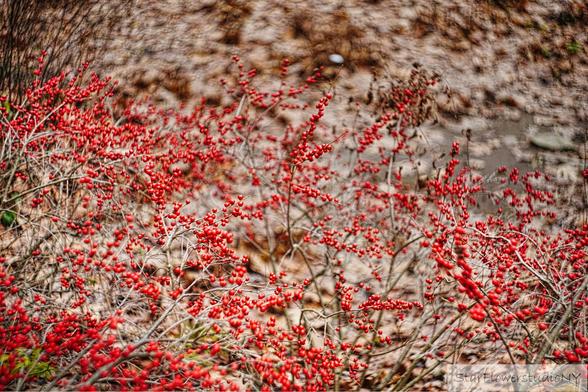
 Basha
Basha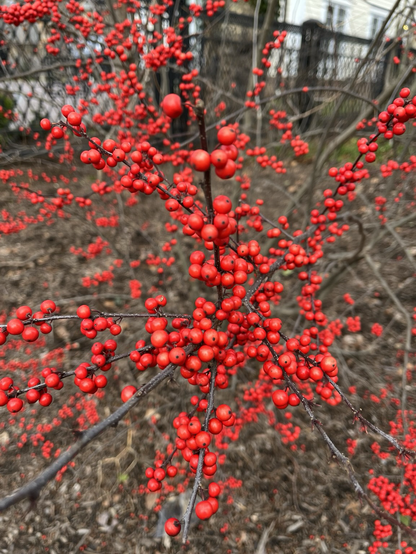
 Julie Hughes
 Durrn Thunderwing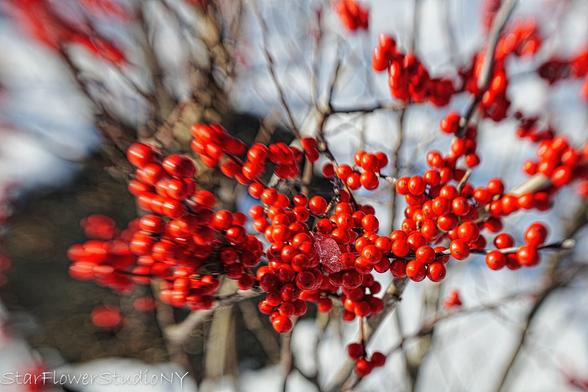
 Fairhaven Person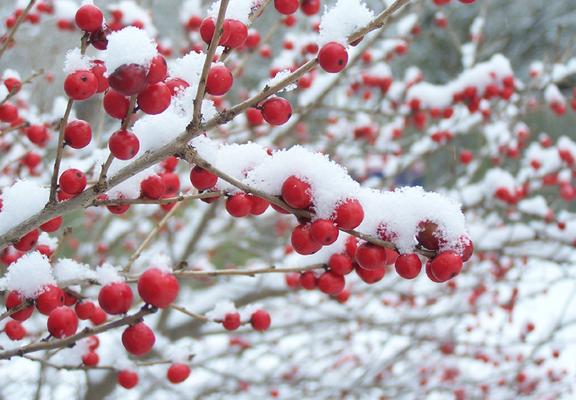
 Brian
Brian
 Cambirdsong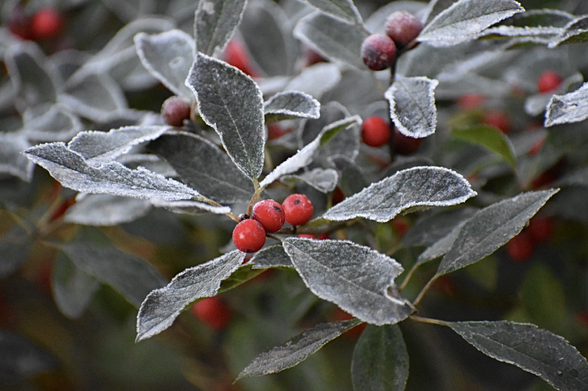
 Anne Fausto Sterling