#AbolishThePolice #ACAB
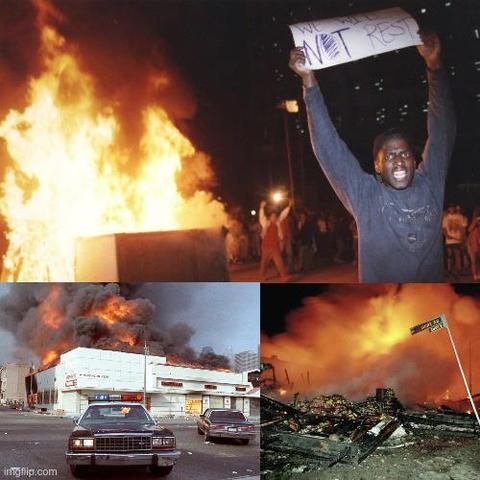
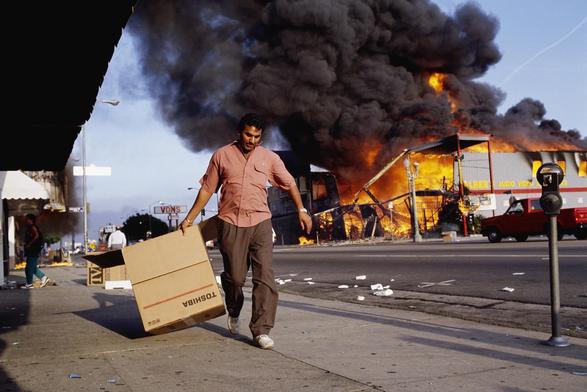
Today in Labor History April 29, 1992: People rioted in Los Angeles and protested in other major cities in response to the Rodney King verdict. Despite video footage of police brutally beating a defenseless King, the jury acquitted all the police officers involved. Over the next three days 64 people died and hundreds of buildings were destroyed. However, the LA riots in also included an anti-Asian pogrom. 2,300 Korean businesses were looted or burned and hundreds of Koreans suffered from PTSD. Those who died included 2 Asians, 28 African Americans, 19 Latinos and 15 whites. In San Francisco, African American youth chased cops down the street with bats. And protesters shattered the façade of Bank of America with a concrete bus bench. I also remember having to duck behind a car to avoid being shot by a scared shop owner near Chinatown, as young men ran out of his store with 12-packs of beer. The violent police assault on King was one of the first to go viral in the digital age. It inspired hundreds of protests and ushered in a new era of citizen journalists documenting police brutality that contributed to the growth of the Black Lives Matter movement.
#workingclass #LaborHistory #policebrutality #police #RodneyKing #lapd #blm #blacklivesmatter #Riot #racism #antiAsianHate #BlackMastodon
Today in Labor History March 3, 1991: An amateur video caught LAPD beating Rodney King. Four officers were tried for excessive force. Despite the video footage of police brutally beating a defenseless King, the jury acquitted all the cops involved. Within hours of the acquittals, riots erupted in cities across the U.S. The biggest was the Los Angeles riots, which lasted six days and killed 64 people (including 2 Asians, 28 African Americans, 19 Latinos and 15 whites), and injured 2,383. The National Guard, Army and Marines came in and ultimately quashed the riots. The riots in L.A. also included an anti-Asian pogrom. 2,300 Korean businesses were looted or burned and hundreds of Koreans suffered from PTSD. 64 people died in the riots,
In San Francisco, African American youth chased cops down the street with bats. And protesters shattered the facade of Bank of America with a concrete bus bench. I also remember having to duck behind a car to avoid being shot by a shop owner who was chasing out looters. The violent police assault on King was one of the first to go viral in the digital age. It ushered in a new era of citizens documenting police brutality.
#workingclass #LaborHistory #policebrutality #rodneyking #riots #lapd #acab #police #losangeles #racism
Tal día como Hoy “:En Los Ángeles, la policía propina una brutal paliza a Rodney King, evento que fue grabado y desató graves disturbios sociales.”
El racismo en EEUU es algo que siempre ha estado muy presente en los EEUU, no es cosa de ahora del gobierno de Donald Trump, las tensiones raciales han estado siempre, uno de tantos episodios terribles ocurrió tal día como hoy en 1991, cuando un taxista afroaméricano Rodney King, fue asesinado a golpes por la policía de Los Angeles por no detenerse tras una infracción de tráfico.
El ataque: Tras ser interceptado, cuatro agentes del Departamento de Policía de Los Ángeles (LAPD) —Stacey Koon, Laurence Powell, Timothy Wind y Theodore Briseño— le propinaron una paliza que incluyó más de 50 golpes con porras, patadas y el uso de pistolas táser.
El Veredicto y los Disturbios (abril de 1992)
A pesar de la evidencia clara visual de estos terribles sucesos, un jurado en los juzgados de Simi Valley (California) absolvieron a cuatro policías de casi todo los cargos de uso excesiva de la fuerza.
Tras está injusticia, se produjeron violentos disturbios en la ciudad de Los Angeles, durante seis días de caos, la ciudad sufrió saqueos, incendios provocados y enfrentamientos violentos que resultaron en:
Consecuencias Posteriores
https://www.youtube.com/watch?v=osah4cCfU1o
#BlackLivesMatter #dailyprompt #DisturbiosDeLosAngeles #LosAngeles #racismo #RodneyKing #talDíaComoHoyindivisible—not individual or invisible
What I Might Sing
Donika Kelly
#Poetry #DonikaKelly #WhatIMightSing #WhitneyHouston #America #ElementarySchool #PledgeOfAllegiance #TheStarSpangledBanner #Indivisible #LAPD #RodneyKing #Arkansas #Highway79 #Methodist #JimCrow #Voting #Elections #JohnFKennedy #MarvinGaye #Music #Singing
https://www.newyorker.com/magazine/2025/09/29/what-i-might-sing-donika-kelly-poem
Okay youngsters, grandpa’s telling a story…
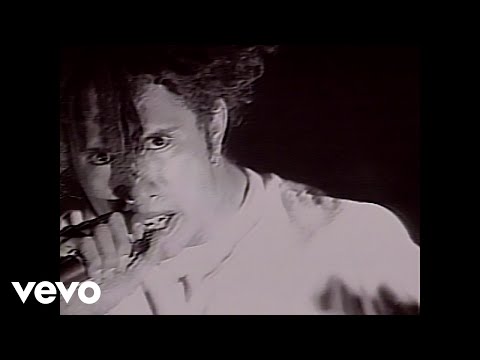
If you’re standing in a bar and suddenly the 40–60 year old somethings jump off their barstools like creaky wild animals, shouting along in rough unison to something that’s easy to sing and loose your self, then you’re most likely dealing with “Killing in the Name” by Rage Against the Machine…
ℹ️ Just let them go for a bit. It has everything to do with the here and now…

Enjoy the videos and music you love, upload original content, and share it all with friends, family, and the world on YouTube.
More #White Folks Who Seemingly Got Away With Doing Terrible Things to #Black Folks
From #KyleRittenhouse to the case #RodneyKing, these often #fatal exchanges between white and #Blackpeople are bound to shock your spirit
https://www.theroot.com/more-white-folks-who-seemingly-got-away-with-doing-terr-2000056403
In a letter obtained by The San Fancisco Chronicle, Kristi Noem appears inclined to skirt federal restrictions on military involvement with domestic law enforcement. By Julia Conley Common Dreams U.S. Homeland Security Secretary Kristi Noem appeared to take a step toward circumventing fe
#protests #LA #history #RodneyKing
"Unlike the 1992 riots, protests have mainly been peaceful and been confined to a roughly five-block stretch of downtown LA, a tiny patch in the sprawling city of nearly 4 million people. No one has died. There’s been vandalism and some cars set on fire but no homes or buildings have burned.
More than 100 people have been arrested over the past several days of protests. The vast majority of arrests were for failing to disperse, while a few others were for assault with a deadly weapon, looting, vandalism and attempted murder for tossing a Molotov cocktail.
(. . .)
Outrage over the verdicts on April 29, 1992 led to nearly a week of widespread violence that was one of the deadliest riots in American history. Hundreds of businesses were looted. Entire blocks of homes and stores were torched. More than 60 people died in shootings and other violence, mostly in South Los Angeles, an area with a heavily Black population at the time.
The 1992 uprising took many by surprise, including the Los Angeles Police Department, but the King verdict was a catalyst for racial tensions that had been building in the city for years.
In addition to frustration with their treatment by police, some directed their anger at Korean merchants who owned many of the local stores. Black residents felt the owners treated them more like shoplifters than shoppers. As looting and fires spread toward Koreatown, some merchants protected their stores with shotguns and rifles."
The current unrest in Los Angeles is a lot different from the last time a U.S. president called out the National Guard to respond to violence on the streets. While protesters have set cars ablaze, tossed rocks at police and officers have fired nonlethal rounds and tear gas, the 1992 riots that followed the acquittal of white police officers who were videotaped beating Black motorist Rodney King was one of the deadliest riots in American history. Outrage over the April 29, 1992 verdicts led to looting, arson and the deaths of more than 60 people, mostly in South Los Angeles.