 gerg
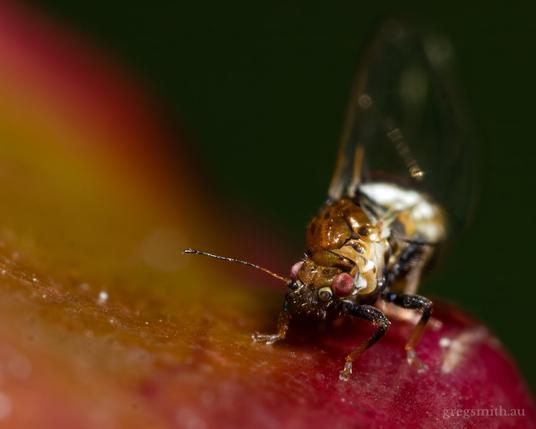
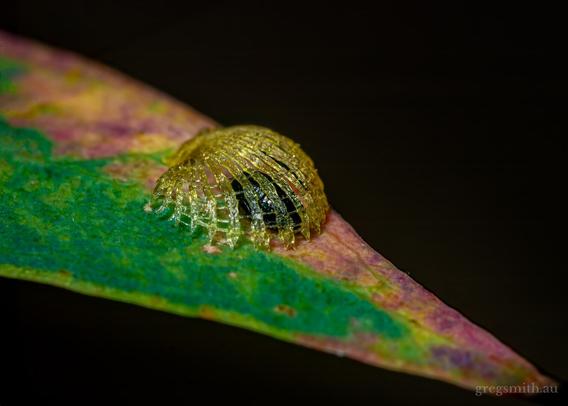
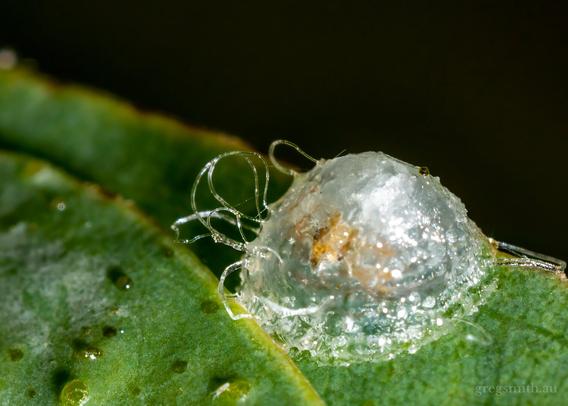
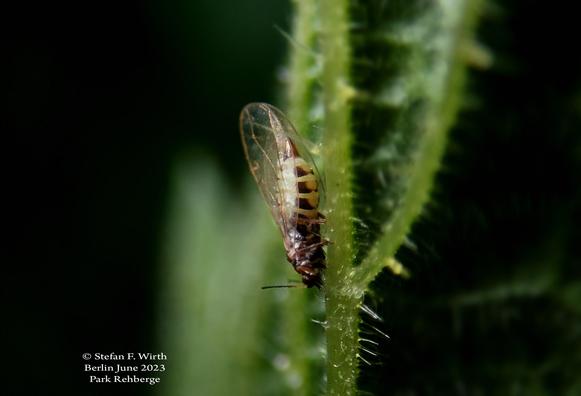
gergSyzygium leaf psyllid, Trioza adventicia.
#macro #nature #insect #psyllid #leafpsyllid #syzygiumleafpsyllid #insectsofthefediverse
#macro #nature #insect #psyllid #leafpsyllid #syzygiumleafpsyllid #insectsofthefediverse
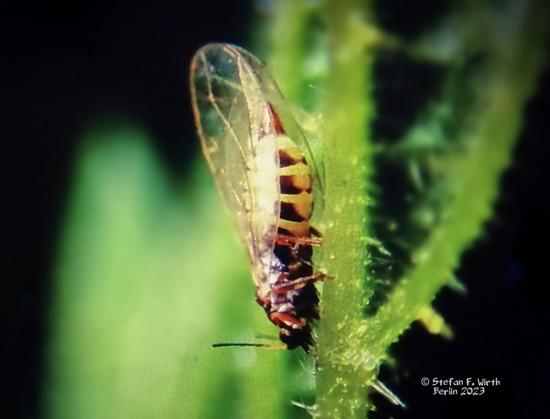
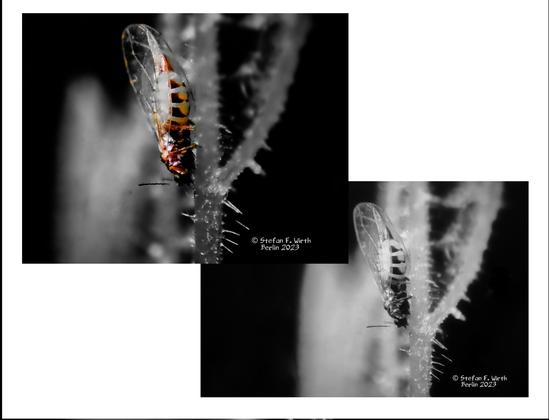
#Trioza #urticae is tied to stinging nettles as specific #hosts. They are perceived by other insects modtly in shades of gray and can harbor pathogenic bacteria.
#Psyllid #species spread the #bacterium Candidatus Liberibacter solanacearum, a plant pathogen native to North America infecting apiaceous and solanaceous crops. Sjölund et al (2018) provided a first evidence for #CLso in Trioza urticae in Germany.
© #StefanFWirth Berlin
Sources
M.J. Sjölund et al. (2018):
http://dx.doi.org/10.1007/s41348-018-0187-z
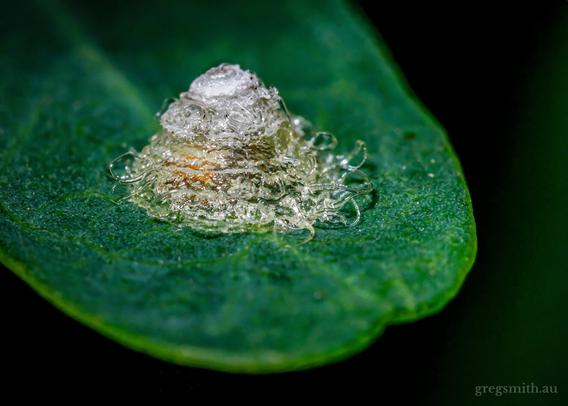
Here's something to look out for in NZ. Today Mike Bowie uploaded photos of a colony of red gum lerp psyllids that he found feeding on a eucalyptus tree in North Canterbury. It's the first time Mike had seen this species.
It's an Australian species that was first seen in New Zealand in 2017 and this is the first NZ observation on #iNaturalist.
The white circular juvenile "lerps" are distinctive.
 Stefan F. Wirth
 Jon Sullivan