 Stefan F. Wirth
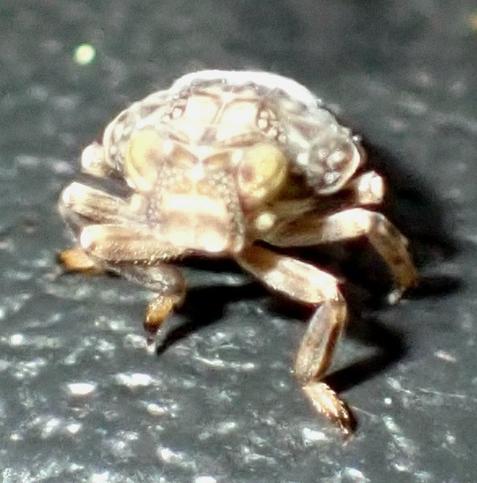
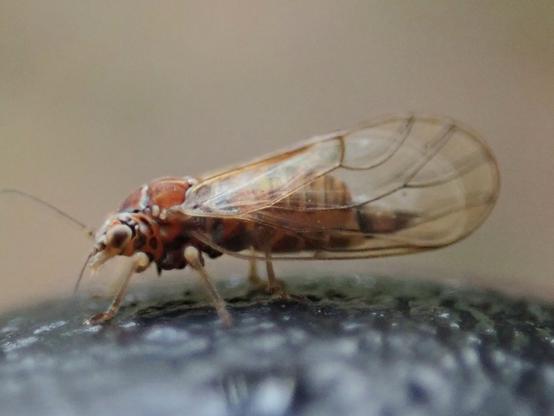
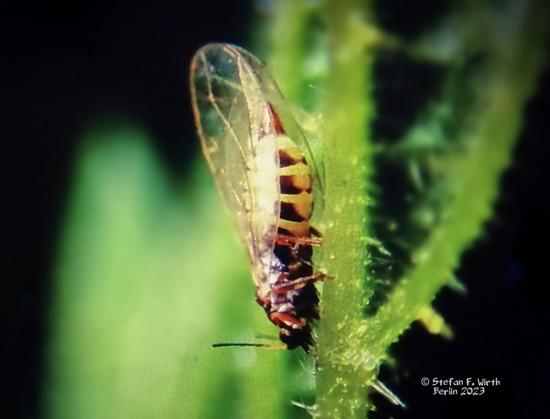
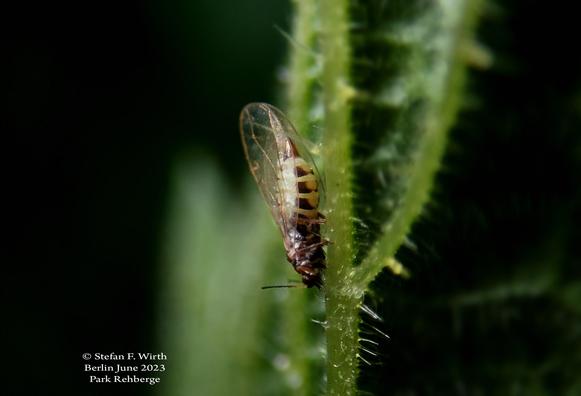
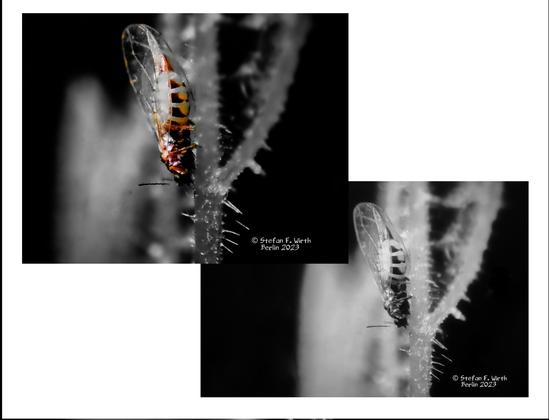
#Trioza #urticae is tied to stinging nettles as specific #hosts. They are perceived by other insects modtly in shades of gray and can harbor pathogenic bacteria.
#Psyllid #species spread the #bacterium Candidatus Liberibacter solanacearum, a plant pathogen native to North America infecting apiaceous and solanaceous crops. Sjölund et al (2018) provided a first evidence for #CLso in Trioza urticae in Germany.
© #StefanFWirth Berlin
Sources
M.J. Sjölund et al. (2018):
http://dx.doi.org/10.1007/s41348-018-0187-z
 SK53
SK53