Il Fatto Quotidiano: Cosa mangiamo davvero? L’indagine di Crude Verità su cibo, marketing e salute

“Quando facciamo la spesa pensiamo di scegliere il cibo migliore per la nostra salute. Ma siamo davvero sicuri di sapere cosa stiamo mangiando? Il giornalista americano Michael Pollan sostiene che per mangiare sano dovremmo comprare solo prodotti con al massimo cinque ingredienti. Abbiamo provato a verificarlo. Il risultato? Quasi nessun prodotto del supermercato supera il test. Quindi, se Pollan avesse ragione… saremmo tutti spacciati?”
Da questa domanda nasce “Crude Verità“, la nuova serie di TvLoft con il medico epidemiologo Franco Berrino e il giornalista scientifico Ennio Battista. Come in una vera indagine poliziesca, i due si muovono tra scaffali di supermercati, etichette nutrizionali, slogan pubblicitari e miti alimentari per capire chi ha trasformato il nostro cibo in un problema di salute pubblica.
Nelle dieci puntate della serie, Berrino e Battista smontano uno dopo l’altro i grandi pilastri dell’alimentazione industriale: colazioni piene di zuccheri nascosti, barrette vendute come salutari, prodotti “ricchi di proteine”, grassi demonizzati o rivalutati e molte altre promesse nutrizionali che hanno più a che fare con il marketing che con la scienza. L’indagine rivela una realtà scomoda: mangiamo guidati più dalla pubblicità che dalle evidenze scientifiche. E quello che chiamiamo cibo è spesso un prodotto industriale sempre più lontano dalla natura, nato da compromessi tra chimica, agricoltura intensiva e logiche di mercato. Berrino però non ci lascia senza alternative: un’altra via per mangiare sano e bene esiste.
Ma come in ogni giallo che si rispetti, non manca il colpo di scena. Nel finale di Crude Verità Battista mostra che l’arma del delitto – quella che ogni giorno mette a rischio la nostra salute – è nelle mani di tutti noi. Ed è pronta a sparare.
I primi cinque episodi della serie sono disponibili a partire da oggi, martedì 24 marzo, su TvLoft (www.tvloft.it) e i prossimi cinque a partire dal 7 aprile 2026.

L'articolo Cosa mangiamo davvero? L’indagine di Crude Verità su cibo, marketing e salute proviene da Il Fatto Quotidiano.

What do we really eat? Crude Verità’s investigation into food, marketing, and health.

When we do the grocery shopping, we think we’re choosing the best food for our health. But are we really sure we know what we’re eating? American journalist Michael Pollan argues that to eat healthily, we should buy products with a maximum of five ingredients. We tried to verify this. The result? Almost no supermarket product passes the test. So, if Pollan is right… would we all be fooled?

This question gives rise to “Crude Verities,” the new TvLoft series with epidemiologist-doctor Franco Berrino and scientific journalist Ennio Battista. Like a real police investigation, the two move between supermarket shelves, nutritional labels, advertising slogans, and food myths to understand who has turned our food into a public health problem.

In the ten episodes of the series, Berrino and Battista dismantle one by one the great pillars of industrial nutrition: breakfasts full of hidden sugars, bars sold as healthy, products “rich in protein,” fats demonized or reevaluated, and many other nutritional promises that have more to do with marketing than science. The investigation reveals an uncomfortable reality: we eat more guided by advertising than by scientific evidence. And what we call food is often an industrial product increasingly distant from nature, born from compromises between chemistry, intensive agriculture, and market logic. However, Berrino doesn’t leave us without alternatives: another way to eat healthy and well exists.

But like any good mystery, there’s a twist in the ending. In the finale of Crude Verities, Battista shows that the weapon of the crime – the one that every day puts our health at risk – is in our hands, and it’s ready to fire.

The first five episodes of the series are available from today, Tuesday, March 24th, on TvLoft (www.tvloft.it) and the next five from April 7th, 2026.

The article What Do We Really Eat? The Investigation of Crude Verities on Food, Marketing, and Health comes from Il Fatto Quotidiano.

#CrudeVerità’s #American #MichaelPollan #Pollan #CrudeVerities #TvLoft #FrancoBerrino #EnnioBattista #Berrino #Battista #first #IlFattoQuotidiano
https://www.ilfattoquotidiano.it/2026/03/25/cosa-mangiamo-davvero-lindagine-di-crude-verita-su-cibo-marketing-e-salute/8334708/

Cosa mangiamo davvero? L’indagine di Crude Verità su cibo, marketing e salute

Berrino e Battista svelano come l’industria alimentare trasforma il cibo in rischio per la salute e mostrano che la scelta giusta è nelle nostre mani.

Il Fatto Quotidiano
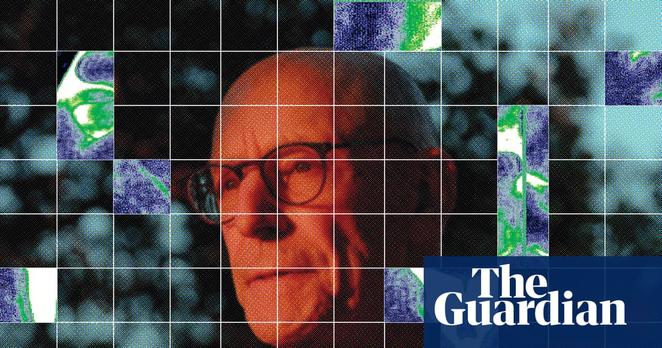
‘Our consciousness is under siege’: Michael Pollan on chatbots, social media and mental freedom

In his new book, the celebrated author explains why we need ‘consciousness hygiene’ to defend ourselves from AI and dopamine-driven algorithms

The Guardian

"One of the things Trump has done is occupy a significant chunk of our attention every single day. Our consciousness is being polluted, and protecting ourselves against that at the same time we preserve the ability to act politically is a difficult balancing act. Consciousness is a very precious realm." --- Michael Pollan, being interviewed in the NY Times by David Marchese, 2026-02-07

#consiousness #uspol #Pollan

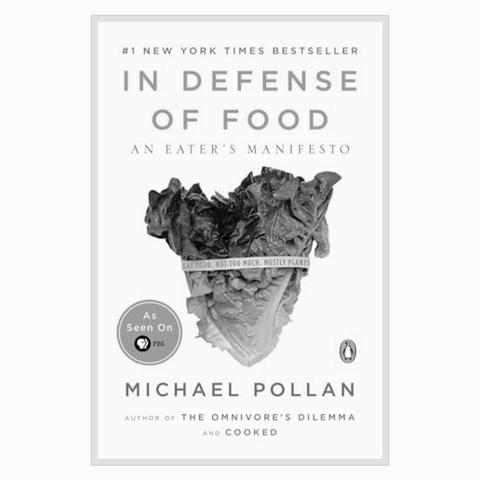
Random book from our personal library:

📖 In Defense of Food: An Eater's Manifesto by Michael Pollan

#bookstodon #food #pollan

🍔🥦 Oh, the suspense! A thousand words just to say: "Eat #food, not too much, mostly plants." Bravo, #Pollan, for turning Grandma's advice into a Nobel-worthy revelation. 📜✨ If only solving #world #hunger were as easy as solving writer's block with this groundbreaking verbosity. 🙄
https://michaelpollan.com/articles-archive/unhappy-meals/ #sustainability #nutrition #writing #tips #HackerNews #ngated
Unhappy Meals - Michael Pollan

Eat food. Not too much. Mostly plants.

Michael Pollan
How to Change Your Mind: The New Science of Psychedelic…

Could psychedelic drugs change our worldview? One of Am…

Goodreads
Opinion | Sorry, but This Is the Future of Food

Every farm, even the scenic ones with red barns and rolling hills, is a kind of environmental crime scene, an echo of whatever wilderness it once replaced.

The New York Times

🔥The US government-funded a ‘private social network’ which posts personal attacks on pesticide critics 🔥

In 2017, two United Nations experts called for a treaty to strictly #regulate #dangerous #pesticides, which they said were a “global human rights concern”, citing scientific research showing pesticides can cause cancers, Parkinson’s disease, Alzheimer’s and other health problems.

Publicly, the pesticide industry’s lead trade association dubbed the recommendations “unfounded and sensational assertions”.
👉 In private, industry advocates have gone further.👈

⚠️Derogatory profiles of the two UN experts, Hilal Elver and Baskut Tuncak, are hosted on an online private portal for pesticide company employees and a range of influential allies.

Members can access a wide range of #personal #information about hundreds of individuals from around the world deemed a threat to industry interests,
including the US food writers Michael #Pollan and Mark #Bittman, the Indian environmentalist Vandana #Shiva and the Nigerian activist Nnimmo #Bassey.

🆘 Many profiles include #personal #details such as the names of family members, phone numbers, home addresses and even house values.

The profiling is part of an effort – that was
💥financed, in part, by #US #taxpayer #dollars
– to #downplay pesticide dangers, #discredit opponents and #undermine international policymaking, according to court records, emails and other documents obtained by the non-profit newsroom Lighthouse Reports
https://www.theguardian.com/us-news/2024/sep/26/government-funded-social-network-attacking-pesticide-critics?CMP=Share_iOSApp_Other

Revealed: the US government-funded ‘private social network’ attacking pesticide critics

Network includes derogatory profiles of figures such as UN experts and food writer Michael Pollan, and is part of an effort to downplay pesticide dangers, records suggest

The Guardian
@hyperlight #Pollan got sucked by his own popularity on the issue. Maybe he was not prepared to be the main voice backing the #psychedelic renaissance.

An anthropologist, a lawyer, and a neuroscientist’s response to Michael #Pollan:

"While Pollan’s points about ensuring safe use are important #harmreduction concepts, and it is true that people #selfmedicating without guidance or using #psilocybin #recreationally can be disorienting, it ignores the fact that, in the United States there is already a widespread culture of #psychedelic drug use that, for the most part, follows #reasonable guidelines already."

@labatebia

https://chacruna.net/its-time-to-enthusiastically-celebrate-denvers-historic-victory-to-decriminalize-psilocybin-mushrooms/

It’s Time to Enthusiastically Celebrate Denver’s Historic Victory to Decriminalize Psilocybin Mushrooms

An anthropologist, a lawyer, and a neuroscientist’s response to Michael Pollan In an opinion piece to the New York Times commenting on Denver’s recent historic vote to decriminalize psilocybin, Michael Pollan claimed that “Debate is always a good thing, but I worry that we’re not quite ready for this one,” referring to the decriminalization of psilocybin. It’s disappointing to read such a conservative piece from somebody who has so powerfully advocated for the value of psychedelics in his influential book, “How to Change Your Mind: What the New Science of Psychedelics Teaches Us About Consciousness, Dying, Addiction, Depression, and Transcendence (Penguin Random House, 2018). In