 Maikel de Bakker
It’s been a while since I shared something new. Not because I haven’t wanted to go out… but because the world outside feels unfamiliar lately. December in the Netherlands, normally a time of frost, quiet forests, and the promise of winter, has instead been hovering around 13°C — for weeks. No snow. No frozen ponds. Just rain and warm winds.
And it shows. Trees dropping their leaves later every year. Flowers blooming earlier. Birds already practicing mating calls they shouldn’t be singing in mid-winter. This isn’t “just the weather.” This is a system signalling distress. And after 35 years of fighting climate change — 25 of them actively through Greenpeace, Fossil Free NL, and the Partij voor de Dieren — it weighs on me. I’m angry. I’m tired. And yes, I’m in a depressive episode.
But even in that darkness, light sometimes breaks through.
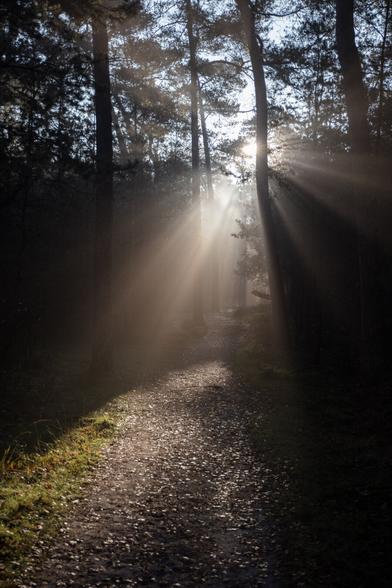
About two weeks ago in the Kampina, the sun managed to pierce through the dense trees for a brief moment, sending pale golden rays across the forest path. A rare, fragile moment of beauty in a warming world. I captured it handheld with my Canon 5DsR and the Sigma Art set at 44 mm — f/2.8, 1/500s — in the soft, misty morning light around 09:00.
#wonderinglens #ByMaikeldeBakker #MaikeldeBakkerPhotography #NaturePhotography #ClimateGrief #ClimateChangeIsReal #WarmWinters #ForestLight #Kampina #MorningMist #Canon5DsR #SigmaArt2470 #PhotographyAsObservation #DocumentingChange #ScientificStorytelling #NatureLovers #DutchNature #GlobalWarming #WalkingForClarity #MistyForest #SunRays #LightAndShadow #EarlyMorningLight #HandheldPhotography #ForestsOfTheNetherlands #NatureWalks #EnvironmentalAwareness #ClimateReality #LandscapePhotography #EcoAnxiety #NatureInDecember #UnexpectedWarmth #PhotographyAndScience #ArtAndObservation #ChangingSeasons #ProtectNature #ConservationMatters #ForestPath #EmotionalHonesty #StoryOfTheEarth
And it shows. Trees dropping their leaves later every year. Flowers blooming earlier. Birds already practicing mating calls they shouldn’t be singing in mid-winter. This isn’t “just the weather.” This is a system signalling distress. And after 35 years of fighting climate change — 25 of them actively through Greenpeace, Fossil Free NL, and the Partij voor de Dieren — it weighs on me. I’m angry. I’m tired. And yes, I’m in a depressive episode.
But even in that darkness, light sometimes breaks through.
About two weeks ago in the Kampina, the sun managed to pierce through the dense trees for a brief moment, sending pale golden rays across the forest path. A rare, fragile moment of beauty in a warming world. I captured it handheld with my Canon 5DsR and the Sigma Art set at 44 mm — f/2.8, 1/500s — in the soft, misty morning light around 09:00.
#wonderinglens #ByMaikeldeBakker #MaikeldeBakkerPhotography #NaturePhotography #ClimateGrief #ClimateChangeIsReal #WarmWinters #ForestLight #Kampina #MorningMist #Canon5DsR #SigmaArt2470 #PhotographyAsObservation #DocumentingChange #ScientificStorytelling #NatureLovers #DutchNature #GlobalWarming #WalkingForClarity #MistyForest #SunRays #LightAndShadow #EarlyMorningLight #HandheldPhotography #ForestsOfTheNetherlands #NatureWalks #EnvironmentalAwareness #ClimateReality #LandscapePhotography #EcoAnxiety #NatureInDecember #UnexpectedWarmth #PhotographyAndScience #ArtAndObservation #ChangingSeasons #ProtectNature #ConservationMatters #ForestPath #EmotionalHonesty #StoryOfTheEarth