Spent the night at Insomni'hack and had a blast — huge thanks to the organisers for putting together such a great event. Awesome challs and a seriously solid setup. @1ns0mn1h4ck
#insomnihack #insomnihack2026 #CTF #OCD #OrangeCyberDefense #CTFTime
Spent the night at Insomni'hack and had a blast — huge thanks to the organisers for putting together such a great event. Awesome challs and a seriously solid setup. @1ns0mn1h4ck
#insomnihack #insomnihack2026 #CTF #OCD #OrangeCyberDefense #CTFTime
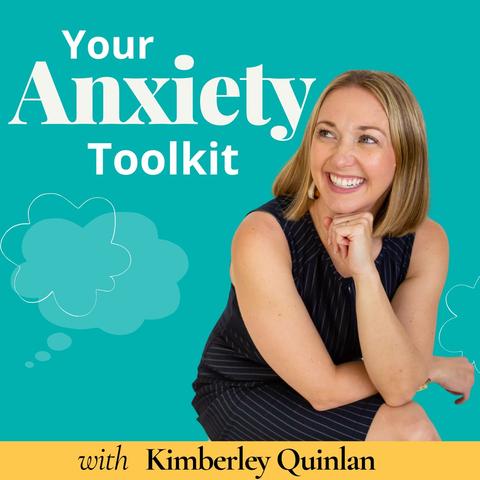
Listening to Kimberley talk about how OCD can change and trick your brain over time on a new episode of Your Anxiety Toolkit #anxiety #mentalHealth #ocd #podcast
https://podcasts.apple.com/us/podcast/your-anxiety-toolkit/id1098792502?i=1000755946765
I just updated the introduction of the Open Contributions Descriptor (OCD):
https://ossbase.org/initiatives/open-contributions-descriptor/
OCD is an open, machine-readable JSON format that lets organizations publish a single, structured description of how they contribute to the open ecosystem.
Leonardo DiCaprio's hidden health battle and how it impacted his acting career
That music can serve more than purely aesthetic or entertainment purposes is no longer a surprising idea. Across many cultures and historical periods, music has functioned as a means of regulating mood, attention, and bodily states. Over the past decades, clinical research has begun to examine these effects with greater methodological care. Within psychiatry and psychology, music-based interventions now appear in studies addressing anxiety disorders, obsessive-compulsive disorder (OCD), and related conditions.
Structured musical interventions - such as guided listening, improvisation-based music therapy, or therapist-led sessions - can reduce obsessive symptoms, lower anxiety, and ease depressive comorbidity when used alongside established forms of treatment. Controlled studies report measurable improvements in anxiety and obsessive symptoms when music therapy accompanies standard care. At the same time, sample sizes remain limited, and further research is required.
Music also relates to cognitive and emotional mechanisms that are relevant to OCD. Studies indicate that individuals with obsessive-compulsive personality traits often show heightened sensitivity to musical tension and a strong preference for harmonic resolution. These observations suggest links between musical structure, predictive processing in the brain, and the regulation of intrusive thoughts.
The intersection of neuroscience, psychology, and musical practice therefore forms a productive field of investigation. Musical processes operate simultaneously on several levels: rhythm can synchronize breathing and autonomic activity, tonal expectation structures attention, and deep musical immersion alters the subjective experience of time as well as aspects of cognitive control. These characteristics make music a complex medium within therapeutic contexts.
I examined these questions in greater detail last year, focusing on anxiety disorders and obsessive-compulsive conditions, the current evidence base, and practical forms of music-based interventions in clinical settings.
Read the full essay:
https://tomkolbe.com/2025/08/25/music-based-interventions-for-anxiety-obsessive-compulsive-and-related-disorders-effects-applications-and-evidence/
#MusicTherapy #MusicAndMentalHealth #Neuroscience #Psychology #OCD #AnxietyResearch #MusicAndTheBrain #MusicResearch #MusicAndHealth

Music is more than entertainment. In clinical and non-clinical work with anxiety, obsessive-compulsive, trauma- and stressor-related, and somatic symptom disord
How genetics, environment and access to food shape eating disorders
How genetics, environment and access to food shape eating disorders Researchers say genetics, environment and access to foo…
#dining #cooking #diet #food #Food #anorexia #ARFID #BostonUniversity #BroadInstitute #eatingdisorders #foodinsecurity #geneticsresearch #Mentalhealth #nutrition #ocd #recovery #TropicalFoodsBoston
https://www.diningandcooking.com/2552393/how-genetics-environment-and-access-to-food-shape-eating-disorders/