Andrew M. Lewis, Jr & Gladys S. Lewis on #PLOSONE December 7, 2023
GLI1+ perivascular, renal, progenitor cells: The likely source of spontaneous #neoplasia that created the AGMK1-9T7 cell line
https://dx.plos.org/10.1371/journal.pone.0293406
#GLI1 #progenitorcells #biomarker #oncology #tumorigenicity #cancercells

GLI1+ perivascular, renal, progenitor cells: The likely source of spontaneous neoplasia that created the AGMK1-9T7 cell line
The AGMK1-9T7 cell line has been used to study neoplasia in tissue culture. By passage in cell culture, these cells evolved to become tumorigenic and metastatic in immunodeficient mice at passage 40. Of the 20 x 106 kidney cells originally plated, less than 2% formed the colonies that evolved to create this cell line. These cells could be the progeny of some type of kidney progenitor cells. To characterize these cells, we documented their renal lineage by their expression of PAX-2 and MIOX, detected by indirect immunofluorescence. These cells assessed by flow-cytometry expressed high levels of CD44, CD73, CD105, Sca-1, and GLI1 across all passages tested; these markers have been reported to be expressed by renal progenitor cells. The expression of GLI1 was confirmed by immunofluorescence and western blot analysis. Cells from passages 13 to 23 possessed the ability to differentiate into adipocytes, osteoblasts, and chondrocytes; after passage 23, their ability to form these cell types was lost. These data indicate that the cells that formed the AGMK1-9T7 cell line were GLI1+ perivascular, kidney, progenitor cells.
Andrew M. Lewis, Jr & Gladys S. Lewis on #PLOSONE October 24, 2022
The AGMK1-9T7 cell model of #neoplasia: Evolution of #DNA copy-number aberrations and #miRNA expression during transition from normal to #metastatic #cancer cells
https://dx.plos.org/10.1371/journal.pone.0275394
#biomarker #oncology #tumorigenicity #cancercells

The AGMK1-9T7 cell model of neoplasia: Evolution of DNA copy-number aberrations and miRNA expression during transition from normal to metastatic cancer cells
To study neoplasia in tissue culture, cell lines representing the evolution of normal cells to tumor cells are needed. To produce such cells, we developed the AGMK1-9T7 cell line, established cell banks at 10-passage intervals, and characterized their biological properties. Here we examine the evolution of chromosomal DNA copy-number aberrations and miRNA expression in this cell line from passage 1 to the acquisition of a tumorigenic phenotype at passage 40. We demonstrated the use of a human microarray platform for DNA copy-number profiling of AGMK1-9T7 cells using knowledge of synteny to ‘recode’ data from human chromosome coordinates to those of the African green monkey. This approach revealed the accumulation of DNA copy-number gains and losses in AGMK1-9T7 cells from passage 3 to passage 40, which spans the period in which neoplastic transformation occurred. These alterations occurred in the sequences of genes regulating DNA copy-number imbalance of several genes that regulate endothelial cell angiogenesis, survival, migration, and proliferation. Regarding miRNA expression, 195 miRNAs were up- or down-regulated at passage 1 at levels that appear to be biologically relevant (i.e., log2 fold change >2.0 (q<0.05)). At passage 10, the number of up/down-regulated miRNAs fell to 63; this number increased to 93 at passage 40. Principal-component analysis grouped these miRNAs into 3 clusters; miRNAs in sub-clusters of these groups could be correlated with initiation, promotion, and progression, stages that have been described for neoplastic development. Thirty-four of the AGMK1-9T7 miRNAs have been associated with these stages in human cancer. Based on these data, we propose that the evolution of AGMK1-9T7 cells represents a detailed model of neoplasia in vitro.
Andrew M. Lewis, Jr & Gladys S. Lewis on #PLOSONE 7 December 2023
GLI1+ perivascular, renal, progenitor cells: The likely source of spontaneous #neoplasia that created the AGMK1-9T7 cell line
https://dx.plos.org/10.1371/journal.pone.0293406
#GLI1 #progenitorcells #biomarker #oncology #tumorigenicity #cancercells

GLI1+ perivascular, renal, progenitor cells: The likely source of spontaneous neoplasia that created the AGMK1-9T7 cell line
The AGMK1-9T7 cell line has been used to study neoplasia in tissue culture. By passage in cell culture, these cells evolved to become tumorigenic and metastatic in immunodeficient mice at passage 40. Of the 20 x 106 kidney cells originally plated, less than 2% formed the colonies that evolved to create this cell line. These cells could be the progeny of some type of kidney progenitor cells. To characterize these cells, we documented their renal lineage by their expression of PAX-2 and MIOX, detected by indirect immunofluorescence. These cells assessed by flow-cytometry expressed high levels of CD44, CD73, CD105, Sca-1, and GLI1 across all passages tested; these markers have been reported to be expressed by renal progenitor cells. The expression of GLI1 was confirmed by immunofluorescence and western blot analysis. Cells from passages 13 to 23 possessed the ability to differentiate into adipocytes, osteoblasts, and chondrocytes; after passage 23, their ability to form these cell types was lost. These data indicate that the cells that formed the AGMK1-9T7 cell line were GLI1+ perivascular, kidney, progenitor cells.
Andrew M. Lewis, Jr & Gladys S. Lewis on #PLOSONE October 24, 2022
The AGMK1-9T7 cell model of #neoplasia: Evolution of #DNA copy-number aberrations and #miRNA expression during transition from normal to #metastatic #cancer cells
https://dx.plos.org/10.1371/journal.pone.0275394
#biomarker #oncology #tumorigenicity

The AGMK1-9T7 cell model of neoplasia: Evolution of DNA copy-number aberrations and miRNA expression during transition from normal to metastatic cancer cells
To study neoplasia in tissue culture, cell lines representing the evolution of normal cells to tumor cells are needed. To produce such cells, we developed the AGMK1-9T7 cell line, established cell banks at 10-passage intervals, and characterized their biological properties. Here we examine the evolution of chromosomal DNA copy-number aberrations and miRNA expression in this cell line from passage 1 to the acquisition of a tumorigenic phenotype at passage 40. We demonstrated the use of a human microarray platform for DNA copy-number profiling of AGMK1-9T7 cells using knowledge of synteny to ‘recode’ data from human chromosome coordinates to those of the African green monkey. This approach revealed the accumulation of DNA copy-number gains and losses in AGMK1-9T7 cells from passage 3 to passage 40, which spans the period in which neoplastic transformation occurred. These alterations occurred in the sequences of genes regulating DNA copy-number imbalance of several genes that regulate endothelial cell angiogenesis, survival, migration, and proliferation. Regarding miRNA expression, 195 miRNAs were up- or down-regulated at passage 1 at levels that appear to be biologically relevant (i.e., log2 fold change >2.0 (q<0.05)). At passage 10, the number of up/down-regulated miRNAs fell to 63; this number increased to 93 at passage 40. Principal-component analysis grouped these miRNAs into 3 clusters; miRNAs in sub-clusters of these groups could be correlated with initiation, promotion, and progression, stages that have been described for neoplastic development. Thirty-four of the AGMK1-9T7 miRNAs have been associated with these stages in human cancer. Based on these data, we propose that the evolution of AGMK1-9T7 cells represents a detailed model of neoplasia in vitro.

Differenza tra tumore e tessuto normale con esempi di tumori benigni e maligni
Tessuto normale Nei tessuti sani sono presenti cellule, come quella che vedete raffigurata nel disegno in alto, che si replicano in modo organizzato, secondo un preciso schema di stimoli che portan…

Differenza tra tumore benigno, maligno, neoplasia, cancro e metastasi
Cancro e tumore sono usati spesso come sinonimi, ma non sono due parole necessariamente equivalenti. Il discorso si complica con l’aggiunta di una
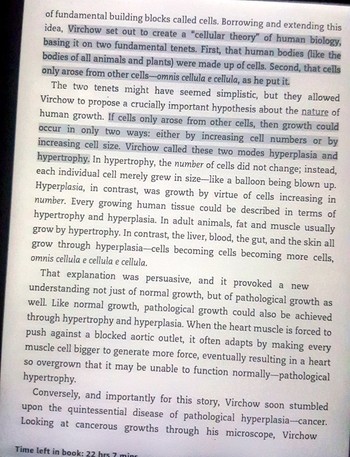
Hyperplasia, Hypertrophy
#Neoplasia - hyperplasia in its extreme form
 Enter504 Periódico Digital
 Helen Fernanda
 T. Reid Lewis
 Emilio Alessio Loiacono
 Sam
Sam