 TKHUNT
https://www.tkhunt.com/2410025/ 最近、ほっとしてますか?|小島瑠璃子と巡る、お茶の非日常体験 #greentea #japan #JapaneseLife #Japanesetea #MATCHA #meditation #OTCHYA #TEA #VERT #ZEN #かんたんなゆめ #九九九 #小島瑠璃子 #抹茶 #煎茶 #茶

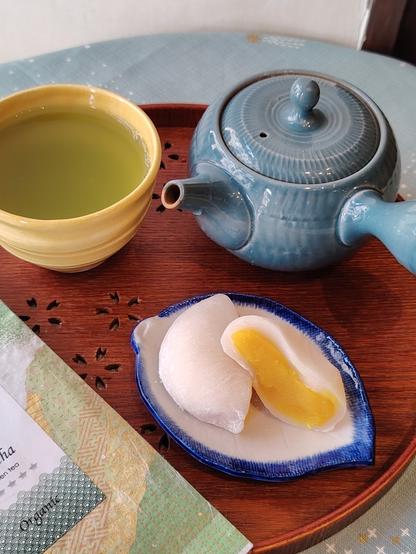
Today in our #tea room, we’re talking about #zairai teas - teas made from the leaves of wild, native plants, often ancient and with a uniquely rich aromatic profile.
But what exactly are zairai?
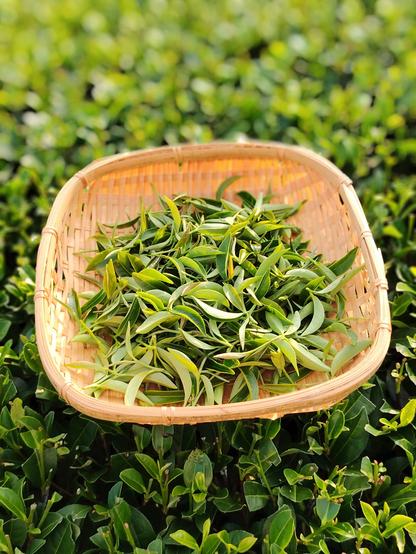
Literally meaning 'from existing plants,' the term zairai (在来) refers to #Japan’s original, indigenous tea plants, predating modern cultivar identification and propagation methods. These are tea plants grown from seeds of ancestral tea plants, some dating back a thousand years.
1/4

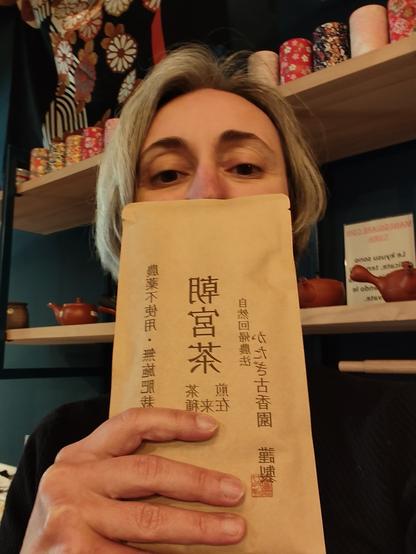
This is us, happily holding one of the sencha we're going to taste this Saturday, during a tea tasting focused on zairai, the wild plants of Japan. They are unique, locals and extremely rare
Would you like to know more about them?
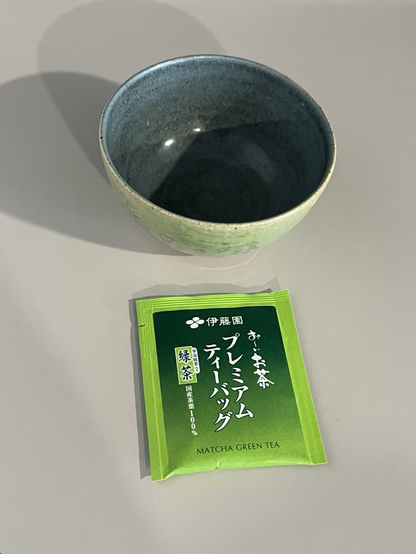
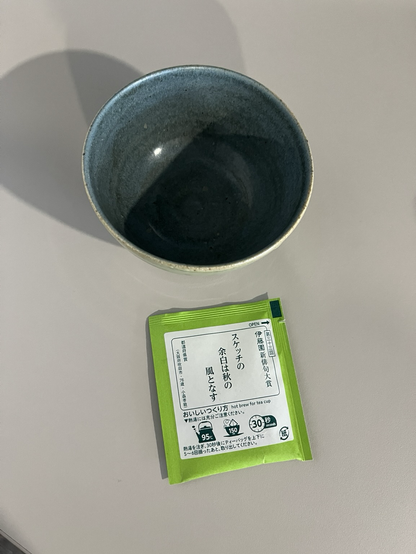
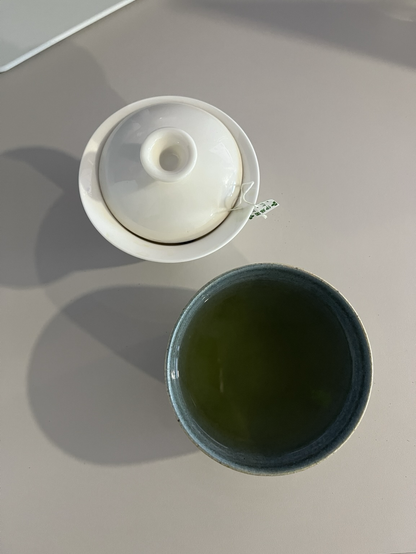
Trying out this matcha in tea bag. A little gift from my significant other that brightens day at the office.
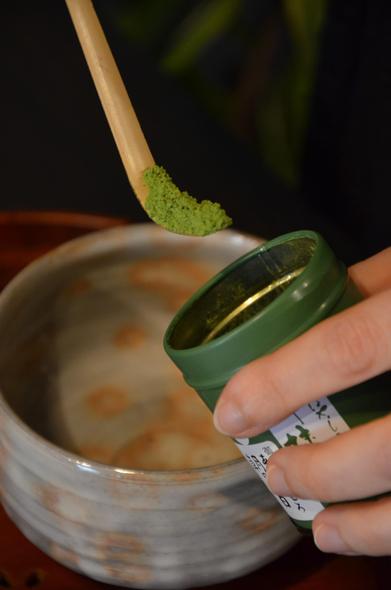
Today at #Ikiya, we’re hosting a special workshop dedicated to #matcha, where Antonella explains history, production, and preparation of the most famous Japanese #tea.
But do you know what matcha really is? It’s powdered green tea used in the #Japanese tea ceremony. Matcha spread in the 16th century, but it was the great Master Sen no Rikyu who codified a new way to drink tea and savor a unique, irreplaceable moment: the #Chanoyu.
1/3
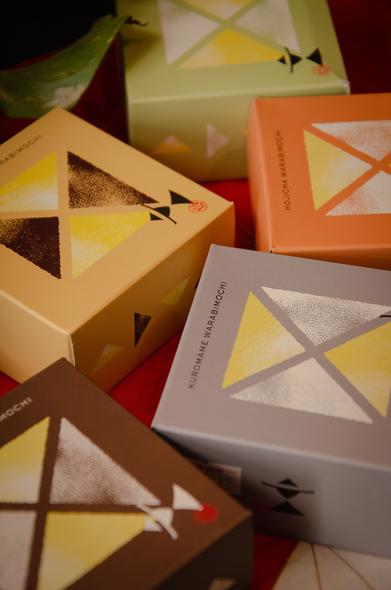
Today we’re telling you about a lesser-known yet truly traditional #Japanese dessert: warabi mochi.
Unlike many more familiar #wagashi , they stand out for their unique texture—soft, delicate, and almost jelly-like—made from a plant-based starch similar to agar. They are then coated in kinako, a roasted soybean flour with a warm, slightly nutty flavor.
Their sweetness is subtle, designed to accompany tea without overpowering it.
1/2
Oversteeping can bring out unwanted bitter notes.
Fun fact: we often confuse astringency with bitterness. Bitterness lingers in your mouth after drinking, while astringency fades quickly.
Pay attention next time you sip green tea!
#JapaneseTea #Bancha #TeaCulture #Ikiya
3/3
 Ikiya - Japan in Treviso
 TAO
TAO
 Tomato Soul