Ikiya - Japan in Treviso

114 Followers
34 Following
103 Posts

We are a small #Japanese shop located in Treviso, near Venice, and we focus on bringing to Italy a selection of Japanese teas (such as #matcha), ingredients for your recipes, #kimono and #haori, handmade pottery and much more.

On our Mastodon account we want to share Japanese culture, history and curiosities of our products, and news about our shop in #Italy.

We ship to all EU countries!

#JapaneseTea | #JapaneseFood | #JapaneseCulture | #Japan

E-commercehttps://www.ikiya.it/
Our shophttps://www.ikiya.it/il-negozio/
We're not offline, we're just focusing on updating our website and it takes a lot of time and effort. Hopefully we should be able to post some pictures from #Japan soon!

3️⃣ Rausu kombu (premium, 23-step process): Produces a rich, aromatic, and deeply umami dashi. Ideal for noodle soups and nimono.
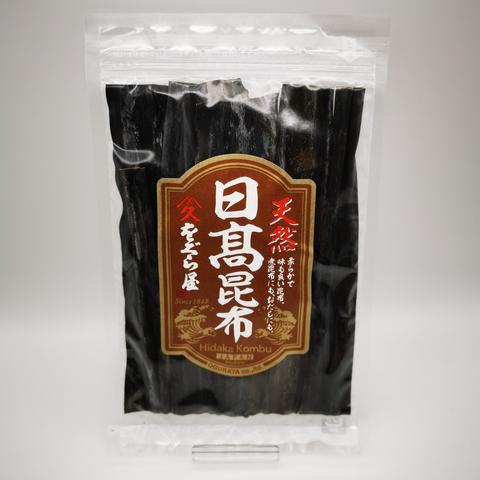
4️⃣ Hidaka kombu (7-8m ribbon-like): Soft and quick to cook. Versatile: perfect for dashi, oden (a comforting winter hot pot with fish cakes, daikon, and eggs), kombu maki (seaweed rolls), and tsukudani (seaweed or vegetables simmered in soy sauce, mirin, and sugar).

4 / 5

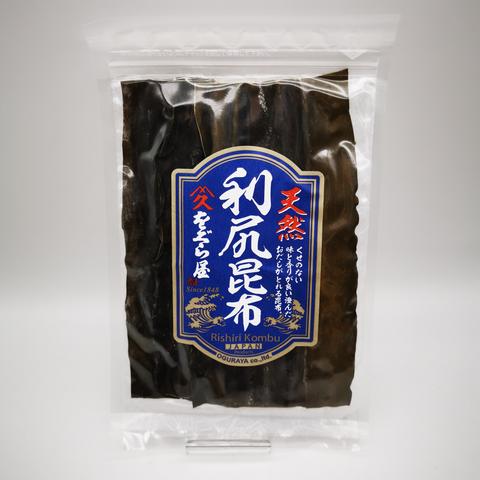
2️⃣ Rishiri kombu (Rishiri Island, northern Hokkaido): firmer and more compact. Loved by chefs for its clear, delicate, and elegant dashi that doesn’t overpower flavors. Perfect for kaiseki, Japan’s high cuisine, a multi-course meal that emphasizes seasonality, balance, and artistic presentation. Each dish in kaiseki is a work of art!

3 / 5

Each kombu type brings its own magic to Japanese cooking.
Which one have you tried? Or which dish would you love to make with them?
Share your thoughts!

5 / 5

1️⃣ Ma kombu (Hakodate, southern Hokkaido): the most produced in Japan. Thick and wide, it creates a clear, umami-rich dashi with a hint of natural sweetness. Ideal for noodle soups and nimono (simmered dishes where ingredients like vegetables, fish, or tofu are gently cooked in dashi until tender and flavorful).

2 / 5

Did you know not all #kombu are the same?
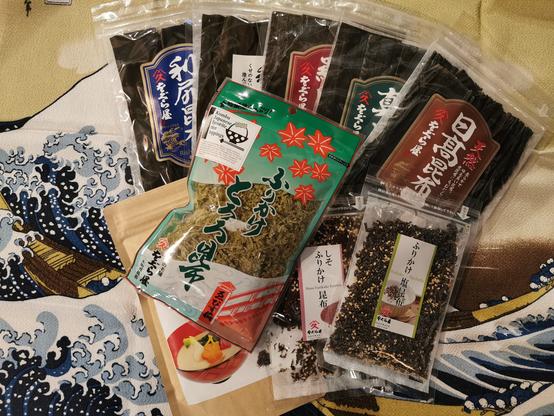
Kombu are #Japanese seaweeds essential for making dashi, the base broth of #Japanese cuisine. At Ikiya, we only offer natural, wild kombu directly from #Hokkaido. Each type has unique characteristics and ideal uses. Let’s explore the differences, and some key Japanese culinary terms!

#JapaneseIngredients #Food #JapaneseCuisine #Dashi #Ikiya #Kaiseki #TraditionalFood

1 / 5

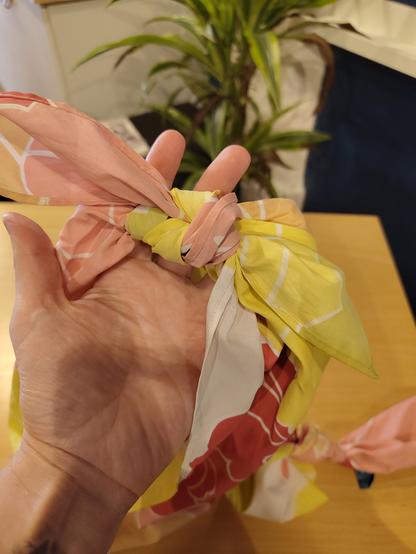
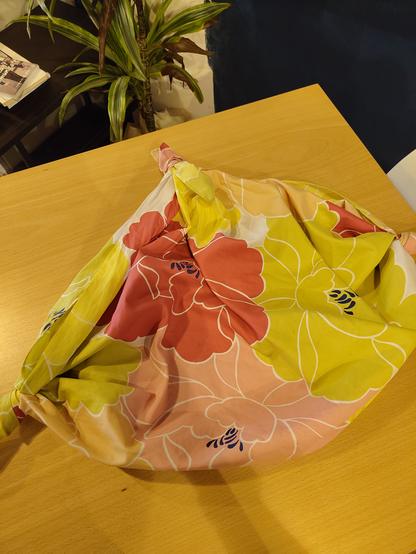
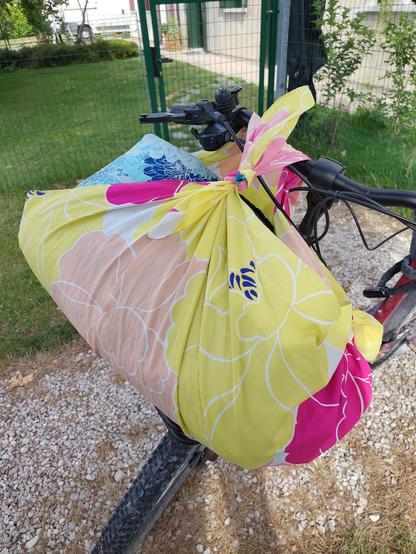
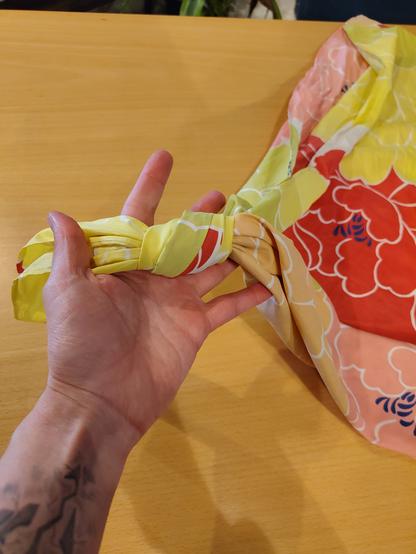
At the top corner of the triangle, tie a flat knot (this will be your handle).
And there you have it: a versatile #shopper to carry any item with ease!

2/2

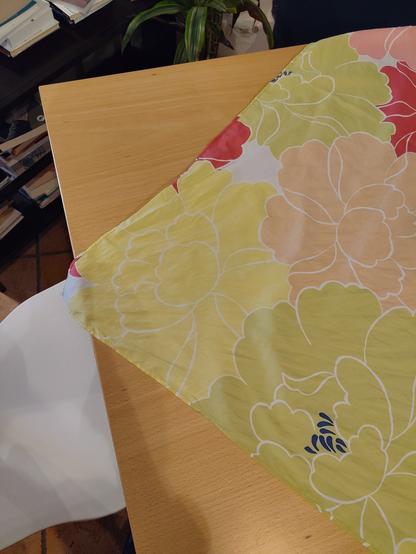
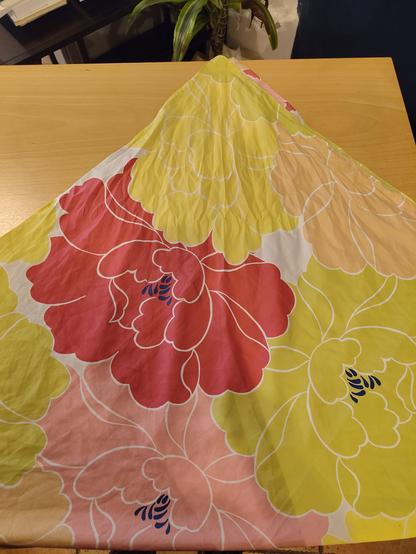
Today there are no events at our Treviso shop, but we still want to share a creative way to use 100 x 100 cm #Furoshiki: carrying your comforter to the dry cleaner.
If you want to try it, it’s very simple: take a furoshiki and place it in a diamond shape in front of you. Fold it into a triangle. At the two bottom corners, tie a single knot (this closes the furoshiki to prevent items inside from slipping out).

#JapaneseCrafts #SustainableLiving #ecofriendly
1/2

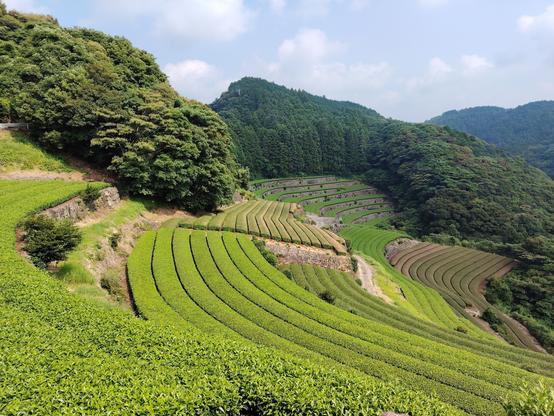
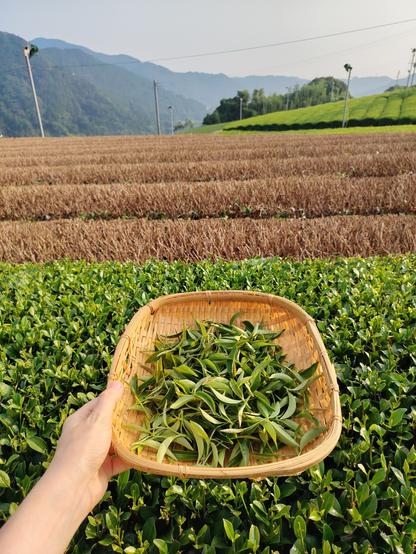
In just over 10 days, Antonella will depart for #Japan to guide six of our travelers on a journey to discover the history of Japanese #tea, exploring Shizuoka, Uji, and Kyushu. Our trips are our pride and joy: carefully crafted itineraries for small groups, where we take you to experience the traditional Japan, far from mass tourism.
In June, Japan dresses in blue: hydrangeas (ajisai) bloom in all their splendor, wrapping temples, gardens, and hills in an enchanted atmosphere.

1/2

It’s also the season when farmers harvest and process tea leaves, making this the perfect time to immerse yourself in the purest Japanese tea tradition.
We can’t wait to share the beauty of June in Japan with you!

[All these pictures were taken by Antonella in 2025: you can see why she can't wait to go to Japan again!]

2/2