#KnowledgeBit: The '#Goldilocks #Zone,' or #Habitable zone, is the range of distance with the right temperatures for water to remain liquid.
Discoveries in the Goldilocks Zone, like Earth-size planet Kepler-186f, are what scientists hope will lead us to water and one day life.
https://knowledgezone.co.in/kbits/6452800ad6892e5843dac12d
JWST Hunts for an 'Earth-Moon' Twin in a Habitable Zone, But the Star Has Other Plans
https://atlas.whatip.xyz/post.php?slug=jwst-hunts-for-an-earth-moon-twin-in-a-habitable-zone-but-the-star-has-other-plans<p>The Moon has played a huge role in the development of Earth
#habitable #earth #hunts #moonJWST Hunts for an 'Earth-Moon' Twin in a Habitable Zone, But the Star Has Other Plans
The Moon has played a huge role in the development of Earth. It stabilizes the planet, tempered dramatic climate swings, and possibly even provided the tidal heating that might have led to the first l...
Stellar Flares May Expand Habitable Zones Around Small Stars
https://atlas.whatip.xyz/post.php?slug=stellar-flares-may-expand-habitable-zones-around-small-stars<p>The search for life beyond Earth has traditionally focused on exoplanets orbiting Sun-like stars
#habitable #stellar #flares #expandStellar Flares May Expand Habitable Zones Around Small Stars
The search for life beyond Earth has traditionally focused on exoplanets orbiting Sun-like stars, which is a G-type star. However, low-mass stars, which are designated as K-type and M-type stars, have...
This giant telescope could discover habitable exoplanets and secrets of our universe — if it gets its funding
https://atlas.whatip.xyz/post.php?slug=this-giant-telescope-could-discover-habitable-exoplanets-and-secrets-of-our-universe-if-it-gets-its-funding<p>Things are gearing up in the development of the Giant Magellan Telescope in Chile
#exoplanets #telescope #habitable #discover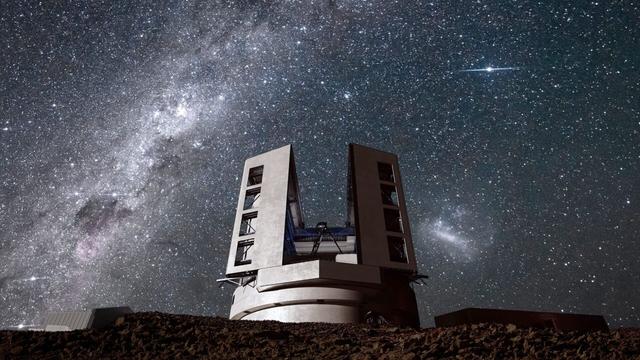
This giant telescope could discover habitable exoplanets and secrets of our universe — if it gets its funding
Things are gearing up in the development of the Giant Magellan Telescope in Chile, as its developers enter the final design phase before the project goes before Congress for funding.
#Habitable #Exoplanets are worlds orbiting distant stars at a distance where liquid water can persist on the surface.
Scientists analyze their atmospheric composition and proximity to "Goldilocks Zones" to identify candidates capable of supporting alien life.
https://knowledgezone.co.in/posts/Habitable-Planets--Exoplanets-5a8bad5f4cbd612a7c16856f

Is the brand new city in California for real?
Jan Sramek joins me to discuss the controversy, funding, and master plan behind the massive California Forever project.
https://www.volts.wtf/p/is-the-brand-new-city-in-california
Building brand new #cities in #habitable parts of the #world (e.g. higher northern latitudes) can create #living space for #climate #refugees This is what I explore in "A New Faith" - the #city of Sequoia is built from scratch in the Arctic Circle in Scandinavia solely for climate refugees. It is dense and has no personal vehicles at all.
https://tinjar.ghost.io/a-new-faith
#bookstodon #books #book #climatefiction #hopepunk #solarpunk
Is the brand new city in California for real?
Jan Sramek joins me to discuss the controversy, funding, and master plan behind the massive California Forever project.
Presentamos la 'Zona Habitable Interplanetaria'. (Eng)
Presentamos la 'Zona Habitable Interplanetaria'. (Eng) #presentamos #la #'zona #habitable #interplanetaria' #Ciencia
https://tardigram.com/m/Ciencia/t/20366
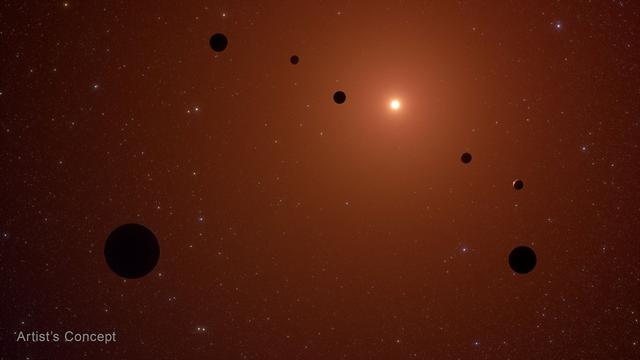
Presentamos la 'Zona Habitable Interplanetaria'. (Eng) - Ciencia - Tardigram
Cualquiera que esté familiarizado con la búsqueda de vida extraterrestre habrá oído hablar de la "Zona Ricitos de Oro" alrededor de una estrella. Esta se define como la banda orbital donde la temperatura es la adecuada para que el agua líquida se acumule en la superficie de un planeta rocoso; una buena aproximación a lo...
#SGU #TheSkepticsGuideToTheUniverse
The Skeptics Guide #1073 - Jan 31 2026
News Items: #Artemis Getting Ready for #Launch, New #Extinct Branch of #Life, Why We Need #Wikipedia, Ideological #Bias in #Research, Expanding the #Habitable Zone; Who's That #Noisy; Your Questions and E-mails: #Kesterite Solar Panels; From #TikTok: Coincidence?; #Science or Fiction
Webseite der Episode: https://www.theskepticsguide.org/podcast/sgu
Mediendatei: https://traffic.libsyn.com/secure/skepticsguide/skepticast2026-01-31.mp3

The Skeptics Guide to the Universe
 Knowledge Zone
 K U L T ™
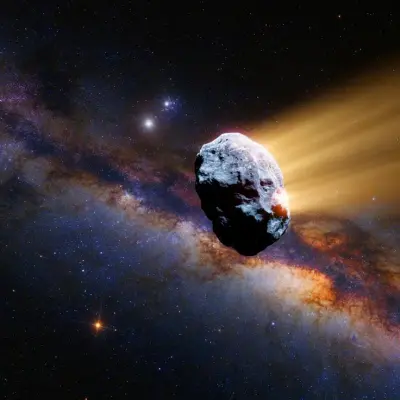 3i/Atlas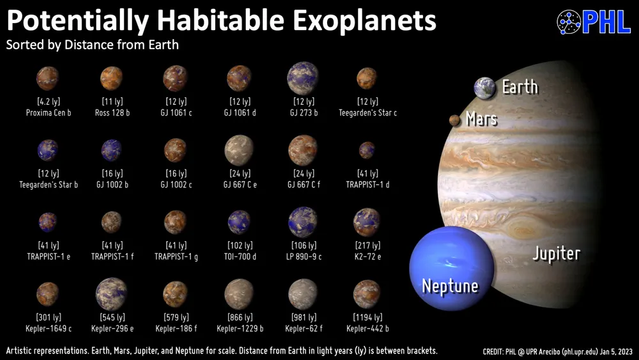
 TinJar
 TinJar
 onainigo
 Norbert_R 🦣
 🐘
🐘