Acceptance of entomophagy among Canadians at an insectarium - Scientific Reports

As global food systems face mounting sustainability pressures, insects are gaining attention as a promising alternative protein source. Yet, entomophagy remains culturally unfamiliar or stigmatized in many Western countries, including Canada. This study investigates attitudes toward insect consumption among 252 adult visitors to the Montreal Insectarium, a public institution promoting insect education and biodiversity awareness. Participants completed a structured questionnaire evaluating willingness to consume various insect-based foods, motivations and barriers, and demographic predictors of acceptance. Overall, 44% of participants reported openness to eating insects (18% had previously consumed them and 26% were willing to try), though fewer were willing to include them in their regular diet (27%) or prepare them at home (17%). Acceptance was highest for products where insect content was less visible, such as baked goods made with insect flour. Key motivators included curiosity, perceived health benefits, and environmental concern, while major deterrents were disgust, food safety concerns, and insect-related fears. Ordinal logistic regression analyses revealed consistent gender effects, with men significantly more willing than women to consume a variety of insect-based foods. Men also showed greater prior experience with insect consumption and were more likely to include insects in their diets or try them in restaurants. Age alone was not a consistent predictor, but significant interactions with gender revealed a complex interplay between these predictors. Moreover, participants with graduate degrees showed greater openness to experimenting with insect-based ingredients when cooking, and prior insect consumption increased with education among women. Overall, our results show that demographic differences (especially gender and education) shape openness to entomophagy more strongly than age alone, suggesting that targeted outreach could be a better strategy than generalized promotion in encouraging insect-based food adoption.

Nature
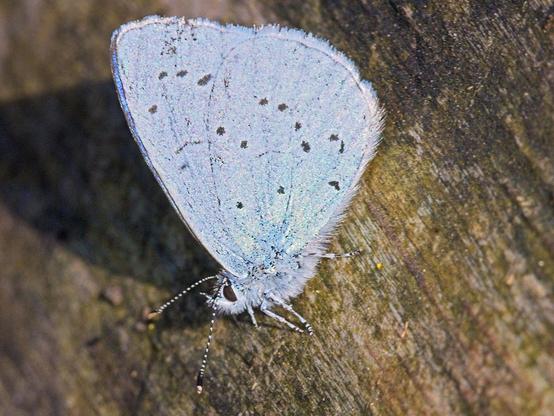
Belgium, Wemmel : Beverbos, Hill Hedge Blue ( Lepidoptera, Lycanidae : Celastrina argiolus ) #belgium #wemmel #butterfly #lycaenidae #hillhedgeblue #hollyblue #entomophagy #macrophotography #naturephotography

“Every few years when Udonga montana, a bamboo-feeding stink bug, erupts in massive swarms, the people of the Mizo community in northern India don’t reach for pesticides. Instead, they look for baskets.

Locally, this small brown stink bug is called thangnang. Outsiders see them as an infestation but in the bamboo forests of Mizoram state this small brown bug has long been woven into the food culture.”

https://www.theguardian.com/environment/2025/nov/21/turning-stink-bug-infestations-into-lunch-india-the-alternatives

#entomophagy

‘We’ve been eating it for more than 100 years’: how one community turns stink bug infestations into lunch

In India’s Mizoram state, people have an intricate system of harvesting and consuming the pungent and nutritious bugs

The Guardian

Casu marsu, the cheese with worms in the Sardinian tradition

– insects at the table have jumped to the news, thanks to new regulation on novel food. (1) But precisely in Italy – where the Ministry of Health has hired a prudential position towards ‘new foods’ – …
#dining #cooking #diet #food #Italiandiet #entomophagy #Insects #Italia #Italian #ItalianDiet #italiano #italy #larvae #novelfood #Pat
https://www.diningandcooking.com/2379166/casu-marsu-the-cheese-with-worms-in-the-sardinian-tradition/

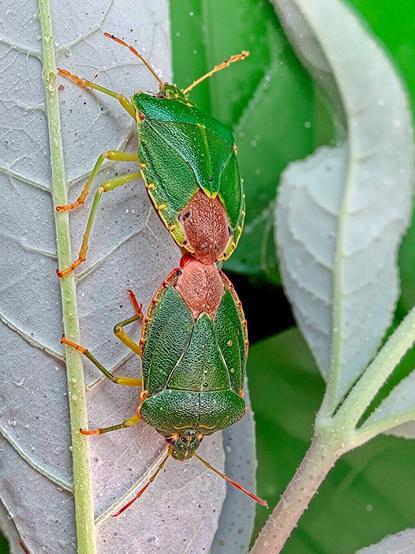
Belgium, Wemmel : Green Shieldbug (Hemiptera , Palomena prasina ) #belgium #wemmel #bugs #insect #entomophagy #macrophotography
Why do animals keep evolving into anteaters?

Even if we don’t evolve long sticky tongues and live off a diet of ants, we can still learn a lot from these remarkable creatures, says science writer Helen Pilcher

The Guardian

Adding to my #entomology library - "Edible Insects - A roadmap for the strategic growth
of an emerging Australian industry", from CSIRO (AUS national science agency)...lots of interesting info, including costs-of-production for various sources of protein and the history of #entomophagy among indigenous peoples.

https://research.csiro.au/edibleinsects/wp-content/uploads/sites/347/2021/04/CSIRO-Edible-Insect-Roadmap.pdf

Speaking of eating insects, I recently found this fascinating article about eating flying ants - chicatanas - in Mexico.

A long practised tradition, and something people really look forward to!

https://latinamericanpost.com/life/mexicos-gourmet-ant-trend-sparks-global-culinary-fascination/

#entomophagy #Mexico #indigenous

Mexico's Gourmet Ant Trend Sparks Global Culinary Fascination

The chicatana ant, a centuries-old delicacy in southeastern Mexico, has become a prized ingredient in gourmet cuisine. This tiny insect has a high protein content and a unique flavor. It is having a big impact on science and food.

LatinAmerican Post

"Recent efforts to encourage people to eat insects are doomed to fail because of widespread public disgust at the idea, making it unlikely insects will help people switch from the environmentally ruinous habit of meat consumption, a new study has found."

https://www.theguardian.com/environment/2025/jun/25/eating-insects-meat-planet

#entomophagy

‘Yuck factor’: eating insects rather than meat to help the planet is failing, study finds

People are disgusted by the idea of eating bugs despite their lighter planetary cost compared to traditional livestock

The Guardian

"Opposing insect-eating has become a symbolic way to protest EU environmental policies, express scepticism of and hostility toward Brussels, and villainize political opponents. Closer inspection reveals that the conspiracy theory underlying such opposition has much older and more sinister resonances."

#entomophagy

https://theconversation.com/i-will-not-eat-the-bugs-examining-a-right-wing-narrative-about-scarcity-and-insect-consumption-254112

‘I will not eat the bugs’: examining a right-wing narrative about scarcity and insect consumption

False claims that leaders in Europe want to force people to eat insects are meant to provoke fear.

The Conversation